
The Room Usually Decides Which Split System You Need
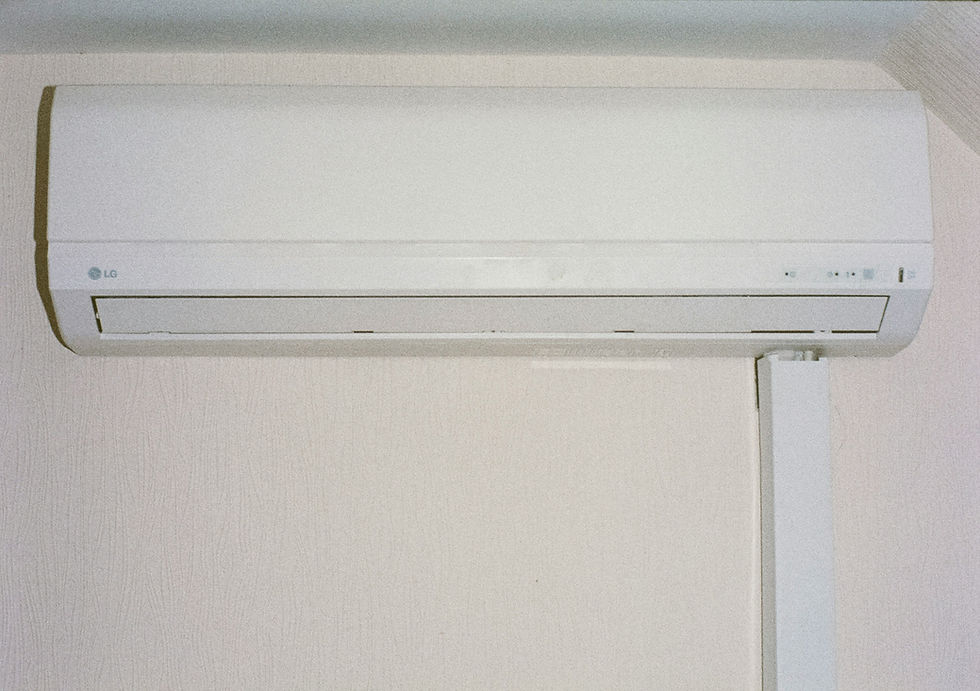
An air conditioner can be powerful enough to cool a room and still be the wrong choice for it. A unit that is too small may run constantly on a hot afternoon without ever making the room properly comfortable. One that is much larger than the space requires can also be a poor fit, particularly when the rest of the house has different heating and cooling needs.
That is why split system installation in Geelong should start with the room rather than the air conditioner catalogue.
The size and shape of the space matter. So do insulation, windows, sunlight, how the room is used and whether heating is needed in winter. All of those influence the system that makes sense. The brand comes later.
What changes the load on a room?
Room factor | Why it matters |
Floor area | Gives an initial indication of the space being conditioned |
Ceiling height | More air volume can mean a greater heating or cooling load |
Windows | Large areas of glass can increase heat entering the room |
Solar exposure | Afternoon sun can add a substantial cooling load |
Insulation | Better insulation can reduce heat entering or leaving the room |
Doors and openings | Open areas can make a single room harder to condition |
Occupancy | People add heat, particularly in smaller rooms |
Room use | Kitchens, living rooms and bedrooms have different patterns |
That is why two rooms with identical floor areas can need different equipment.
The outdoor unit is part of the decision
A split system has two main parts. There is the indoor unit that distributes conditioned air into the room. Outside sits the compressor and condenser assembly. Refrigerant pipework connects the two sections. The indoor unit needs a position where air can circulate properly.
The outdoor unit needs something different. It needs adequate airflow and a location that allows heat to be rejected during cooling. It is better considering both indoor and outdoor positioning, including airflow around the external unit and protection from strong afternoon sun where practical. That can rule out some seemingly convenient locations.
A narrow side passage may have enough room for the equipment but not enough clearance around it. A sunny wall may be easy to access but expose the outdoor unit to harsh afternoon conditions. A position close to a bedroom window might also make operating noise more noticeable.
None of this is particularly glamorous. It matters once the installer leaves.
Heating capacity matters too
A split system is not necessarily just a summer appliance. Reverse cycle models can provide heating as well as cooling by moving heat in the opposite direction. The guidance describes reverse cycle air conditioning as a system that can transfer heat into the home for heating and out of the home for cooling. That changes how the purchase should be considered.
Someone replacing an old heater and split system installation in Geelong may be interested in both heating capacity and cooling capacity. Looking at the cooling number alone leaves half the system out of the comparison.
The two figures also appear on the Zoned Energy Rating Label for applicable air conditioners, alongside information about energy use and performance across different Australian climate zones.
That is useful because efficiency is not simply a number attached to the machine. It depends on the climate in which the machine operates.
The energy label deserves more than a quick glance
The Zoned Energy Rating Label is particularly useful when comparing similar split systems.
It provides information about performance in hot, average and cold Australian climate zones, along with heating and cooling capacity, estimated annual energy use and indoor and outdoor noise.
The star rating can help compare models, but there is a catch. The system still needs to be the right size for the room.
A highly rated air conditioner that is badly matched to the space does not suddenly become an efficient installation. The Energy Rating website makes the same point by noting that efficiency comparisons are meaningful when the appliances are of the same type and size.
Capacity first. Then efficiency. That order saves a surprising amount of confusion.
Maintenance starts after installation
Filters are easy to forget because nothing looks wrong when they become dirty. Dust builds up gradually. Airflow becomes restricted. The system has to work harder.
That does not mean every household needs to arrange a major service constantly. Basic cleaning is part of normal ownership.
Professional servicing is different. It gives a technician a chance to inspect the system and identify problems that are not obvious from the living room.
The distinction matters. Air conditioning faults can affect both performance and energy use. Bench testing has shown that common faults such as blocked components and refrigerant problems can increase energy consumption. A split system spends most of its life quietly doing its job in the background.


