
The Steel Delivery Nobody Thinks About Until It Is Late
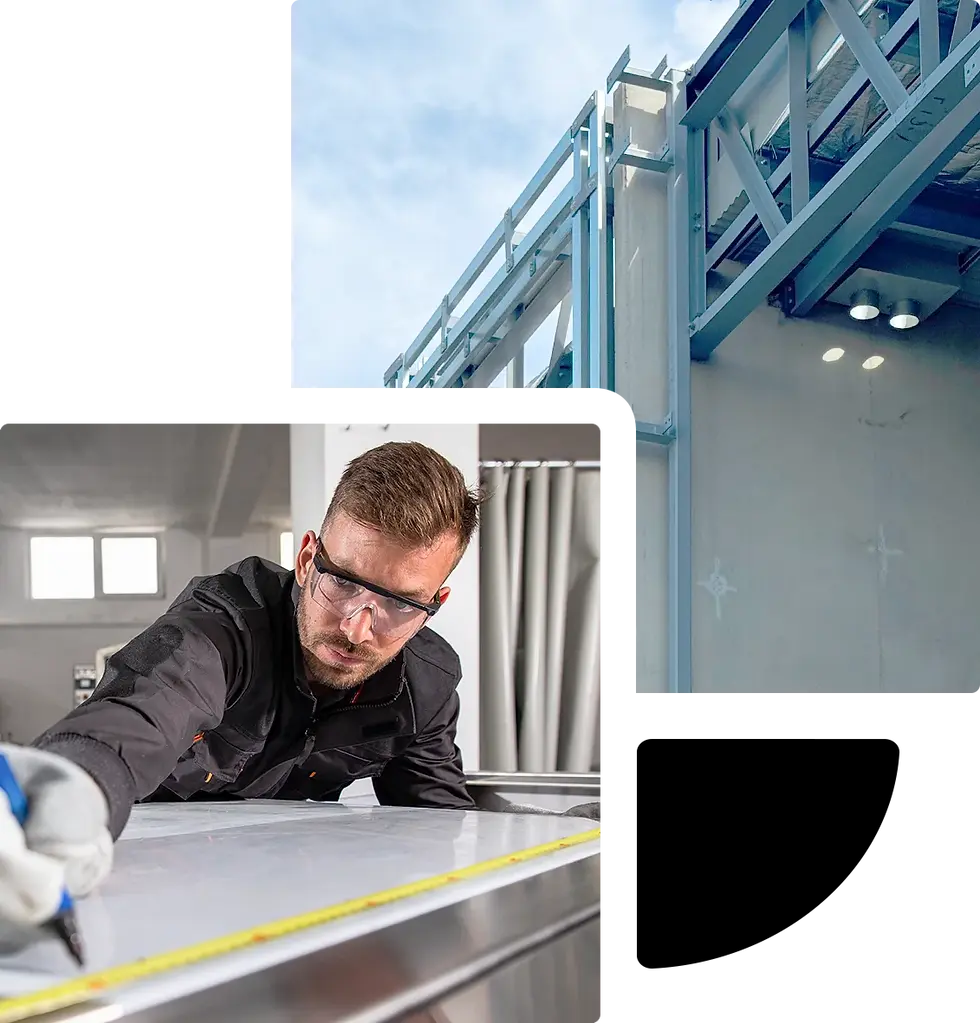
On a cold Tuesday morning, the steel had not arrived. The foreman stood at the edge of a half-built warehouse in Dandenong, looking at the empty stretch of concrete where the next batch was supposed to be sitting. “Truck stuck?” “Apparently.” He checked his phone again. Then the drawings. Then the phone.
It was only a delivery, technically. But anyone who has spent time around construction knows that a late delivery has a way of becoming five other problems by lunchtime.
This is where structural steel suppliers become more important than they first appear. The job is not simply moving beams from one place to another. The grade has to be right. The quantities have to match. Documentation has to travel with the material, and the delivery needs to arrive when the people waiting for it can actually use it.
The Order Begins Long Before the Truck
A steel order can look simple on paper. A few sections. Some plates. Maybe columns and beams. Then the questions start. “What grade?” “What lengths?” “Galvanised?” “What are the fabrication requirements?” “And when do you need it?”
Those questions aren't paperwork for the sake of paperwork. A wrong assumption early in the process can create a much bigger headache once fabrication has started.
Good structural steel suppliers tend to ask questions before confirming an order because they understand what happens further down the chain. The steel may be cut, drilled, welded, coated, transported and lifted into position. Changing one detail halfway through can affect several people.
Daniel Mercer, Procurement and Supply Chain Manager at a Australian structural steel contractor, puts it plainly: “The cheapest steel order can become an expensive decision if the grade, documentation or delivery sequence doesn't match what the fabricator and engineer actually specified.” That is probably one of the least glamorous lessons in construction. Accuracy saves money.
Steel Is Not Just Steel
Walk through a fabrication yard and the difference becomes obvious. Different sections are stacked separately. Plates sit in their own areas. Markings matter. Measurements matter. Someone is checking paperwork while another person is working from drawings.
AS 4100:2020 is a key Australian standard for steel structures and is referenced by the National Construction Code. For the people supplying material, that means the order needs to connect properly with the engineering requirements of the project. It isn't enough to say, “We need some beams.” The supplier needs the right information to provide material that fits the specification.
That is also why traceability and documentation are worth discussing early. A project may require evidence about the steel supplied, particularly where engineering, fabrication and compliance requirements are involved.
For structural steel suppliers, this part of the work happens mostly out of sight. The finished building doesn't show you the conversations that prevented the wrong material from being ordered.
Then There Is the Fabrication Yard
The steel arrives at the fabricator's yard, and the quiet administrative work continues. Measurements are checked. Pieces are identified. Cutting lists are reviewed. Welding requirements are considered.
AS/NZS 5131:2016 covers structural steelwork fabrication and erection, including areas such as welding, bolting, surface preparation, corrosion protection and erection. That matters because supply is only one part of the chain.
A beam that arrives late can hold up fabrication. A piece that arrives incorrectly identified can stop a worker from progressing. Steel that needs additional treatment can create another scheduling problem.
The Australian structural steel fabrication sector is sizeable, with more than 20,000 workers represented across more than 350 Australian Steel Institute fabricator members. That scale gives some sense of how many people and processes sit behind what looks like a straightforward delivery.
Construction has a habit of hiding its complexity. A building frame going up smoothly can make the whole thing look easy. It isn't.
The Numbers Behind the Yard
There is also an environmental story sitting quietly among all that steel. More than 95% of structural steel in Australia is recovered and reused or recycled, according to the Australian Steel Institute. That makes steel an interesting material in conversations about construction waste and resource recovery.
Australia also produces more than five million tonnes of steel each year, according to Standards Australia. Those figures don't mean every project is automatically sustainable. Transport, fabrication, coatings, energy use and waste still matter.
But they do show why material choices and procurement decisions have a wider footprint than the immediate construction schedule. For Steel Staircase Manufacturers, the practical question is often less about making grand sustainability claims and more about avoiding unnecessary waste. Accurate quantities help. Proper storage helps. Planning deliveries properly helps too. It sounds ordinary. Most useful environmental improvements do.
The Delivery Nobody Notices
Back at the warehouse, the truck finally arrived just after eleven. The foreman walked over while the driver climbed down. “Everything on?” “Should be.” He checked the paperwork. Then the labels. Then the drawings. It took a few minutes longer than anyone wanted. But nothing was wrong.
That is often the strange measure of good structural steel suppliers. When everything is correct, nobody talks about it. The steel arrives, the fabricators know what they have, the crane schedule stays intact and the next part of the project begins.
The National Construction Code 2025 also makes the current regulatory environment something project teams need to keep an eye on, particularly because adoption and transition arrangements can vary between Australian states and territories. For structural steel suppliers, staying close to those requirements is part of being useful to the people ordering the material.
The cheapest quote can look attractive on a spreadsheet. Until the wrong grade arrives. Until a bdelivery misses the crane booking. Until somebody discovers that the paperwork isn't there. Then the price looks different. The foreman watched the first beam being lifted into position.
“See?” the apprentice said. “Easy.” The foreman smiled.
“Only looks that way.”
And that is probably the best description of Structural Steel Suppliers at their best. The work is largely invisible when it has been done properly. The building simply keeps moving.
Sometimes, that is exactly what good construction work should feel like.


