
The West End Dining Blueprint: Choosing the Best Restaurants Pre Theatre
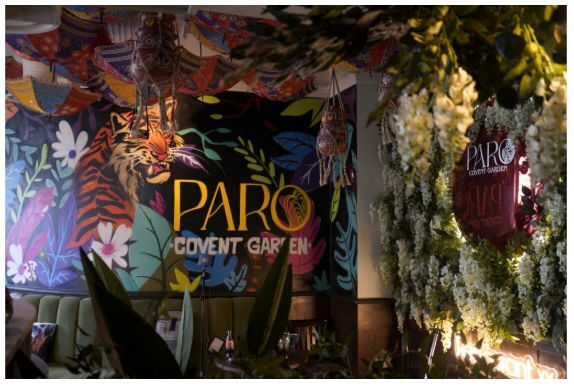
A night in London’s West End remains one of the world's quintessential cultural experiences. Between the illuminated marquees of Shaftesbury Avenue, the historic streets of Covent Garden, and the quiet courtyards off Aldwych, the district pulses with theatrical energy. Yet, attending a live production introduces an unavoidable logistical challenge: the evening dining timeline. For ticket holders heading into Theatreland, selecting dependable Restaurants Pre Theatre requires balancing culinary ambition with the unyielding reality of the evening curtain call.
Unlike an ordinary dinner where guests can linger over dessert, dining before a performance operates within an inflexible schedule. A minor kitchen delay can transform a relaxed dinner into a panicked sprint across crowded pavements. Achieving an effortless evening requires understanding pre-curtain logistics, what makes a menu practically suited to a tight schedule, and why single-platter dining traditions are transforming the West End dining ritual.
The Logistics of the Curtain Call: Why Timing Dictates the Table
Most West End evening performances commence promptly at 19:30, while matinees raise the curtain at 14:30. Box offices advise patrons to enter the auditorium at least twenty to thirty minutes before the performance begins to accommodate ticket scanning, security checks, and cloakrooms. Because historic auditoriums feature narrow aisles and compact seating, latecomers are rarely admitted during the first act. Anyone arriving after the house lights dim is frequently held outside until the interval.
Consequently, the standard dining window before a 19:30 show is tightly bounded:
17:15 to 17:30 Arrival: Seating early provides a comfortable dining window.
17:45 – Orders Placed: Ordering before the peak rush ensures kitchen priority.
18:45 Settling the Bill: Requesting payment early avoids departure delays.
19:00 Walking to the Auditorium: A short stroll eliminates transit anxiety.
19:15 Seated in the House: Safely through ticket checks, ready for the opening scene.
When evaluating Restaurants Pre Theatre, the greatest logistical hurdle is almost always the interval between courses. Even a polished front-of-house team can struggle when dozens of tables order multi-course meals simultaneously, creating unexpected kitchen delays.
The Multi-Course Dilemma: Rethinking the Traditional Set Menu
For decades, the standard response to pre-show dining has been the European-style prix-fixe menu. While convenient in concept, sequential dining—moving through appetisers, mains, and dessert—carries inherent timing risks.
When a kitchen experiences a sudden rush, the gap between courses can stretch unpredictably. Diners frequently find themselves checking watches, gulping down hot food, or abandoning dessert. Furthermore, heavy cream sauces and rich meats can induce drowsiness, leaving patrons fighting fatigue during pivotal dramatic scenes.
Savvy theatregoers increasingly seek dining formats that deliver culinary satisfaction without the pacing hazards of sequential courses. This search for balanced, punctual dining has sparked growing interest in subcontinental culinary traditions, where complete meals are presented simultaneously.
The Thali Advantage: Why Single-Platter Dining Solves the Pre-Theatre Rush
For theatre lovers seeking culinary richness without the sluggishness of a protracted meal, seeking out authentic Indian thali in london has emerged as one of the smartest dining choices.
Rooted in ancient subcontinental heritage, a thali—named after the wide platter on which it is served—is a complete banquet presented all at once. Small constituent dishes, known as katoris, surround a central portion of fragrant basmati rice or warm flatbreads.
Ordering an authentic Indian thali in london completely sidesteps traditional pre-theatre bottlenecks:
Zero Wait Between Courses: Every element arrives together, meaning diners never wait for subsequent courses to be cooked.
Controlled Dining Pace: Guests dictate their own speed, remaining free from kitchen pacing constraints.
Nutritional Balance: Lentils, vegetables, spiced curries, cooling raita, and grains deliver sustained energy without digestive heaviness.
Flavour Variety: Diners enjoy a spectrum of regional flavours, textures, and temperatures in a single sitting.
This efficient structure explains why finding the best thali in london has become a top priority for discerning West End regulars who demand exceptional food without schedule-induced stress.
Anatomy of Excellence: What Distinguishes the Capital's Finest Thalis
Not all platters are created equal. The difference between an ordinary combination plate and the best thali in london lies in regional authenticity and cooking integrity.
Historically grounded in Ayurvedic principles of nutritional balance, an exemplary thali incorporates the six primary tastes (*shad rasa*): sweet, sour, salty, pungent, bitter, and astringent. This harmony stimulates digestion and leaves the diner satisfied rather than uncomfortably full.
Discerning diners evaluating thali offerings should look for distinct quality markers:
Regional Distinction: Exceptional kitchens offer specific regional traditions—such as Gujarati vegetarian platters, Rajasthani spreads, or North Indian selections—rather than generic assortments.
Freshly Baked Breads: Rotis, chapatis, or naans should arrive hot and blistered, prepared fresh to order.
Tempered Lentils (*Tadka*): A quality dal features a fragrant temper of cumin, mustard seeds, garlic, or asafoetida bloomed in ghee.
Vibrant Accompaniments: Crisp pappadums, zesty pickles (*achar*), and fresh mint chutney serve as palate cleansers between richer bites.
When these elements align, the meal becomes an unforgettable prelude to an evening of drama or music.
Beyond Heavy Sauces: Appreciating Lighter, Spice-Layered Regional Cooking
Subcontinental dining in Britain has undergone a profound evolution. Discerning patrons no longer view an indian curry as an indistinct, oil-laden stew drenched in artificial colouring. Instead, high-calibre central London kitchens champion regional authenticity, highlighting the nuanced spice profiles of coastal, northern, and southern traditions.
A masterfully crafted indian curry achieves depth through the slow caramelisation of onions, the gentle blooming of whole spices, and the careful balancing of fresh ginger, garlic, and coriander. Modern preparations emphasise digestibility and refined seasoning, moving away from heavy fats towards lighter reductions and aromatic infusions.
Furthermore, pairing a delicately spiced indian curry with steamed basmati rice or wholemeal rotis provides wholesome sustenance that keeps audiences alert and engaged throughout a lengthy theatrical production.
Navigating the Russell Street Quarter: Dining Near the Fortune Theatre
While the West End encompasses several theatre corridors, the intimate pocket around Russell Street and Catherine Street holds a special place in London’s theatrical heritage. Tucked behind Covent Garden Piazza, this quarter is home to the historic Fortune Theatre.
Constructed in 1924, the Fortune Theatre is celebrated for its intimate auditorium and dramatic heritage. Having hosted the ghost play The Woman in Black for over three decades before welcoming the hit musical Operation Mincemeat, the venue attracts audiences who value sharp storytelling.
Because the Fortune Theatre features a compact foyer and steep stalls, finding the best indian restaurants near fortune theatre london offers an unparalleled strategic advantage. Being situated moments from Russell Street eliminates transit stress entirely. Diners can finish their meal at 19:10, knowing they can reach their seats comfortably before curtain call.
When reserving a table at the best indian restaurants near fortune theatre london, informing the host of your ticket time upon arrival ensures swift service from staff accustomed to the 19:30 deadline.
Practical Strategies for a Seamless West End Evening
To ensure your pre-theatre dining outing remains entirely stress-free, adopt these practical habits favoured by regular theatregoers:
Book Well in Advance: Top dining rooms in Covent Garden fill their 17:00 to 18:30 slots weeks ahead, particularly for Thursday, Friday, and Saturday performances.
State Your Curtain Time Explicitly: Always mention your showtime when booking and remind your server immediately upon being seated.
Request the Bill When Mains Arrive: Waiting for a payment terminal during the 19:00 rush can cause unnecessary panic. Settling early allows you to depart whenever you are ready.
Choose Smart Transit Routes: Covent Garden tube station relies on lifts that cause congestion during evening peak hours. Alighting at Leicester Square, Holborn, or Charing Cross and enjoying a short five-minute walk is often significantly quicker.
Final Thoughts
A successful evening at the theatre is shaped by the hours leading up to the performance just as much as the talent on stage. Rushing through an ill-timed meal diminishes the excitement of the occasion. By selecting established Restaurants Pre Theatre that understand the rhythm of Theatreland—and embracing the punctual, nutritionally balanced brilliance of regional thali dining—theatregoers can turn pre-show dining into a memorable highlight of their West End night out.


