
Unlocking Efficiency in Supply Chain Logistics for Grocery Stores and Supermarkets
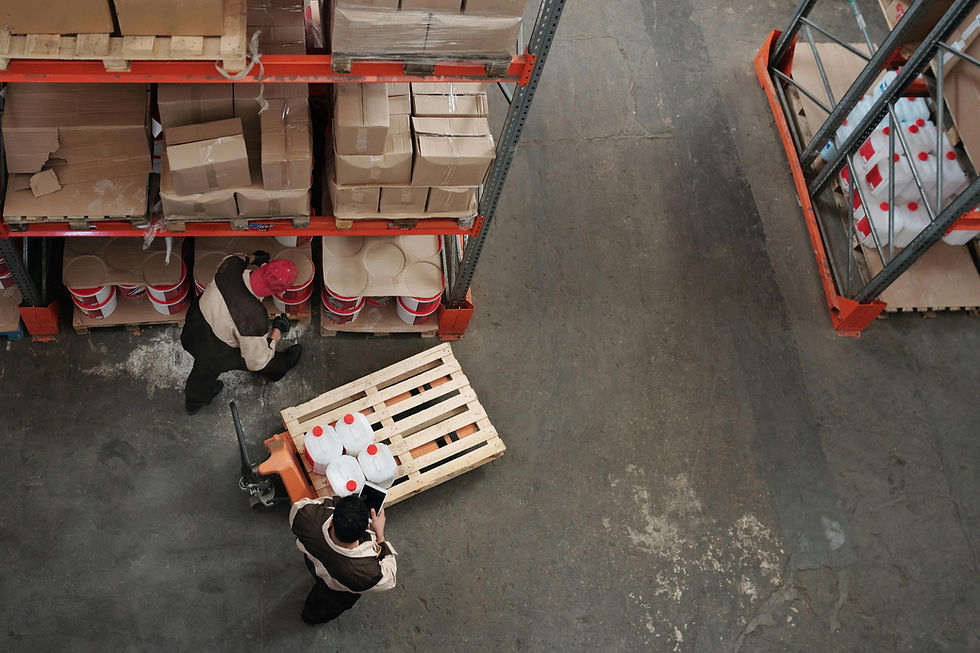
The logistics and distribution processes are crucial to the supply chain, particularly for grocery stores and supermarkets. This article delves into logistics distribution and supply chain management, providing insights into how companies delivering goods in crates in closed loops can optimize their operations. A supply chain is a complex network that relies on various logistical elements, like plastic collapsible crates, to ensure products are efficiently delivered to the shelves. We will explore the key strategies and technologies that can enhance efficiency and drive success in this dynamic industry.
Understanding the Supply Chain in Grocery Stores
The Complexity of Grocery Supply Chains
The grocery supply chain is unlike any other with its unique challenges and intricacies. Every step must be meticulously coordinated to meet customer demands, from procuring fresh produce to ensuring timely deliveries.
The Role of Supermarkets in Supply Chain
Supermarkets act as vital hubs in the supply chain, connecting producers to consumers. Efficient supermarket operations are essential to ensure a seamless flow of goods.
Logistics: The Backbone of Supply Chain
Efficient Transportation
Optimizing transportation methods is crucial for reducing costs and environmental impact. Utilizing advanced routing software and adopting eco-friendly vehicles can make a significant difference.
Inventory Management
Effective inventory management systems help minimize waste and ensure that products are always available when needed. Implementing inventory tracking software is a smart move.
Distribution Strategies for Closed Loops
Closed Loop Distribution Models
Companies delivering goods in crates in closed loops can benefit significantly from closed-loop distribution models. This approach minimizes waste, reduces costs and fosters sustainability.
Automation and Robotics
Embracing automation and robotics in distribution centers can significantly enhance efficiency. Robots can handle repetitive tasks precisely, leaving human workers free to focus on more complex responsibilities.
Leveraging Technology for Success
Data Analytics
Harnessing the power of data analytics can provide valuable insights into supply chain performance. Real-time data allows for better decision-making and can help predict and mitigate disruptions.
Blockchain Technology
Blockchain offers transparency and traceability in the supply chain. It can verify the authenticity of products, which is especially critical in the grocery sector.
Sustainability and Environmental Concerns
Eco-Friendly Packaging
Switching to eco-friendly packaging reduces the environmental footprint and appeals to conscious consumers.
Energy Efficient Practices
Leveraging Partnerships for Success
Collaborative Supply Chain Solutions
Partnering with other companies in the supply chain can lead to more efficient operations. Collaborative transportation and inventory management efforts can reduce costs and improve overall service.
Supplier Relationships
Building solid relationships with suppliers is vital in the grocery industry. Close ties can lead to better pricing, consistent quality and reliable deliveries.
Regulatory Compliance and Safety
Food Safety Standards
Adhering to stringent food safety standards is non-negotiable. Grocery stores must invest in training and technology to ensure the safety of their products.
Compliance with Environmental Regulations
Staying compliant with environmental regulations avoids fines and demonstrates a commitment to sustainability, which can be a marketing advantage.
The Future of Grocery Supply Chain
Autonomous Vehicles
The use of autonomous vehicles for transportation is on the horizon. These vehicles have the potential to reduce costs further and increase efficiency.
Artificial Intelligence
AI-powered algorithms can optimize supply chain decisions in real-time, helping grocery stores anticipate demand fluctuations and minimize disruptions.
Embracing Change
Adaptability is key in the ever-evolving landscape of logistics distribution and supply chain management. Grocery stores and supermarkets that embrace change, stay informed about industry trends, and invest in innovation will be better positioned for long-term success.
The Road Ahead: Navigating Supply Chain Challenges
Supply Chain Disruptions
Like many others, the grocery industry is susceptible to unforeseen disruptions such as natural disasters, global crises, and supply chain bottlenecks. It's essential to have contingency plans to respond to such challenges swiftly.
Digital Transformation
Embracing digital technologies is no longer optional. Investing in e-commerce platforms, online ordering systems and digital marketing can help grocery stores tap into new markets and cater to changing consumer preferences.
Innovations in Customer Experience
Personalization
Using data analytics, grocery stores can personalize the shopping experience for customers. Tailoring product recommendations and discounts based on individual preferences can enhance customer loyalty.
Convenience
Convenience is a top priority for modern consumers. Offering services like home delivery, curbside pickup, and mobile apps for easy ordering can set grocery stores apart from the competition.
Building Brand Loyalty
Sustainable Practices
Consumers increasingly seek out environmentally conscious brands. Grocery stores can earn loyalty by demonstrating a commitment to sustainability through eco-friendly initiatives and responsible sourcing.
Community Engagement
Engaging with the local community through events, charity work and partnerships can create a strong sense of belonging, fostering customer loyalty.
Measuring Success
Key Performance Indicators KPIs
Implementing KPIs specific to supply chain efficiency, such as inventory turnover rates, time delivery percentages and waste reduction metrics, can help grocery stores track and improve their performance continually.
Customer Feedback
Regularly collecting and acting upon customer feedback is vital. It provides insights into what is working and what needs improvement in the supply chain and overall shopping experience.
A Call to Action
The logistics distribution and supply chain management world for grocery stores and supermarkets is evolving unprecedentedly. To succeed in this competitive landscape, it's essential for companies delivering goods in crates in closed loops to embrace change, prioritize sustainability and stay attuned to customer needs.
Conclusion
In the competitive logistics distribution and supply chain management world, grocery stores and supermarkets must continually innovate and adapt. By embracing modern technologies, optimizing operations, and prioritizing sustainability, companies can unlock efficiency and stay ahead of the curve. Grocery stores and supermarkets' success hinges on strategic planning, technological integration, sustainability initiatives and adaptability. By prioritizing these factors, companies delivering goods in crates in closed loops can navigate the complexities of the industry and thrive in an ever-evolving marketplace. I hope you like this information and are satisfied with it. If we missed something, then feel free to ask.


