
Planning a Villa Move? What Movers in Ras Al Khaimah Should Handle
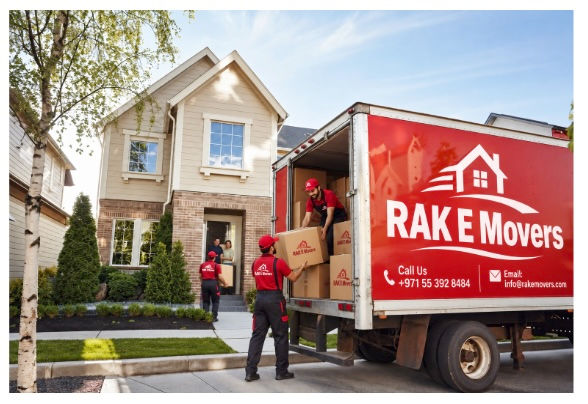
The difficult part of moving isn’t always the drive to the new address. It’s getting a large sofa around a tight corner, keeping glassware safe, finding the missing wardrobe screws and making sure the truck is allowed near the building.
This is why choosing movers in Ras Al Khaimah should involve more than asking for a quick price. A moving team needs to understand the belongings, packing work, property access and furniture that may need to be taken apart.
The details become even more important in a large house. Experienced villa movers in Ras Al Khaimah have to account for upper floors, internal stairs, outdoor furniture, garages and storage areas that may contain far more than expected.
A well-planned move begins before the first carton is sealed. When the inventory, access route and responsibilities are clear, both the customer and moving crew know what to expect.
What Should Movers in Ras Al Khaimah Handle?
A household moving service can cover packing, furniture protection, loading, transportation and setup at the new property. For larger homes, villa movers in Ras Al Khaimah may also need to manage bulky furniture, internal staircases, outdoor belongings and garage contents. The exact work depends on what the customer has booked.
Some people need help with everything. Others pack their clothing and personal belongings themselves, leaving the furniture and fragile items to the movers.
The service may include:
An on-site or video survey
A room-by-room inventory
Full or partial packing
Cartons and protective materials
Sofa, table and cabinet wrapping
Furniture dismantling
Loading and transportation
Unloading into the correct rooms
Furniture reassembly
Unpacking when requested
Collection of used packing materials when agreed
These tasks shouldn’t be assumed. If furniture reassembly or unpacking is important, it needs to be included in the written quotation.
The same applies to items outside the main rooms. Balcony furniture, bicycles, tools and belongings stored in a garage still need packing space, labour and room in the vehicle.
Why Local Moving Experience Matters
Ras Al Khaimah contains apartments, family villas, gated communities, office buildings and properties with very different access conditions.
An apartment move may depend on a freight-lift booking. A villa could have enough driveway space for a truck, or the crew may need to carry everything from the road. Some properties require security notification before movers can enter.
A team familiar with local moving work is more likely to ask the right questions early:
Does the building require advance notice?
Is a service lift available?
Can the moving truck enter the community?
Where can the vehicle remain while loading?
Are there restricted moving hours?
How far is the lift from the parking area?
Will building security need crew or vehicle details?
These may sound like small matters. On moving day, however, a missing lift booking or unavailable loading space can delay the complete job.
What Makes a Villa Move Different?
A villa usually contains belongings in several separate areas. The moving survey shouldn’t stop after the bedrooms and living room have been checked.
Garages often hold tools, storage boxes, bicycles and unused furniture. Gardens may contain tables, chairs, planters and children’s equipment. Balconies, utility rooms and maid’s rooms can add more cartons to the inventory.
Upper-floor furniture creates another challenge. A wardrobe assembled inside a bedroom may be too large to pass through the door or turn safely on the staircase.
Before a villa move, the team should inspect:
Furniture on every floor
Internal staircases and landing space
Bedroom doors and hallway turns
Garden and balcony belongings
Garage and storage-room contents
Main gate and driveway width
Truck parking space
Distance from the entrance to the vehicle
A large home doesn’t always need several trucks, and a smaller villa isn’t always an easy job. The actual contents and access route matter more than the number of bedrooms alone.
How a Moving Survey Prevents Problems
A quick phone description can miss a great deal. “Three-bedroom villa” doesn’t explain whether the property is lightly furnished or full of books, decorations, appliances and outdoor furniture.
A proper survey gives the mover a clearer picture of the work. It can take place at the property or through a detailed video call when suitable.
Every room should be shown. Open wardrobes and kitchen cupboards so their contents can be considered. Walk through the garage, balcony and garden as well.
The mover should also see the route from each room to the vehicle. This reveals narrow doors, sharp corners, stairs and long carrying distances.
A useful way to understand the workload is:
Moving workload = belongings + packing + furniture work + access difficulty + transport needs
If one part changes, the rest of the plan may change with it. Adding a large wardrobe, for example, could require more packing material, dismantling time and vehicle space.
How Furniture Is Prepared for Moving
Furniture can be damaged at its corners, legs, handles and joints. The right preparation depends on how the item is built and the material covering its surface.
Sofas and Seating
Loose cushions should be removed and packed separately. Detachable feet or modular sections may also be taken off when this makes carrying safer.
Fabric needs clean protection, while wooden arms and exposed corners may need extra padding. Recliners can be heavier than ordinary chairs because of the mechanism underneath.
Beds and Mattresses
Many bed frames travel more safely in sections. The headboard, side rails, base and supports can be dismantled if the design allows it.
Mattresses should be placed in clean covers. They shouldn’t be dragged along floors or rested against unclean walls without protection.
Wardrobes and Cabinets
Wardrobes, drawers and cabinets should be emptied before moving. Their contents add weight and can shift inside the furniture.
Removable shelves, doors and glass panels may need separate wrapping. If the full unit can’t clear the doorway, dismantling may be necessary.
Not every wardrobe should automatically be taken apart. Older flat-pack pieces can become weaker each time their fittings are removed and replaced.
Tables and Fragile Surfaces
Dining-table legs are often removable. Taking them off can reduce the packed size and protect the joints.
Glass, marble and polished wooden surfaces need different handling. The crew should know about these materials before arriving so that suitable protection can be prepared.
Screws and fittings should be placed in labelled bags. Mixing parts from several pieces of furniture can turn reassembly into guesswork.
Will the Furniture Fit Through the Property?
Room size can be misleading. A sofa may have plenty of space in the living room but still be too wide for the lift door.
The full carrying route needs to be checked:
Measure the furniture at its widest points.
Measure it again after removable parts are taken off.
Check the room doorway.
Record corridor width and turning space.
Measure the lift-door opening.
Check the inside of the lift.
Inspect the staircase as an alternative.
Repeat the checks at the new property.
Allow extra clearance for wrapping and the movers’ hands.
The basic rule is:
The packed item must pass through the narrowest usable point on the route.
Width isn’t the only consideration. Long furniture may clear a doorway but fail to turn inside a short corridor. Photographs and measurements together provide a better picture.
If an item won’t fit, possible options include removing detachable parts, dismantling the furniture or using another safe route. The decision should be made before lifting begins.
How Household Belongings Should Be Packed
Good packing isn’t about using the largest number of materials. It’s about giving each item enough protection while keeping cartons safe to lift.
Books and tools should go into smaller boxes because they become heavy quickly. Clothing and other light belongings can use larger cartons.
Kitchenware needs careful spacing. Plates, cups and glass items shouldn’t be left free to knock against one another. Gaps inside the carton should be filled so the contents don’t shift.
Each box should have a useful label. “Kitchen — plates” is better than “house items.” Adding the destination room makes unloading easier.
Items that shouldn’t go in the moving truck include:
Personal identification
Property keys
Medication
Cash and jewellery
Important documents
Phones and chargers
Essential items needed immediately
Keep these belongings in a separate bag. If necessary, place everything that shouldn’t be packed in one clearly marked area.
What Happens on Moving Day?
The moving supervisor should first walk through the property with the customer. This is the time to confirm the inventory, point out fragile items and identify belongings that aren’t going.
Packing usually takes place room by room. Furniture is prepared, cartons are labelled and dismantled components are kept together.
The loading order matters. Items needed first at the destination shouldn’t be trapped behind furniture that will take longer to unload.
Once the vehicle reaches the new property, cartons can be placed in their labelled rooms. Large furniture should go into position before small boxes fill the available floor space.
The customer should then check the agreed reassembly work and compare the delivered items with the moving inventory.
What Should a Written Moving Quote Include?
A useful quotation explains the service rather than showing one total with no detail.
It should identify:
Collection and delivery addresses
Property type and floor level
The furniture and belongings being moved
Full, partial or customer packing
Packing materials
Furniture dismantling
Furniture reassembly
Loading and unloading
Vehicle arrangements
Access details already discussed
Any excluded services
The process for approving additional work
The inventory and quotation should agree with each other. If a large item is missing, ask for it to be added before accepting the price.
Verbal promises can be forgotten or misunderstood. Important services are much easier to confirm when they’re written clearly.
How to Compare Moving Companies Properly
The cheapest quotation isn’t always the cheapest complete move. One price may include packing materials and furniture work, while another may cover transport only.
Compare the same service between companies. Check whether each quotation includes the materials, labour, vehicle and setup you actually require.
It also helps to ask:
Will the price be confirmed in writing?
Is the crew employed and supervised by the company?
Who will coordinate the booking?
Is goods-in-transit protection documented?
Who handles lift bookings or access arrangements?
Will the inventory be checked at delivery?
How are changes to the agreed work approved?
Clear answers reduce uncertainty. They also show whether the company has planned the job or simply offered a quick number.
Moving Mistakes That Are Easy to Avoid
Showing Only the Main Rooms
Garages, balconies and cupboards count. Anything left out can change the workload later.
Packing Heavy Items in Large Boxes
A large carton filled with books can become difficult to lift and may fail at the base.
Leaving Drawers Full
Furniture becomes heavier, and the contents can move around while it’s being carried.
Forgetting the Destination Route
Measure the doors, lift and stairs at the new home as carefully as those at the old property.
Waiting Until Moving Day to Mention Fragile Items
The team needs advance notice to prepare suitable materials and handling arrangements.
Relying on a Verbal Price
Ask for a written quotation that reflects the complete inventory and agreed work.
Packing Essential Belongings
Keep documents, medication, chargers and keys with you rather than placing them inside general cartons.
Preparing the Home Before the Crew Arrives
A little preparation can save a surprising amount of time.
Remove items from hallways and doorways. Roll up loose rugs and move small decorative pieces away from the carrying route.
Empty wardrobes and drawers unless the quotation says the crew will pack their contents. Disconnect suitable electronics and label their cables.
Decide what will be moved, donated, sold or left behind. Clearly separate anything that isn’t going to the new property.
At the destination, think about furniture placement before unloading begins. If the movers know where the beds, wardrobes and sofas belong, the larger pieces can be positioned without being moved twice.
Why RAK E Movers Suits Home and Villa Relocations
RAK E Movers handles household, apartment, villa and furniture moves within Ras Al Khaimah. Its service can bring the survey, packing, furniture preparation, loading and transportation into one organised plan.
Customers can benefit from a written quotation, documented inventory and a clear point of contact. Furniture work, access arrangements and protection can be discussed before moving day rather than left to last-minute decisions.
For villa relocations, reviewing every floor and storage area helps the team prepare the correct crew, materials and vehicle. For apartment moves, lift and building access can be considered before the schedule is confirmed.
The main advantage is knowing what has been agreed. A written scope gives the customer and crew the same list of responsibilities.
A Smoother Move Begins With Honest Information
Moving becomes easier when the company sees the complete job from the start. Show every room, explain what you’ll pack yourself and mention difficult furniture before accepting a quotation.
Check both properties, not only the home you’re leaving. A narrow destination lift or unavailable parking space can affect the plan just as much as the collection address.
The best moving day is usually the one with the fewest surprises. A complete inventory, sensible packing and a properly checked route give the crew what they need to move the home safely and keep the day under control.


