
Vinyl Siding Color Trends for 2026
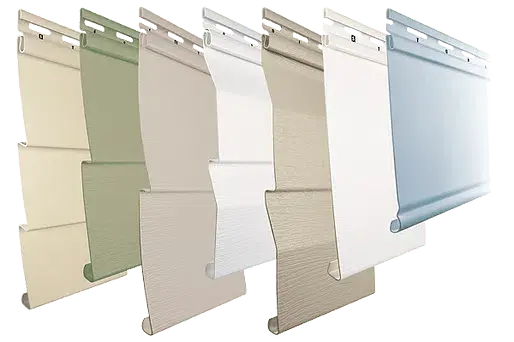
Homeowners planning an exterior refresh have more vinyl siding color options than ever, and 2026 is shaping up to be a year where personality and durability matter equally. Vinyl siding color trends for 2026 are moving away from the flat whites and beige tones that dominated for decades, favoring richer hues, deeper contrasts, and finishes that mimic natural materials like wood and stone. Whether you are building new or replacing worn siding, understanding these trends can help you make a choice that looks current now and ages well over the next ten to twenty years.
Why Vinyl Siding Color Choices Matter More Than Ever
Vinyl siding remains one of the most popular exterior cladding materials in the United States because it is affordable, low maintenance, and available in an enormous range of colors and textures. But color is no longer just a cosmetic decision. Modern vinyl siding color trends are influenced by energy efficiency, regional climate considerations, resale value, and how a home's exterior color palette interacts with its roofline, trim, windows, and landscaping.
Buyers today are more visually literate thanks to home renovation shows, social media, and online real estate listings. A home with a thoughtfully chosen color scheme tends to photograph better, stand out in a neighborhood, and in some cases sell faster or for a higher price. That means choosing the right vinyl siding color is both a design decision and a financial one.
The Shift Toward Deep, Moody Tones
One of the clearest vinyl siding color trends for 2026 is the continued rise of deep, moody colors. Charcoal, deep navy, forest green, and even near black tones are appearing on homes across the country, especially in urban and suburban areas where modern farmhouse and contemporary architectural styles are popular.
These darker shades work well because they create strong curb appeal with minimal effort. A charcoal gray home with white trim and black window frames, for example, looks sharp and intentional without requiring elaborate landscaping or architectural detail. Manufacturers have also improved the heat resistant technology used in darker vinyl siding colors, which historically had issues with warping due to heat absorption. This means homeowners in warmer climates, including parts of California, Texas, and the Southeast, can now choose darker colors with more confidence than in previous years.
Deep tones also pair beautifully with natural elements like stone accents, wood garage doors, and black metal roofing, which continues to be a popular combination heading into 2026.
Warm Neutrals Are Replacing Cool Grays
For years, cool gray tones dominated exterior color trends, largely influenced by the farmhouse aesthetic that peaked in popularity in the previous decade. In 2026, there is a noticeable shift toward warmer neutrals. Colors like greige (a blend of gray and beige), warm taupe, soft clay, and sandy tan are becoming more common choices for vinyl siding.
This shift reflects a broader movement in interior and exterior design toward warmth and comfort rather than the stark, cool minimalism that was popular previously. Warm neutrals tend to feel more inviting and blend more naturally with brick, stone, and wood accents. They also tend to have broader buyer appeal, which is an important consideration for homeowners who may sell within the next several years.
Warm white and cream tones are also seeing renewed interest, particularly in coastal regions and areas with strong historical or traditional architecture, such as parts of New England and the Pacific Northwest.
Green Tones Are Having a Major Moment
Green has quietly become one of the standout vinyl siding color trends for 2026. Sage green, olive, and deep hunter green are showing up on new builds and renovations alike. Unlike the bright or minty greens that have appeared in past design cycles, these are muted, earthy greens that read as sophisticated rather than playful.
Green siding works particularly well in wooded or rural settings, where it blends naturally with the surrounding landscape, but it is also being used successfully in suburban neighborhoods to create a distinctive look. Sage green in particular pairs well with black trim, natural wood accents, and brass or matte black hardware, giving homes a modern yet grounded appearance.
Black and Near Black Siding Continues to Grow
Black vinyl siding, once considered a bold or risky choice, has become increasingly mainstream. Manufacturers have responded to demand by improving heat resistant formulations, making black and near black siding more practical for a wider range of climates.
Black siding offers a dramatic, high contrast look that works especially well on modern and contemporary style homes. It is often paired with large windows, wood accents, and minimalist landscaping to create a striking, architecturally forward appearance. For homeowners who want a bold statement without committing to full black, charcoal and dark bronze tones offer a similar aesthetic with slightly more flexibility.
Two Tone and Multi Tone Siding Designs
Another significant trend for 2026 is the growing popularity of two tone and multi tone siding combinations. Rather than choosing a single color for the entire exterior, homeowners are mixing colors to highlight architectural features, create visual interest, or distinguish between different sections of a home.
Common combinations include a darker color on the lower level or garage with a lighter color on the upper story, or using a contrasting color on gables, dormers, or accent walls. Board and batten style vertical siding is frequently used as an accent material in a contrasting color alongside traditional horizontal lap siding, adding texture as well as color variation.
This approach allows homeowners to incorporate trending colors like deep green or charcoal without committing to covering the entire home, which can be a good option for those who want a modern look but are concerned about resale appeal or long term commitment to a bold color.
Wood Look Vinyl Siding in Natural Tones
Vinyl siding manufacturers have made significant advances in replicating the look of natural wood, and wood look vinyl siding is a major trend heading into 2026. These products combine the low maintenance benefits of vinyl with the warm, textured appearance of cedar, pine, or weathered barnwood.
Popular wood look colors include honey brown, weathered gray, and driftwood tones. This style is especially popular for accent areas such as gables, porch ceilings, and entryways, where it adds warmth and texture without the maintenance demands of real wood siding. As the technology improves, more homeowners are choosing wood look vinyl siding for larger portions of their homes, not just accents.
Regional Influences on Vinyl Siding Color Trends
Vinyl siding color trends are not uniform across the country. Climate, local architectural styles, and regional preferences all play a role in which colors perform well in a given area.
In coastal regions, including parts of Florida, the Carolinas, and Southern California, lighter colors such as soft blue, seafoam green, and warm white remain popular due to their ability to reflect heat and complement a beach inspired aesthetic. In mountain and forested regions, deep greens, browns, and charcoal tones blend naturally with the surrounding environment. In suburban areas across the Midwest and Northeast, warm neutrals and classic combinations like navy with white trim continue to perform well, offering a timeless look that appeals to a broad range of buyers.
Homeowners should consider not just what is trending nationally, but what colors are common and well received in their specific city or neighborhood, since local architectural norms can significantly affect resale value.
How to Choose the Right Vinyl Siding Color for Your Home
Selecting a vinyl siding color involves more than picking a shade that looks appealing in a brochure or on a screen. Several factors should be considered together to ensure the final result looks cohesive and holds up over time.
Architectural style matters significantly. A modern farmhouse benefits from different color choices than a colonial, craftsman, or ranch style home. Roof color is another important consideration, since the siding color needs to complement rather than clash with existing roofing materials. Trim, shutters, and front door colors should be chosen with the overall palette in mind rather than as an afterthought. Lighting also plays a role, since colors can appear different depending on the amount of natural light a home receives throughout the day, and samples should ideally be viewed at different times of day before a final decision is made.
It's also worth considering neighborhood context. While standing out can be appealing, a color that is drastically different from surrounding homes may affect resale appeal in some markets. Reviewing manufacturer color visualizer tools, which allow homeowners to upload a photo of their home and preview different siding colors digitally, can be a helpful step before committing to a full installation.
The Role of Fade Resistant Technology
As darker and bolder colors become more popular, fade resistant technology has become an increasingly important consideration. Lower quality vinyl siding can fade significantly within a few years, particularly in darker colors exposed to intense sun. Leading manufacturers now offer advanced color retention technology and warranties specifically covering fading, which is an important factor to discuss when selecting both a color and a vinyl siding brand.
Homeowners investing in trending darker colors for 2026 should prioritize products with proven fade resistant performance to ensure their siding maintains its appearance for the long term, rather than choosing based on color alone.
FAQ: Vinyl Siding Color Trends for 2026
What is the most popular vinyl siding color for 2026? Charcoal gray and other deep, moody neutrals are among the most popular choices, along with warm greige tones and muted sage green.
Is dark vinyl siding a good choice for hot climates? Yes, in most cases. Many manufacturers now offer heat resistant and fade resistant formulations specifically designed to perform well in darker colors, even in warm climates. It is still a good idea to confirm a product's heat resistant rating before choosing a dark color in a very hot region.
Will black or dark siding affect my home's resale value? Not necessarily. Dark and moody exterior colors have become increasingly popular with buyers, especially on modern and farmhouse style homes. That said, neighborhood context matters, so it helps to consider what colors are common and well received in your specific area.
What vinyl siding colors pair well together for a two tone look? Common pairings include:
Charcoal with white or cream trim
Sage green with black or dark bronze accents
Warm taupe with wood look accent panels
Navy blue with white or light gray trim
Does vinyl siding color affect energy efficiency? Yes, to some degree. Lighter colors reflect more sunlight and can help keep a home cooler, while darker colors absorb more heat. Advances in vinyl siding technology have reduced this effect, but it is still worth considering in very hot climates.
How long do vinyl siding colors typically last before fading? This varies by manufacturer and product quality, but many higher end products now carry warranties covering fading for 20 years or more, particularly for darker colors that previously had higher fade risk.
Should I match my vinyl siding color to my roof? Yes, coordinating siding and roof colors is important for a cohesive look. Warm roof tones generally pair well with warm siding colors, while cool toned roofs pair better with cool neutrals or deep blues and greens.
Final Thoughts on Choosing a 2026 Vinyl Siding Color
Vinyl siding color trends for 2026 reflect a broader shift toward warmth, depth, and individuality in home exterior design. Whether you are drawn to a dramatic charcoal exterior, a warm greige palette, or a wood look accent that adds natural texture, there are more high quality options available today than at any point in the past. Taking the time to consider architectural style, regional climate, fade resistant technology, and how your color choice will look alongside your roof and trim will help ensure your new siding looks great not just this year, but for many years to come.


