
What Clothing Brands Should Specify Before Developing a Puffer Jacket
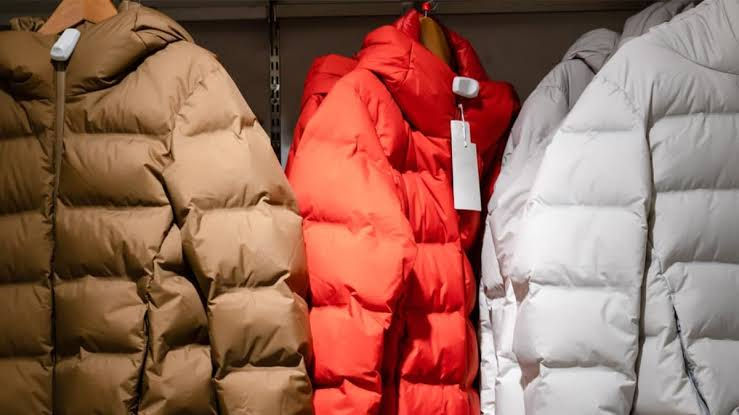
Custom puffer jacket development is less about choosing a silhouette from a mood board and more about turning the intended product into decisions a pattern team, material supplier, and sewing line can reproduce. A jacket may look straightforward in a photograph, yet its shell, lining, insulation, quilting layout, closures, and fit all affect the finished garment.
The most reliable development brief does not merely say “oversized puffer” or “warm winter jacket.” It explains what the wearer should experience, where the jacket will be sold, how it should move, and which details are non-negotiable. That gives a factory a usable basis for a puffer jacket sample specification and prevents important choices from being made by default.
Start with the product role, not the reference image
Before selecting materials, define the jacket’s job. Is it a short fashion puffer intended for city wear, a cropped layer for a collection, a longer coat for commuting, or a lightweight insulated piece meant to layer under a shell? These uses call for different proportions, pocket placements, insulation distribution, and mobility allowances.
Describe the target wearer and styling intent in practical terms. Include the desired body length, intended layering, preferred silhouette, expected volume, and whether the hem should sit close to the body or remain relaxed. If you are using reference images, label what each image is showing: shape, quilt scale, hood volume, zipper treatment, finish, or styling only. Do not assume every feature in a photographed puffer is visible or transferable.
For private label puffer jackets, identify the points that must remain consistent across sizes and colorways. A body that looks balanced in one sample size can become too short, too wide, or too stiff when graded unless the fit intent is documented from the start.
Specify the shell beyond color and fabric name
“Polyester shell” or “nylon shell” is a starting point, not a full specification. The shell determines much of the jacket’s hand feel, visual character, abrasion behavior, noise, drape, and apparent bulk.
Your brief should state:
The preferred fiber or fabric family, if already selected.
Surface appearance: matte, subtle sheen, crisp, soft, smooth, textured, ripstop, or another defined effect.
Desired hand feel and structure: fluid, compact, papery, plush, firm, or lightly stretchy.
Color standard and whether approval is based on a submitted swatch, lab dip, or physical reference.
Whether the shell needs a coating, membrane, or water-repellent treatment, and what evidence or documentation you require before approving it.
Avoid describing a finish as waterproof, windproof, recycled, or certified unless you have defined the applicable requirement and the supporting evidence you expect to review. A performance claim should be treated as a separate development requirement, not a visual shorthand.
Also specify whether the shell must control insulation migration. This matters particularly when using down or loose fibers, because construction and fabric selection work together. Do not rely on a generic material label to resolve this issue.
Define lining as a functional component
Lining is often under-specified, even though it affects how the garment slides over layers, feels against the body, and behaves around pockets and sleeve openings. A lining can be lightweight and slick, softly brushed, mesh-like, or more substantial. Each choice changes the wearer’s experience.
State the lining material direction, color, finish, and any contrast treatment. Call out whether pocket bags use the same lining, a warmer pocketing material, or a different durable fabric. If the jacket has an internal pocket, specify the opening type, location, dimensions, closure, and whether it should hold a phone, wallet, or other item.
For a reversible garment, treat both sides as exterior faces. That means both fabrics, labels, pockets, seams, and closures need their own review criteria rather than treating one side as an afterthought.
Choose insulation without assuming it is down
A puffer’s appearance does not identify its filling. Down, feather blends, synthetic staple fibers, sheet insulation, fiber balls, and other engineered fillings can produce a quilted jacket. Your specification should name the intended filling category and the product reason for choosing it.
Down insulation is typically selected when a brand wants a light, lofty construction. Synthetic insulation may be selected for a different hand feel, lower-maintenance positioning, a specific silhouette, or the needs of a planned material program. Neither choice is automatically right for every custom insulated jacket.
For either option, state:
Filling type and supplier-approved material description.
Whether the same filling is used in the body, sleeves, collar, and hood.
Target distribution by garment zone.
Desired visual loft and recovery after handling.
Acceptable feel: airy, dense, structured, soft, or compact.
Any documentation, traceability, or testing evidence required for your sales claims.
Do not infer a temperature rating from fill quantity, quilt depth, or a reference photo. Likewise, do not claim a fill-power value unless it is explicitly specified, verified, and supported by supplier documentation. Fill power is a measure used for down loft, so it should not be used as a generic description for synthetic filling.
Make baffle construction measurable
Baffles create the puffer’s recognizable structure, but they also determine volume, insulation placement, seam appearance, and the way the jacket folds and moves. Specify their direction and layout: horizontal, vertical, chevron, shaped panels, or mixed quilting zones.
A useful tech pack shows front, back, side, and detail flats with baffle lines clearly marked. Add dimensions for the channel width, spacing, and any variation between body, sleeves, collar, and hood. When this information is omitted, factories may apply their standard construction, which can materially alter the intended silhouette.
Also identify the construction approach where relevant. Stitch-through quilting is visually direct and can be appropriate for many styles. Other constructions may create a more sculpted or insulated appearance, but they introduce additional development considerations. Rather than requesting a construction by name alone, explain the visual result, weight, softness, and durability you need, then review the proposed method with the development team.
Build movement into fit and pattern decisions
A jacket can fit correctly while still feeling restrictive. Puffers need enough room for arm reach, driving, carrying a bag, and layering, but excessive volume can make the garment look uncontrolled. Put movement requirements in writing.
Ask for the intended base size, full measurement specification, tolerance approach, and grade direction. Note where ease belongs: chest, upper back, bicep, sleeve opening, armhole, and hem. If the garment is deliberately cropped, oversized, or fitted, say so directly and include reference measurements rather than relying on subjective labels.
Pay particular attention to sleeves. Specify sleeve shape, pitch, cuff construction, elastic behavior, and how far the cuff should cover the wrist. A dropped shoulder may support a relaxed look, while a more shaped armhole can change mobility and visual balance. Request fitting photographs from multiple views as well as movement images showing arms forward and overhead.
Treat zips, snaps, and adjusters as engineering details
Hardware affects use every day. Specify zipper location, exposed or concealed treatment, puller shape, tape color, guard placement, and whether the zipper should operate from both ends. If a storm flap is included, define its width, closure type, and whether it must lie flat when open.
For snaps, cord locks, drawcords, hook-and-loop tabs, or elastic adjusters, describe the adjustment range and the intended user action. A hem cord that is difficult to reach through insulation will frustrate the wearer even if it looks clean on a flat sample.
Include brand applications separately: neck label, size label, care label, woven badge, embroidery, hangtag, packaging, and any branded hardware. Private-label programs commonly cover labels, tags, packaging, and related identity applications, but the exact placement and finish still need to be stated in the product brief.
After you have established the technical core of the style, a relevant manufacturing resource such as JUNSHEEN clothing manufacturing can help coordinate pattern development, sampling, sourcing, inspection, and private-label packaging. The key is to provide enough detail for the team to price and develop the same product you intend to sell.
Review the sample with questions that expose risk
Do not approve a sample only because it photographs well. Review it on a fit model, on a hanger, and during ordinary movement. Compare it against the agreed spec, not against memory.
Use focused review questions:
Does the shell match the approved appearance and hand feel under normal lighting?
Is the filling type confirmed, and does loft look even across body, sleeves, collar, and hood?
Are baffle widths, lines, and intersections consistent with the flat sketch?
Do any seams visibly distort, leak filling, or create unwanted bulk?
Does the jacket retain its intended shape after sitting, folding, and arm movement?
Can the main zip be operated smoothly, and do guards or flaps interfere with it?
Do pockets sit correctly when worn, and are their openings usable with the jacket closed?
Does the hood, collar, hem, and cuff adjustment work as intended?
Are labels, trims, and decorative elements placed according to the artwork and measurement callouts?
Record feedback in one revision document with marked photos. “Make it better” is not actionable. “Reduce collar height, move the pocket opening forward, and match the approved baffle width” is.
Move from sample approval to a production-ready brief
Before authorizing bulk production, consolidate every approved material, color, filling, trim, pattern revision, measurement, artwork file, label placement, and packaging instruction into the final pack. Confirm which sample is the approval reference and what change-control process applies if substitutions are proposed.
If the development team identifies a material, trim, or construction constraint, ask for the impact on appearance, function, and cost before accepting an alternative. This keeps a practical compromise from becoming an undocumented product change.
For a final review of an upcoming custom puffer jacket development project, contact JUNSHEEN with the tech pack, reference images, intended fit, filling direction, and sample questions. A clear first submission gives the team a stronger foundation for development.
FAQ
What is the most important item in a puffer jacket tech pack?
There is no single item, but the combination of accurate flats, measurements, shell and filling specifications, baffle dimensions, and trim callouts is essential. Missing baffle details can change the finished silhouette.
Should a fashion puffer use down or synthetic insulation?
Choose based on the product’s intended hand feel, loft, care expectations, silhouette, supply requirements, and the substantiated claims your brand plans to make. Do not choose based solely on how a reference image looks.
What should be checked in the first puffer sample?
Check fit, arm movement, loft distribution, baffle alignment, pocket usability, zip operation, hood or collar shape, shell appearance, and every brand placement. Capture revision notes with annotated photographs.
Can an OEM or ODM starting point still be customized?
Yes. An OEM project generally follows a brand’s supplied specifications, while ODM development may begin with a manufacturer-supported design direction. In either case, document every deviation and final approval point.


