
What Determines The Cost To Paint Kitchen Cabinets?
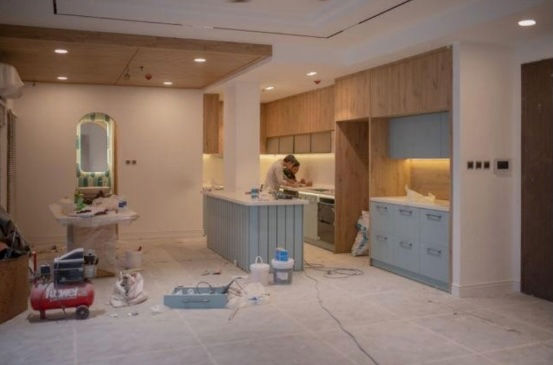
Painting your kitchen cabinets sounds simple enough, but the price can swing wildly, way more than most people expect. If you hire a pro, you're probably looking at a few thousand dollars, depending on the size of your cabinets, their condition, and just how much prep work they need.
When those quotes come in higher than you thought, it’s tough to figure out why. You start weighing your options: maybe you shop around for more estimates, think about taking on the project yourself, or look for ways to cut labor costs without ending up with a messy finish.
Knowing what determines the cost to paint kitchen cabinets makes those decisions easier. The price is shaped by more than paint alone, including surface preparation, repairs, sanding, priming, application methods, cabinet layout, and labor.
Once you get a handle on all these factors, it’s a lot easier to sort through bids and set a budget you can actually stick to.
1. Number of Doors and Drawer Fronts
Cabinet painting is often priced by the number of cabinets rather than by the kitchen's square footage. Professionals may charge anywhere from about $75 to $175 per door or drawer front, depending on the work, location, finish, condition, etc.
This is why a kitchen with many small doors can cost more than a larger kitchen with fewer, larger doors. Each door has to be removed, labeled, cleaned, prepped, painted, dried, and reinstalled. The design of the door matters as well. Flat cabinet doors are much quicker to prepare and paint than raised-panel or routed doors with decorative profiles or glass inserts.
To get an idea of the true cost to paint kitchen cabinets, start by counting the doors and drawer fronts. Then find out exactly which surfaces are included in the estimate. Some painters quote only the front faces, while others include cabinet frames, end panels, and other exposed areas.
2. Labor and the Amount of Preparation
Labor typically makes up the largest portion of a professional cabinet painting quote. Current industry estimates put labor at roughly 70% to 85% of the total project cost.
Once you consider the preparation involved, that percentage makes sense. Kitchen cabinets are exposed to grease, cooking residue, wax, and cleaning products over the years. Paint will not adhere properly to a surface that hasn't been thoroughly cleaned and prepared.
A professional process generally includes cleaning, degreasing, sanding, repairs, priming, painting, drying, and final installation. Damaged veneer, peeling finishes, loose components, cracks, or heavy existing brush marks can all add to the workload.
Skipping the preparation work may save some money, but the result will most likely have bubbles, peeling, and unsightly brush or roller marks that require further repairs. A good estimate will include the amount of work required to prepare the existing surface before painting.
3. Cabinet Material and Condition
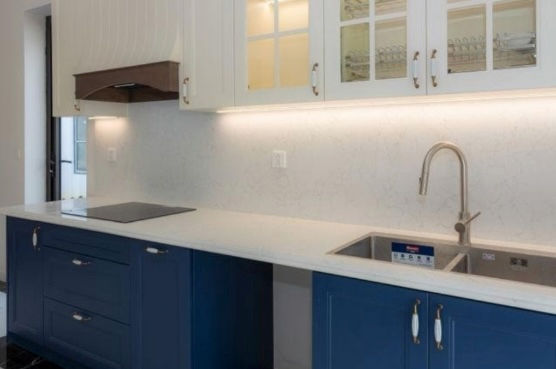
The material that the existing cabinet is made of affects the amount of preparation work. Solid wood, wood veneer, MDF, laminate, thermofoil, and more each require specific consideration.
Open-grain woods like oak will need extra preparation to fill the grain if a smooth finish is desired. MDF will require special attention to the exposed edges, while laminate and thermofoil will need specially selected primer.
The condition of the cabinets matters even more. For example, cabinets with a good existing finish will need some preparation and the right primer to ensure the paint sticks.
This is why an on-site evaluation can result in a very different price from a quote based on photos or a description. The visual condition of the cabinets does not always indicate the amount of preparation work required.
4. Application Method and Desired Finish
The way the paint is applied also affects the final cost. Using a brush and roller is often cheaper, since the painting can be done in the kitchen with relative ease.
Spraying may cost more because it requires a more involved process, but it produces a better finish with fewer visible brush or roller marks. Cabinet doors are often removed and sprayed in a specially prepared area, while fixed cabinet boxes are prepared and painted in place. That process involves additional handling, masking, drying space, transportation, and setup.
The finish also requires consideration. A smooth painted surface will require more preparation and care than a standard finish. Semi-gloss and similar finishes are often desired for a kitchen since they are easy to clean and more resilient. When reviewing estimates, ask specifically about the preparation work, number of coats, primer, drying process, and final finish.
5. Changing From a Dark Color to a Light Color
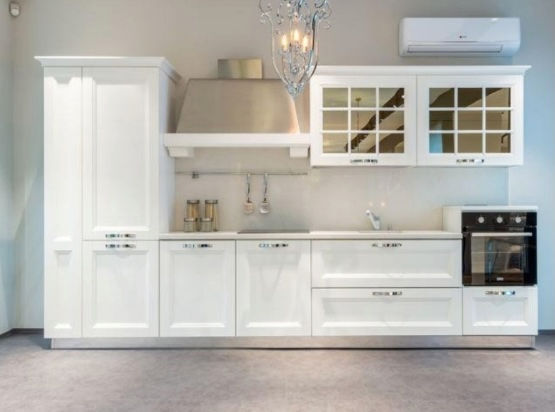
A change from dark-stained or painted cabinets to a light color, like white, can also affect the price. Dark colored cabinets require extra work to ensure even coverage. The painter will need to apply the appropriate primer and may need to apply additional top coats for a consistent finish. Each additional coat increases material costs, labor, and the drying time between coats.
The existing finish also plays a role. A stained wood surface can require a different preparation process from an already painted cabinet. The painter will need to take the necessary precautions to ensure that the existing finish is completely compatible with the new system. Color changes tend to show more on intricate doors, like raised-panel and routed doors.
That is why the cheapest estimate is not always the one with the fewest number of top coats. A proper estimate will take into account the existing color, the desired new color range, the primer system, and the number of finish coats required for full coverage.
6. Scope of Work and Extra Cabinet Details
Two painting contractors can evaluate the same kitchen and offer very different prices because they are quoting against each other for different jobs.
One estimate may include work on door fronts and visible cabinet frames, while the other covers both sides of the doors, the end panel, crown molding, shelves, and interior painting.
Cabinet details also add to the work. Custom doors, decorative molding, exposed ends, and island panels require more thorough preparation and painting. Hardware changes can also affect the price, particularly if existing holes need to be filled and new ones drilled.
Before accepting an estimate, compare the written scope line by line. The number of doors and drawers, any surfaces included, preparation work, repairs, primer, paint, method of application, and work on hardware can all affect the final price. A lower quoted price does not necessarily mean a lower price for the same work. It often indicates that less work is being done.
Conclusion
Several factors contribute to the cost of a kitchen cabinet painting job. The number of doors, drawer fronts, cabinet material and condition, preparation work, method of application, color change, and scope of work all play a role.
Labor usually makes up the largest share because cabinet painting involves detailed preparation and careful handling of numerous individual pieces.
A good written estimate will specify exactly what will happen to the cabinets and what surfaces are included. If you have that information, it becomes much easier to compare quotes, stay within budget, and avoid surprises once the job is done.


