
What Happens If You Put Too Much Clarifier in a Pool
- Jul 8
- 4 min read
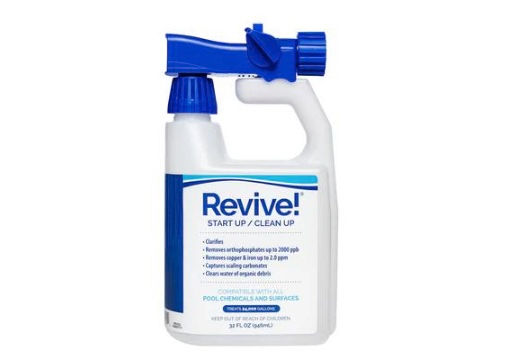
To keep your pool water clean and clear, you need the right pool chemicals and maintenance. A pool water clarifier is often used to clarify pool water by bringing together small particles to make larger particles which can be filtered out. If properly installed and maintained, a clarifier may be used to remove cloudy water and enhance the look of your pool.
But, adding too much clarifier can be problematic rather than helpful. If you overuse the pool water clarifier, then it is important to understand what would happen to the pool water so you can maintain balanced and healthy pool water.
How Pool Water Clarifier Works
A pool water clarifier will be used to aggregate the small debris. These particles may include:
Dirt and dust
Oils and lotions
Organic debris
Microorganisms that produce cloudiness in water.
Extremely small particles can escape through the filter system of a pool filter. These particles are increased in size with the assistance of the clarifiers so that the filter can remove them better.
If applied at the recommended dosage, a clarifier may aid in the improvement of water clarity and make the pool appear cleaner.
What If You Add too much Clarifier?
Using too much pool water clarifier can have the opposite effect of what you intended. If there is too much, it can cause further cloudiness and disrupt the pool's chemistry.
Common issues are:
Cloudy/Hazy Water
One of the most common results of overusing a clarifier is cloudy water. A clarifier operates by promoting clumping of the particles; however, if too much product is fed into the clarifier, excessive suspended material can result.
Rather than clean the filter effectively, the water could turn cloudy or opaque. This can make the pool look unappealing and can cause extra filtration time to clear the pool.
Filter Overload
Your pool filter is a key component in filtering the particles gathered by a pool water clarifier. If excess clarifier is used, the filter may be overloaded.
This can lead to:
Reduced filtration efficiency
The pressure in the filter system is increased
Longer cleaning cycles
Increased backwash or filter maintenance
An optimum level of clarifier can help the filtration process, but too much can cause the system to work harder.
Chemical Imbalance
Adding too much of any pool treatment can have an impact on your overall pool chemistry. Too much clarifier can react with other chemicals, complicating the maintenance of the appropriate levels.
An imbalance can lead to:
Unstable water chemistry
Reduced sanitizer effectiveness
Continued water clarity issues
Testing is important after a pool water clarifier is added to keep your pool balanced.
Residue and Buildup
Excessive use of a clarifier can result in pool residues or equipment build-up. This can accumulate on walls, steps, or in other parts of the pool.
If the residue results, then the proper cleaning is necessary. A proper pool tile cleaner may help to eliminate the buildup on the surface of the tile and maintain the cleanliness of the pool.
Debris is also not allowed to gather around the edge of the pool with regular brushing and maintenance.
What Happens When You Add Too Much Clarifier?
There are tips on what to do if you add an excess of pool water clarifier.
Discontinue using excess chemicals
Avoid adding additional clarifiers or unnecessary treatments. Allow the existing product to work through the filtration system.
Run the Pool Filter
Extend the filtration time; this will help to remove excess particles. In some cases, you may have to run your filter longer than normal if it is a problem.
Clean the Filter
The filter captures the particles that are affected by the clarifier, which can cause the filter to be cleaned after the clarifier. Dirty filters can affect the clearance time.
Test Your Water
Check important chemical levels, including:
pH
Chlorine
Alkalinity
Other balance factors
Good chemistry promotes good water quality.
Clean Pool Surfaces
When there is too much clarifier, cleaning of the pool surfaces may be required due to buildup of residue. A pool tile cleaner that is of good quality can assist with the removal of deposits and keep pool tiles looking good.
How Much Pool Clarifier Should You Use?
The proper amount is based on:
Pool size
Water condition
Product concentration
Manufacturer instructions
Follow the instructions on the product label in terms of recommended dose. Pool chemicals have a range of function. Applying the proper concentration of pool water clarifier will result in clear water without causing further troubles.
Preventing Clarifier Problems
To prevent further use of clarifier:
Add chemicals judiciously
Understand the volume of water in your pool.
Follow manufacturer guidelines
Test water regularly
Never combine more than one treatment without the recommendation of an expert.
If the problem occurs, it is better to follow a regular maintenance program than to add lots of chemicals.
The Importance of Regular Pool Maintenance
A clarifier is not designed to replace good pool care but rather is put in place as a component of an overall care program. Better water quality through regular filtration, cleaning, and chemical testing.
Cleaning your pool surfaces with a suitable pool tile cleaner, maintaining proper sanitizer levels, and removing debris regularly can reduce the need for excessive chemical treatments.
Final thoughts
When used properly, a pool water clarifier can help to improve cloudy water. But if excess is added, there will be hazy water, filter trouble, chemical imbalance, and residue.
It is best to use the recommended level, check the water often, and keep the water level in the pool steady. However, if you notice buildup on the surfaces of your pool, you can help remove it and bring your pool back to its clean and clear look with the help of a pool tile cleaner and filtration. With the right balance of products and maintenance habits, you can enjoy healthier and more attractive pool water.


