
What Is a Variable-Speed HVAC System and How Does It Work?
Updated: Sep 26
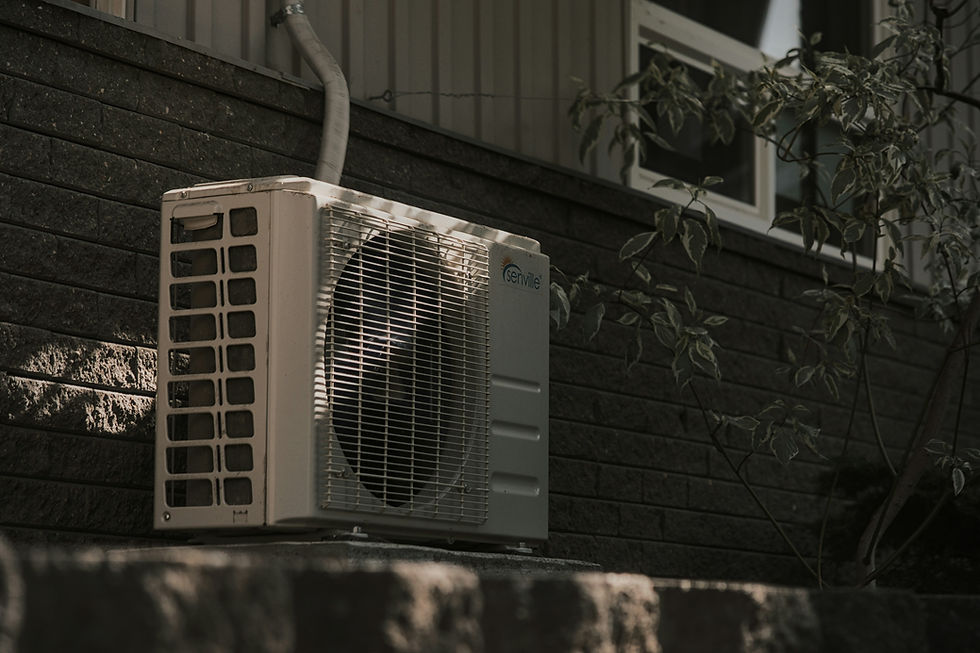
A variable-speed HVAC system represents a significant advancement in home heating and cooling technology, offering homeowners greater control, efficiency, and comfort compared to traditional single-speed systems. Unlike older models that operate at full capacity or not at all, variable-speed systems can adjust their output to match the precise needs of your home at any given moment. This adaptability leads to more consistent indoor temperatures, improved air quality, and potential energy savings. Understanding how these systems function and the benefits they provide can help you make informed decisions about upgrading your home’s climate control and maximizing comfort year-round.
Key features and benefits explained
How Variable-Speed HVAC Systems Operate
Variable-speed HVAC systems differ from conventional units primarily in the way their motors function. Traditional systems use single-speed motors that turn on at full power whenever heating or cooling is needed, then shut off completely once the desired temperature is reached. This on-and-off cycling can create noticeable temperature swings and often leads to higher energy consumption. In contrast, variable-speed systems use advanced motors capable of running at a wide range of speeds. These motors can adjust their output incrementally, allowing the system to operate at lower speeds for longer periods. This means the system can maintain a more consistent temperature throughout the home, reducing the frequency of abrupt starts and stops. The result is not only improved comfort but also quieter operation, as the system rarely needs to run at maximum capacity. By matching the system’s output to the actual demand, variable-speed technology helps optimize energy use and can extend the lifespan of the equipment.
Energy Efficiency and Cost Savings
One of the most significant advantages of variable-speed HVAC systems is their potential for energy efficiency and cost savings. Because these systems can operate at lower speeds for extended periods, they use less electricity compared to traditional systems that frequently cycle on and off at full power. This continuous, low-speed operation allows the system to maintain the desired temperature with minimal energy input, which can translate into noticeable reductions in monthly utility bills. Homeowners in regions with extreme temperatures, such as Las Vegas, may find that upgrading to a variable-speed system not only enhances comfort but also reduces the need for frequent furnace repair Las Vegas services, as the equipment experiences less wear and tear. Over time, the initial investment in a variable-speed system can be offset by the savings on energy costs and reduced maintenance expenses. Additionally, many utility companies offer rebates or incentives for installing high-efficiency HVAC systems, further improving the financial benefits of making the switch.
Improved Indoor Comfort and Air Quality
Variable-speed HVAC systems excel at maintaining consistent indoor temperatures, which is a key factor in overall comfort. Because the system can adjust its output in small increments, it avoids the temperature fluctuations that are common with single-speed systems. This means that rooms stay closer to the set temperature, eliminating hot or cold spots and creating a more pleasant living environment. Another important benefit is improved air quality. Variable-speed systems often run their fans for longer periods at lower speeds, which allows air to circulate more continuously through the home’s filters. This extended filtration helps remove more dust, pollen, and other airborne particles, contributing to a healthier indoor environment. For households with allergies or respiratory concerns, the enhanced air quality provided by a variable-speed system can make a noticeable difference. The quieter operation of these systems also adds to the comfort, as the gentle hum of a low-speed fan is far less disruptive than the loud blasts of a traditional unit cycling on and off.
Variable-Speed Technology and Humidity Control
Humidity control is another area where variable-speed HVAC systems offer clear advantages. By running at lower speeds for longer periods, these systems are better able to remove excess moisture from the air during cooling cycles. This is particularly beneficial in climates where humidity can be a concern, as maintaining proper indoor humidity levels is essential for comfort and health. Excess humidity can lead to problems such as mold growth, musty odors, and damage to furniture or building materials. Variable-speed systems help prevent these issues by providing more consistent dehumidification, which is achieved through extended run times and improved airflow over the system’s coils. This not only enhances comfort but also protects your home and belongings from the negative effects of high humidity. For homeowners seeking a comprehensive solution to both temperature and moisture control, variable-speed technology represents a significant improvement over older, single-speed systems.
A Short Look at System Longevity
Variable-speed HVAC systems tend to last longer than traditional units because they avoid the stress of frequent starts and stops. The gradual ramping up and down of the motor reduces wear on components, leading to fewer breakdowns and a longer operational life.
Regular maintenance also plays a key role in extending the life of heating equipment, especially during colder months when system demands peak. Homeowners who schedule routine checks or seek a qualified Furnace repair service in Yuba City can catch minor mechanical issues early, helping to prevent unexpected system shutdowns and maintain consistent heating performance throughout the winter season.
Installation Considerations and Compatibility
When considering the installation of a variable-speed HVAC system, it is important to assess your home’s existing infrastructure and compatibility with the new technology. Not all homes are immediately ready for a variable-speed upgrade, especially if the ductwork or electrical systems are outdated or undersized. A thorough evaluation by a qualified HVAC contractor can determine whether modifications are necessary to ensure optimal performance. Proper sizing of the system is also crucial, as an oversized or undersized unit can negate the benefits of variable-speed technology. Additionally, homeowners should consider the type of thermostat used, as variable-speed systems often require advanced controls to take full advantage of their capabilities. While the initial cost of installation may be higher than that of a traditional system, the long-term benefits in terms of comfort, efficiency, and reduced maintenance can make the investment worthwhile. It is also important to choose a reputable contractor with experience in installing and servicing variable-speed systems to ensure a smooth transition and reliable operation.
Conclusion
Variable-speed HVAC systems represent a major step forward in home comfort and energy efficiency. By adjusting their output to match the specific needs of your home, these systems provide more consistent temperatures, improved air quality, and better humidity control compared to traditional single-speed units. The ability to operate at lower speeds for longer periods not only enhances comfort but also reduces energy consumption and extends the life of the equipment. While the initial investment may be higher, the long-term savings and improved indoor environment make variable-speed technology an attractive option for many homeowners. Understanding how these systems work and the benefits they offer can help you make informed decisions about upgrading your home’s heating and cooling system for years of reliable, efficient performance.


