
What Is the Difference Between a Screen Room and a Lanai?
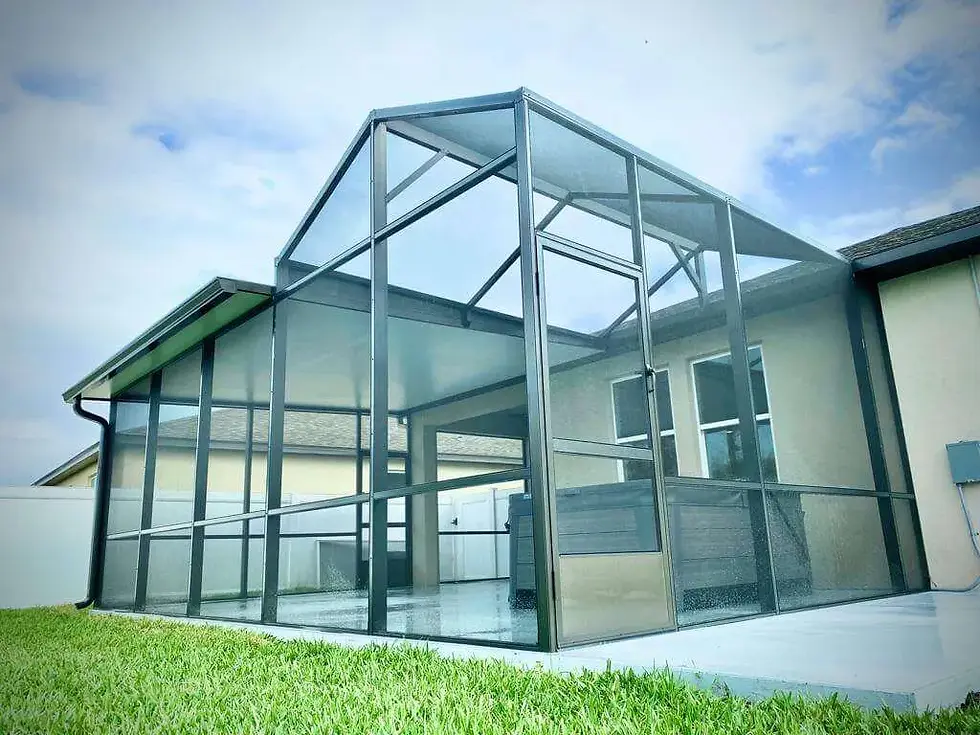
If you have spent any time researching outdoor living upgrades, you have probably come across two terms that get used interchangeably, even though they describe two different things: a screen room and a lanai. Homeowners often assume these words mean the same structure, but understanding the distinction can save you time, money, and frustration when you are ready to invest in screen room enclosures for your property.
Whether you are trying to figure out which option fits your home, your climate, or your budget, this guide breaks down what separates a screen room from a lanai, how each one functions, and which might be the better fit for your lifestyle.
Understanding What a Lanai Actually Is
The term "lanai" originated in Hawaii and traditionally refers to a covered porch or veranda that is attached to a home. In its purest form, a lanai is simply an open-air, roofed space that extends living areas outdoors. It typically has a roof supported by posts or columns, a floor (often tile or concrete), and open or partially open sides.
Over time, especially in states like Florida, the word "lanai" has evolved to describe almost any covered outdoor living space attached to a house, regardless of whether it has screening, glass, or nothing at all separating it from the outdoors. This is part of why so much confusion exists. In many real estate listings in the Southeast, a lanai might be fully open, partially screened, or fully enclosed, and the listing may not specify which.
At its core, though, a traditional lanai is defined by its open design and connection to the home's architecture, not by any enclosure system. It is meant to blend indoor comfort with outdoor air, offering shade and shelter from rain without fully sealing off the space from nature.
Understanding What a Screen Room Is
A screen room, by contrast, is a specific type of structure that is fully enclosed with screening material on all open sides. Rather than being just a roofed, open patio, a screen room creates a semi-indoor environment that keeps out insects, falling debris, and some weather elements, while still allowing airflow and natural light.
Screen room enclosures are usually built using aluminum framing with mesh screening stretched between support beams. This framework can be attached to an existing patio, deck, or lanai, effectively converting an open space into a protected one. The goal of a screen room is to give you the experience of being outside, hearing the birds, feeling the breeze, without dealing with mosquitoes, flies, leaves, or unexpected rain showers blowing in.
Because screen rooms are enclosed, they tend to offer more functional use throughout the year, particularly in regions with high bug populations or frequent afternoon storms, such as Florida, Texas, and other Gulf Coast states.
The Core Differences Between a Lanai and a Screen Room
While a lanai refers to a style or type of outdoor space (open, covered, and connected to the home), a screen room refers to a built system, specifically the enclosure method applied to that space. In other words, a lanai can exist without screening, but a screened lanai becomes functionally similar to a screen room.
Here is where the real distinction lies. A screen room is defined by its enclosure. A lanai is defined by its openness and architectural placement. You can have a lanai that is never screened at all, and you can have a screen room that was never called a lanai in the first place, such as a screened enclosure built around a pool deck with no architectural connection to Hawaiian-style design.
Another key difference is purpose and protection level. A traditional open lanai offers shade and some rain protection depending on the roof design, but it does not stop insects or wind-blown debris. A screen room enclosure solves that problem directly by creating a full barrier on all sides, while still letting fresh air circulate.
Structurally, lanais are often part of the home's original construction and tend to have a solid roof integrated with the house. Screen rooms, on the other hand, are frequently added later as a renovation project, using aluminum frames and screen panels that can be custom-fitted to patios, decks, or even pool areas.
Why the Terms Often Get Mixed Up
Confusion between these two terms often comes from regional language habits and marketing use. In Florida, especially, "lanai" has become a catch-all term used by builders, real estate agents, and homeowners to describe almost any outdoor living space attached to a home. A fully screened structure might still be called a "lanai" simply because it occupies the same physical space where an open lanai might have existed.
This is part of why many homeowners searching for screen room enclosures end up finding listings or advertisements for "screened lanais." Functionally, a screened lanai and a screen room are very similar, if not identical, structures. The real difference tends to come down to terminology rather than construction, especially once screening has been added to a lanai.
Benefits of Screen Room Enclosures
If you are leaning toward enclosing your outdoor space, it helps to understand what screen room enclosures actually offer compared to an open lanai or patio.
Screen rooms significantly reduce the number of mosquitoes, flies, and other flying insects that can ruin an evening outside. This is especially valuable in humid climates where bug activity peaks during dawn and dusk hours.
They also provide a layer of protection from wind-blown debris, leaves, and light rain, allowing you to use your outdoor space more consistently throughout the year. Many homeowners find that a screened enclosure effectively adds usable living space to their home, functioning almost like a three-season room.
Screen room enclosures also tend to increase home value when properly installed, since they expand functional square footage without the cost of a fully enclosed addition with HVAC and insulation requirements. Buyers often see a well-built screen room as a desirable feature, particularly in warmer climates where outdoor living is part of the regional lifestyle.
Additionally, screened spaces offer better pet and child safety, since the enclosure keeps pets contained and keeps curious toddlers from wandering off a patio into a yard or near a pool unsupervised.
When an Open Lanai Might Be the Better Choice
Despite the advantages of screening, not everyone wants or needs a fully enclosed space. Some homeowners prefer the completely open feel of a traditional lanai, especially if their property is shaded by trees, located in an area with minimal insect activity, or positioned to take advantage of scenic views that a screen might slightly obscure.
An open lanai can also be less expensive to build initially, since there is no screening material, framing for mesh panels, or door installation involved. For homeowners who mainly use their outdoor space for dining or lounging during pleasant weather and do not mind occasional bugs, an open lanai may feel more natural and architecturally traditional.
Which Option Is Right for Your Home?
Choosing between a screen room and an open lanai really comes down to your climate, your lifestyle, and how you intend to use the space.
If you live in an area with high humidity, frequent insects, unpredictable weather, or a nearby pool, screen room enclosures are typically the more practical investment. They allow you to enjoy the outdoors comfortably for more hours of the day and more months of the year, without sacrificing airflow or natural light.
If your home is in a milder climate with fewer pests, or if you want to preserve an unobstructed architectural look, an open lanai may suit your needs just fine.
Many homeowners also choose a hybrid approach: starting with an open lanai and later converting it into a screened space once they decide they want added protection. This is one of the most common renovation paths, since the lanai's existing roof and flooring typically require minimal modification to accommodate a new screen enclosure system.
Cost Considerations
Cost is often a deciding factor between the two. Open lanais, especially pre-existing ones, usually involve little to no added expense beyond basic maintenance such as resealing flooring or repainting support beams. Building a brand-new lanai from scratch, however, can be a significant investment depending on roofing materials, size, and labor costs.
Screen room enclosures vary widely in price based on the size of the area, the type of screen mesh used, the framing material, and whether doors or additional features like screen rooms with transition panels are included. While there is an upfront cost to materials and installation, many homeowners view it as a worthwhile investment given the increase in usable outdoor time and potential boost to home value.
It is also worth noting that screen enclosures generally require very little maintenance once installed. Occasional cleaning of the mesh and inspection of the aluminum framing for wear are typically all that is needed to keep the structure functioning well for years.
Frequently Asked Questions
Is a screened lanai the same thing as a screen room? Functionally, yes. Once a lanai has screening installed around its open sides, it behaves the same way a screen room does. The main difference is usually just the terminology used in your region or by your builder.
Can an existing lanai be converted into a screen room? In most cases, yes. If the lanai already has a roof and flooring in place, adding a screen enclosure is typically a straightforward renovation that uses the existing structure as a base.
Do screen room enclosures keep out rain? Screen rooms reduce wind-blown rain and light drizzle, but they are not fully waterproof like a glass or vinyl enclosure. Heavy, direct rain can still pass through the mesh to some degree.
How long do screen room enclosures typically last? With proper maintenance, aluminum-framed screen enclosures can last fifteen to twenty years or longer. The screening material itself may need replacement sooner, depending on climate exposure and quality of mesh.
Does a screen room add value to a home? Yes, in most cases. A well-built screen room is often viewed as valuable usable square footage, particularly in warm climates where outdoor living spaces are desirable to buyers.
What maintenance does a screen room need? Maintenance is minimal and generally includes:
Cleaning the mesh screening periodically to remove dust, pollen, and debris
Checking the aluminum frame for corrosion or loose fasteners
Inspecting door seals and tracks for smooth operation
Trimming nearby vegetation that could tear or stress the screens
Final Thoughts
While "lanai" and "screen room" are often used as though they mean the same thing, they describe two distinct concepts: one refers to an architectural style of open, covered outdoor space, while the other refers to a specific enclosure system that uses screening to protect that space. Understanding this difference helps you make a more informed decision when planning a renovation or discussing options with a contractor.
If your goal is to maximize comfort, reduce pests, and get more consistent use out of your outdoor living area, investing in screen room enclosures is likely the better long-term choice. But if you value an open, airy feel and live somewhere that does not demand added protection, a traditional lanai may be all you need.


