
What Parents Should Know Before Buying Gymnastics Equipment for Kids
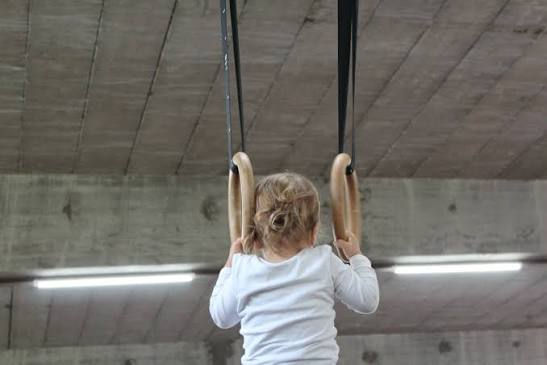
The decision to buy gymnastics equipment for home use is not one most parents take lightly. The price points can be significant, the safety implications are real, and the range of options available is wide enough to make comparison genuinely difficult. A little groundwork before purchasing can save a lot of frustration and ensure the equipment actually gets used safely and consistently.
The most important thing to understand upfront is that gymnastics equipment for home use is not the same as the kind used in recreational play. It is training equipment, and it needs to be treated accordingly, from how it is selected to how it is set up and supervised.
Why Age and Skill Level Should Drive Every Decision
Equipment that is appropriate for a ten-year-old at an intermediate level is not appropriate for a six-year-old who has just started a beginners program. This seems obvious, but it is easy to get drawn into purchasing something more advanced than necessary based on price-per-year-of-use reasoning or assumptions about how quickly a child will progress.
Start with what the child is currently working on in their club or class. Talk to their coach if you are unsure. Most coaches are happy to advise on what equipment would complement their training at home, and they can flag anything that would be premature or potentially counterproductive.
Understanding Weight Limits and Structural Ratings
Every piece of gymnastics equipment carries a weight rating, and that rating exists for a reason. Exceeding it, even slightly, introduces structural risk that may not be immediately visible but compounds over time with repeated use.
Beyond weight limits, look at how the equipment is constructed. Bars with steel frames and fibreglass rails tend to offer more flex and a safer feel underhand compared to fully rigid setups. Welded joints are generally more reliable than bolted connections that can loosen with regular use and vibration. Reading specifications carefully before purchasing, rather than relying on product photos alone, makes a genuine difference.
The Value of Buying Bar and Mat Together
Purchasing a bar and mat separately sounds straightforward until you discover that the mat you bought does not extend far enough beyond the bar's base, or that the thickness is not suited to the height of the bar. These are avoidable problems.
Parents researching Bar and Mat Combos often find that purpose-matched bundles remove this guesswork entirely. The mat dimensions are designed around the specific bar, which means landing zones are accounted for from the start rather than retrofitted after the fact.
It also tends to be more cost-effective than piecing together individual items, which matters when the total outlay is already meaningful.
What to Look for in a Gymnastics Mat
Not all mats are interchangeable. The right mat depends on the type of activity being practiced. Floor skills, conditioning, and stretching work well on a standard folding mat with moderate thickness. Bar dismounts and overhead work require a thicker crash mat that can absorb significantly more impact.
Folding mats are practical for home use because they store compactly and can be repositioned as needed. Look for mats with a durable vinyl cover that can be wiped down easily, and check that the foam density is appropriate for the activity rather than opting for the lightest or cheapest option available.
Setting Up the Equipment Correctly
Correct assembly is as important as correct selection. Equipment that is not assembled properly can shift, tip, or fail under load. Follow the manufacturer's instructions fully rather than improvising shortcuts, and check every connection point before a child uses the setup for the first time.
For bars with adjustable height settings, verify that the locking mechanism is fully engaged at every session, not just when the bar is first set up. Height adjustments can gradually work loose with repeated use if the locking point is not checked regularly.
Talking to Your Child's Coach Before You Buy
This step is worth repeating because it is the one most parents skip. A coach who knows your child's current skill set and training plan can give specific, practical advice about what would and would not be useful at home. They can also flag whether certain skills should remain club-only for the time being, which shapes what equipment is actually worth investing in.
Home equipment works best as a complement to structured training, not a replacement for it. Keeping that relationship with the club central to any purchasing decision helps make sure the home setup genuinely supports development rather than cutting across it.


