
Which New Mazda Is Right for Your Daily Commute?
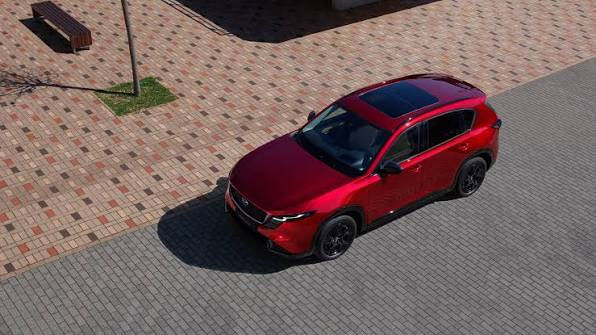
Choosing a new vehicle for your daily commute involves balancing comfort, fuel efficiency, convenience, and affordability. Whether you drive through busy streets, travel on highways, or combine your commute with family responsibilities, the right car can make every journey more enjoyable. Mazda offers several options, including compact cars and versatile SUVs designed for different driving preferences. Exploring new Mazda models in Bay Shore can help you compare available vehicles and identify one that fits your routine. By understanding the strengths of each model and evaluating your daily driving requirements, you can make a practical choice that serves you well for years to come.
1. Mazda3: Ideal for Everyday Commuting
The Mazda3 is a strong option for drivers who want a compact vehicle that combines practicality with an engaging driving experience. Available as a sedan or hatchback, it provides flexibility for commuters with different space requirements.
The sedan may appeal to drivers who prefer a traditional trunk and streamlined design. The hatchback offers a different cargo arrangement that can make transporting groceries, luggage, and everyday equipment more convenient.
Its compact dimensions can also make the Mazda3 easier to maneuver through traffic and park in crowded areas. For people who spend much of their time traveling between home, work, and local destinations, these characteristics can be especially useful.
Depending on the trim and model year, the Mazda3 may include smartphone connectivity, driver-assistance technology, and other comfort features. Before choosing a version, compare its fuel economy, available safety equipment, and interior features to determine which configuration best suits your needs.
2. Mazda CX-30: A Practical Small SUV
Drivers who prefer the higher seating position of an SUV may find the Mazda CX-30 appealing. This compact crossover combines a relatively manageable footprint with additional cargo flexibility compared with many traditional compact cars.
The CX-30 can be suitable for commuters who want a vehicle that feels comfortable on city streets while providing space for shopping bags, backpacks, and weekend essentials. Its elevated seating position may also appeal to drivers who prefer a higher view of surrounding traffic.
For everyday use, consider how easily the vehicle fits into your parking space and whether its rear seating and cargo area meet your regular requirements. Although the CX-30 provides SUV versatility, its smaller size means it may not offer the same passenger or cargo capacity as larger crossovers.
Features and powertrain availability vary by model year and trim. Comparing different configurations can help you identify the right combination of technology, comfort, and performance without paying for features you do not need.
3. Mazda CX-5: A Comfortable Balance of Space and Convenience
The Mazda CX-5 is worth considering for commuters who want more interior flexibility without moving to a full-size SUV. Its compact SUV design makes it suitable for daily transportation, family errands, and occasional longer journeys.
The additional cargo space can be helpful for drivers who regularly carry groceries, sports equipment, work supplies, or luggage. Its rear seating also provides flexibility for transporting passengers when commuting becomes part of a shared family routine.
Comfort is another important consideration. If your commute involves considerable highway driving, pay attention to seat support, cabin noise, visibility, and ride quality during a test drive. These details can make a noticeable difference over time.
The CX-5 may also appeal to drivers who want a balance between everyday practicality and responsive handling. However, fuel consumption and purchase costs should be compared with those of smaller vehicles before making a decision.
When reviewing available models, confirm the model year, trim level, and included technology. Equipment and specifications can differ, so evaluating the exact vehicle is more useful than relying on general descriptions alone.
4. Mazda CX-50: For Drivers Who Want Added Versatility
The Mazda CX-50 is another option for commuters who prefer an SUV with a versatile design. It may suit drivers whose routines extend beyond the office to outdoor activities, weekend trips, and transporting larger items.
Its practical layout can accommodate everyday belongings while providing the flexibility expected from a compact crossover. Depending on the configuration, available features may include advanced driver-assistance systems, smartphone integration, and different powertrain options.
The CX-50 can be especially attractive to people who want a vehicle that serves several purposes throughout the week. A daily commute, a grocery run, and a weekend outing may all require different combinations of comfort and cargo space.
However, buyers should consider whether the vehicle's dimensions and operating costs match their routine. If most journeys involve short trips and tight parking spaces, a Mazda3 or CX-30 might be more convenient. Drivers who regularly carry passengers or equipment may appreciate the additional flexibility of the CX-50.
Comparing the CX-50 with other Mazda SUVs can help you decide whether its features justify the difference in price.
5. Consider Fuel Efficiency and Your Driving Pattern
Fuel efficiency is an important factor when selecting a vehicle for regular commuting. Even small differences in fuel consumption can influence your annual transportation budget when you drive frequently.
Start by estimating how many miles you travel each day and how often you encounter stop-and-go traffic. A driver with a short urban commute may have different priorities from someone who travels long distances on highways.
Compare the official fuel-economy ratings of the specific models and powertrains you are considering. Actual results can vary according to traffic, driving habits, weather, tire condition, and vehicle maintenance.
You should also evaluate the relationship between fuel economy and purchase price. A more efficient vehicle may reduce fuel expenses, but the overall financial benefit depends on how much you drive and how long you keep the car.
Beyond fuel costs, consider insurance, scheduled maintenance, tires, and financing. Looking at the complete cost of ownership provides a more realistic picture of affordability than focusing only on the sticker price.
6. Prioritize Safety and Technology
Safety features can make daily commuting more manageable by helping drivers stay aware of their surroundings. Depending on the Mazda model, year, and trim, available technologies may include automatic emergency braking, blind-spot monitoring, lane-departure warnings, and adaptive cruise control.
Before buying, check which systems are included in the specific vehicle rather than assuming every trim offers identical equipment. Review independent safety ratings and understand the limitations of driver-assistance technologies, which support rather than replace attentive driving.
Infotainment features can also improve everyday convenience. Smartphone integration may make navigation, calls, and audio easier to access, while clear displays and intuitive controls can reduce distractions.
During a test drive, evaluate visibility, seating comfort, mirror placement, and the ease of operating the vehicle's controls. A vehicle that feels comfortable and intuitive in real traffic may be a better daily companion than one chosen solely for its appearance.
7. Match Your Final Choice to Your Budget and Lifestyle
Once you have identified suitable Mazda models, compare their prices, available trims, financing options, and included features. Establish a spending limit that accounts for the full cost of ownership, including insurance, fuel, maintenance, and registration.
Think about your needs over the next several years as well. A single commuter may prefer a compact sedan, while someone planning for a growing family may value the additional flexibility of an SUV.
Arrange test drives of your leading options and follow a route similar to your normal commute. Pay attention to acceleration, braking, road noise, maneuverability, and how comfortably you can enter and exit the vehicle.
Taking these steps allows you to compare real-world practicality instead of relying entirely on specifications or styling.
Conclusion
The right new Mazda for your daily commute depends on your driving habits, passenger needs, budget, and personal preferences. The Mazda3 offers compact practicality, the CX-30 provides small-SUV flexibility, the CX-5 balances space and convenience, and the CX-50 suits drivers seeking additional versatility.
Before making a decision, compare fuel economy, safety features, comfort, technology, and long-term ownership costs. Test-driving your preferred models can help you determine which vehicle feels best in everyday conditions.
By matching a Mazda's strengths to your actual routine, you can choose a vehicle that makes commuting more comfortable, convenient, and enjoyable while supporting your needs beyond the daily drive.


