
Why White Frames Became the Sleeper Hit of Summer 2026
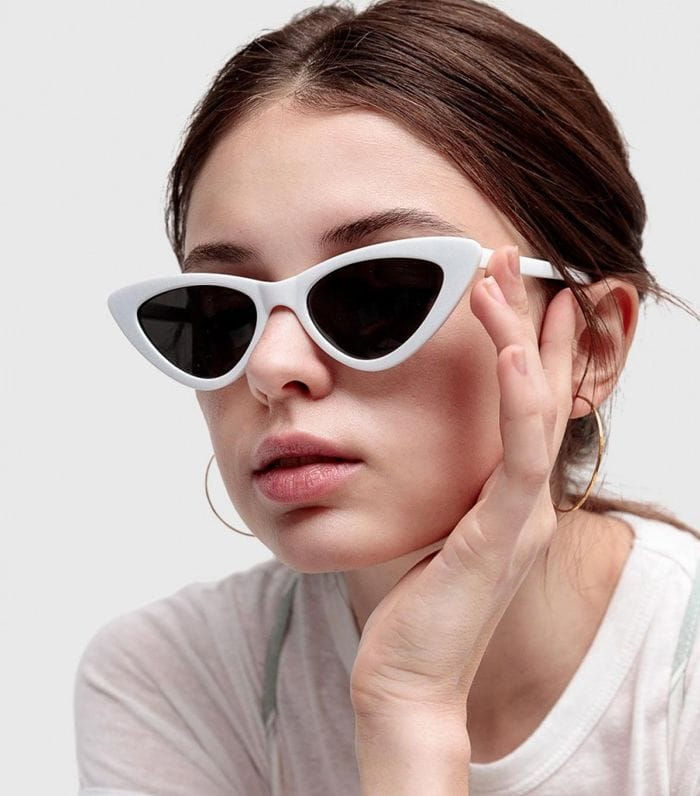
Every trend season has a headline shape and a handful of colors doing the actual work in real closets. This summer, oversized silhouettes and warm tortoise tones got most of the coverage. White frames did not get a headline moment, but they kept showing up anyway, in street style photos, on vacation feeds, and in the "bolder options" line of nearly every roundup written about the season.
This guide covers:
• Why white sunglasses gained ground without becoming the season's main story
• How to style white frames so they read intentional rather than novelty
• What actually happens to white acetate over time and how to slow it
• Whether frame color has any real effect on UV protection
At a Glance
Takeaway | Detail |
Trend status | White frames were a secondary mention in most 2026 roundups, not the lead trend, which is part of why the shade reads fresh rather than overexposed |
Styling rule | Keep the rest of the outfit closer to neutral so the frame stays the focal point |
Best pairing | Denim, monochrome outfits, and warm skin tones all read well against white |
Material reality | White acetate is prone to yellowing from UV exposure and skin oils over time |
Prevention | Storage in a case and avoiding contact with sunscreen or perfume slows yellowing |
UV protection | Frame color has no effect on how much UV light the lenses block |
Occasion range | White frames flex from beach to smart-casual depending on lens tint and outfit structure |
Why White Became a Quiet Standout This Summer
Most of the 2026 sunglasses coverage led with oversized silhouettes, thick acetate, and the return of '90s wire frames. White showed up differently. Several trend roundups mentioned it in passing, grouped with sport-color combos and other options positioned as bolder alternatives to the season's default black and tortoise. That secondary placement is part of the reason the color has legs. It never got hyped hard enough to feel played out by midsummer.
The shade also solves a specific problem that oversized and heavily patterned frames create. A white frame reads as bold without adding visual weight to the face, since the pale tone recedes rather than competes with the rest of an outfit. That makes it an easier entry point for someone who wants to move away from a basic black pair without committing to something loud. Shoppers who want a bright, low-effort summer pair keep landing on white sunglasses for bright summer days instead of chasing the more editorial oversized shapes everyone else has already covered.
A merchandiser at a mid-size eyewear retailer noted that white and bone-toned frames sold at a steadier pace through the summer than most seasonal colorways, which tend to spike early and fade by August.
Styling White Frames Without Overdoing It
White reads differently depending on what surrounds it, more so than black or tortoise. Paired with denim, a plain tee, or a monochrome outfit, the frame looks deliberate. Paired with an outfit that is already busy with color or pattern, the same frame can read as an afterthought rather than a styling choice.
The safest starting point is contrast. A white frame against a black-and-white outfit creates a clean, high-contrast look that photographs well and works in both casual and smart-casual settings. Warmer skin tones tend to read especially well against white, since the pale frame brightens the face rather than washing it out. For anyone testing the color for the first time, sticking to a classic shape like an aviator or square frame keeps the look closer to timeless than trend-chasing, which matters if the goal is a pair that still looks right in a year or two.
Brand selection matters here too, since white frames vary widely in how warm or stark the finish reads in person. Shoppers comparing options across retailers, including Quay, often find the difference between a bone-toned white and a stark bright white changes how the frame photographs more than any other single detail.
What to Know Before You Buy
White frames carry one practical consideration that black and tortoise frames mostly avoid: the material itself changes over time. Acetate, the material most white sunglasses frames are made from, is prone to oxidation from UV exposure and contact with skin oils, sweat, and certain cosmetics. The result is a gradual yellowing that starts at the edges closest to the skin and around the front rim, where sun exposure is most direct. This is a known issue with clear and light-colored acetate specifically, since the discoloration is far more visible against a pale base than it would be on a dark frame.
The fix is mostly preventive rather than corrective. Storing the frame in a case when not in use, avoiding direct contact with sunscreen, perfume, and hairspray, and wiping the frame down after heavy sweat exposure all slow the process meaningfully. Once yellowing sets in deeply, it generally cannot be fully reversed, though an optician can sometimes buff out light surface discoloration.
Frame Color | Yellowing Risk | Best Environment |
White or bone acetate | Higher, visible early | Everyday wear with regular case storage |
Black acetate | Low, discoloration is not visible | Any environment |
Tortoise acetate | Low to moderate, pattern masks fading | Any environment |
Clear or translucent acetate | Highest, discoloration shows fastest | Occasional wear or careful storage |
One myth worth correcting before buying: frame color has no bearing on how much UV light the lenses actually block. Protection comes from the lens coating and material, not the color of the frame around it, so a white pair with a proper 100 percent UV or UV400 label offers the same protection as a black pair with the same label. Darker lenses do not automatically mean better protection either, a distinction that matters more than most shoppers realize when comparing pairs side by side.
Wearing the Trend Without It Feeling Like a Trend
White sunglasses work because they solve a real styling problem rather than because they are new. The color reads bold without adding bulk, it pairs cleanly with warm skin tones and simple outfits, and it sidesteps the fatigue that comes with chasing whatever shape led the season's coverage.
Key Takeaways
• Choose a classic frame shape in white to keep the look closer to timeless than trend-driven
• Store the frame properly and limit contact with sunscreen or perfume to slow yellowing
• Confirm a genuine 100 percent UV or UV400 label rather than assuming frame color affects protection
The frames that tend to stay in rotation past a single summer are usually the ones bought for how they actually wear day to day, not for how they photographed in a single roundup. White earns a spot on that list this year.
Frequently Asked Questions
Are white sunglasses actually in style for summer 2026?
Yes, though the color has stayed a secondary mention in most trend coverage rather than the season's headline story. Multiple roundups grouped white frames with other bolder alternatives to black and tortoise, and the steadier sales pace this summer suggests the color has staying power beyond a single trend cycle.
Do white sunglasses frames turn yellow over time?
White and bone-colored acetate frames are prone to yellowing from UV exposure and contact with skin oils, sweat, and cosmetics like sunscreen or perfume. The discoloration typically starts at the edges closest to the skin. Proper storage and limiting chemical contact can slow the process significantly, though deep yellowing generally cannot be fully reversed.
Does frame color affect how much UV protection sunglasses provide?
No. UV protection comes from the lens material and coating, not the color of the frame or the darkness of the lens tint. A white frame with a genuine 100 percent UV or UV400 label offers the same protection as any other frame color carrying that same label.
What skin tones or outfits pair best with white sunglasses?
Warmer skin tones tend to read especially well against white frames, since the pale tone brightens rather than washes out the face. For outfits, denim, monochrome looks, and simple color palettes tend to work best, since a busier outfit can make the frame read as an afterthought rather than an intentional choice.
Can men wear white sunglasses?
Yes. White frames have become increasingly common in men's eyewear, particularly in classic shapes like aviators and squares. Pairing them with a simple, largely neutral outfit tends to read as more deliberate than pairing them with an already busy look.
What face shapes work best with white frames?
The same contrast principle that applies to any frame color applies here: round faces generally suit more angular white frames, while square faces tend to look more balanced in rounder white shapes. Oval faces have the most flexibility and can typically wear most white frame styles without issue.


