
Why Ants Keep Appearing Between Patio Pavers During the Summer
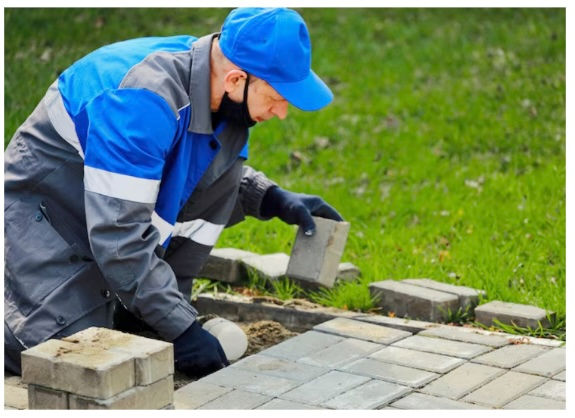
A patio can look perfectly clean in the morning and show tiny piles of sand between the pavers by the afternoon. In Florida, especially during the summer, this is a familiar sight for many homeowners. Ants seem to appear almost overnight, moving through the joints, pushing material onto the surface, and creating small openings that make a finished patio look unexpectedly disturbed.
The problem often becomes more noticeable during hot, wet weather. Florida summers combine high temperatures, frequent rain, humidity, active landscaping, outdoor dining, and fast plant growth. Together, those conditions create an environment where ants can find moisture, shelter, and food close to paved areas.
The important thing to understand is that ants between patio pavers are not simply a surface-cleaning problem. In many cases, what homeowners see above the pavers is only a sign of activity occurring below or beside them.
Understanding why the ants are there makes it easier to deal with the cause rather than repeatedly sweeping away the evidence.
Why Patio Paver Joints Attract Ants
Paver patios are designed with small joints between individual stones. Those joints are normally filled with sand or another joint material that helps stabilize the surface.
To ants, however, these spaces can also provide convenient access to sheltered areas below the patio.
Loose Joint Material Is Easy to Move
Some ant species excavate soil or fine material while creating nesting areas and tunnels. When the material between pavers becomes loose, washed out, or disturbed, ants may find it easier to move.
The small piles of sand or grit that appear around patio joints are often material being brought up from below the surface.
This does not necessarily mean the entire patio has been damaged. It does mean the joint area is experiencing enough activity to deserve attention.
Regular inspection can help homeowners notice whether the problem is limited to one corner or spreading across multiple sections of the patio.
Florida Summer Weather Creates Ideal Conditions
Summer weather in Florida is not simply hot. It is also humid, rainy, and highly variable.
A patio can experience intense sunshine in the morning, a heavy thunderstorm in the afternoon, and warm, damp conditions overnight. That combination affects both ants and the materials surrounding outdoor hardscapes.
Heat Increases Insect Activity
Ant colonies generally become more active during warmer periods because temperature influences foraging, movement, and colony behavior.
As outdoor temperatures rise, homeowners may notice more ants crossing:
Patio edges;
Walkways;
Driveways;
Pool decks;
Garden borders;
Retaining walls;
Foundation edges.
Rain Changes Where Ants Travel
Frequent rain can also change ant behavior.
When soil becomes saturated, colonies may move toward areas that provide better drainage or shelter. Raised paved surfaces, patios, and the soil immediately beside hardscaping can become part of those movement routes.
Rainwater can also wash joint material away, creating gaps that make certain sections of a paver surface easier for insects to enter or disturb.
Moisture Around Pavers Can Encourage Activity
Ants need access to water just like other living organisms. Moisture around a patio can therefore make the area more attractive.
The moisture may come from rainfall, but it can also come from irrigation systems and landscaping.
Sprinklers May Keep Patio Edges Damp
A sprinkler head that regularly sprays across the edge of a patio can create a consistently moist zone.
Homeowners may not think much about the small amount of water reaching the pavers because the surface dries quickly. The soil underneath or beside the patio, however, may remain damp much longer.
Checking irrigation coverage can reveal whether water is being directed toward areas where it is not needed.
Poor Drainage Can Create Persistent Dampness
Water should move away from patios rather than collect beside them.
Low spots, clogged drainage routes, compacted soil, or poorly positioned landscaping can allow moisture to linger.
Persistent dampness does not automatically cause an ant problem, but it can help create conditions that make an area more appealing.
Food Sources May Be Closer Than You Think
Patios are often extensions of the living space.
Families cook outside, children eat snacks, pets drink from bowls, and guests gather around outdoor furniture. Even when a patio looks tidy, tiny food sources may remain.
Ants are extremely effective at locating them.
A few crumbs underneath a table may be enough to attract foraging ants. Sugary drink residue, grease near a grill, fallen fruit, pet food, or spilled sauces can also create a reliable food source.
Outdoor Kitchens Need Regular Cleaning
Outdoor grills and kitchens deserve particular attention.
Grease and food particles can collect underneath appliances, around cabinets, or between equipment and walls. Because these areas are less visible, they may not receive the same regular cleaning as the main patio surface.
A simple routine can make a difference:
Wipe outdoor tables after meals.
Clean spills when they occur.
Sweep beneath furniture and cooking areas.
Store pet food indoors when possible.
Keep trash containers closed.
Rinse and clean areas around grills periodically.
Landscaping Can Bring Ants Close to the Patio
Many Florida patios are surrounded by plant beds, palms, shrubs, mulch, decorative stones, or turf.
These features make outdoor areas attractive, but they also create natural habitat close to the pavers.
Mulch Can Hold Moisture
Mulch is useful for landscaping because it helps regulate soil temperature and reduce moisture loss. Those same characteristics can create a sheltered environment where insects remain active.
If mulch is piled directly against the edge of a patio, ants may only need to travel a very short distance before reaching the paver joints.
Creating a clean boundary and avoiding excessive mulch buildup can make inspection easier.
Dense Plants Can Hide Activity
Thick vegetation can conceal ant trails and nesting areas.
Homeowners may notice ants emerging from the patio without realizing that the colony is actually located in a nearby planting bed.
Trimming vegetation and keeping a visible border around hardscape areas makes it easier to identify where insects are coming from.
Fallen Fruit and Plant Material Can Attract Insects
Florida landscapes often include fruiting trees, flowering plants, and ornamental vegetation.
Fallen fruit, nectar, plant sap, and organic debris can attract a variety of insects. Ants may then become active in the same area while searching for food.
Keeping landscaped areas tidy can reduce some of these opportunities.
Why Sweeping the Sand Away Does Not Solve the Problem
When homeowners see loose sand on the surface, the natural reaction is to sweep it away.
That improves the patio's appearance, but it does not address why the material is appearing.
If ants are actively excavating below the pavers, new piles may return shortly afterward.
Repeatedly adding joint sand can have the same limitation. It may restore the appearance of the surface temporarily, but the material may continue to be disturbed until the underlying pest activity is controlled.
This is why it helps to treat the situation as two separate issues:
The ant activity itself;
The condition of the paver joints afterward.
Finding the Source of the Ant Activity
Ants visible on the patio may not be nesting directly underneath it.
They may be traveling from a nearby lawn, planting bed, crack, wall, tree, or structure.
Watching where the ants move can provide useful clues.
Follow the Trail Before Cleaning
Instead of immediately spraying or washing away ants, observe their movement for a few minutes.
Look for patterns.
Are they disappearing into one particular joint?
Are they traveling toward a flower bed?
Are they following the patio perimeter?
Are they entering from underneath a wall or edging stone?
Identifying the route can make pest treatment more targeted.
Check More Than the Most Visible Spot
The largest sand pile is not always the most important location.
Inspect nearby areas for:
Small openings between pavers;
Repeated ant trails;
Loose joint material;
Damp edges;
Disturbed soil;
Nearby mulch;
Cracks around adjoining structures.
Professional Pest Treatment May Be Appropriate
Small, occasional ant activity may be manageable through improved cleaning, moisture control, and basic household pest measures.
Persistent or widespread activity is different.
If ants repeatedly return, appear in multiple sections of the property, or begin entering the home, professional pest-control evaluation may be worthwhile.
A pest professional can help identify the ant species and determine where the colony is likely located.
That distinction matters because ant behavior varies between species, and treatment methods that work for one type may not be appropriate for another.
The goal should be to control the active pest issue rather than simply removing visible workers from the patio surface.
Repairing Paver Joints After Ant Activity Is Controlled
Once ant activity has been addressed, homeowners can turn their attention to the pavers themselves.
If joint material has been excavated or washed away, the affected areas may need to be cleaned and refilled.
Joint maintenance supports the overall stability and appearance of the patio.
The exact approach depends on the condition of the installation. Some patios may only need limited joint replenishment, while older surfaces may benefit from more comprehensive cleaning and maintenance.
This is also the stage when homeowners sometimes consider professional options such as Riverview paver sealing for driveways and patios as part of a broader hardscape-maintenance plan.
Sealing should not be viewed as a substitute for pest treatment. If ants are actively nesting beneath or beside the patio, that issue should be handled first.
What Paver Sealing Actually Does
Paver sealing is primarily a surface-maintenance process.
Depending on the product and installation method, sealing can help protect pavers from weather exposure, make surfaces easier to maintain, enhance their appearance, and support properly prepared joint material.
The important phrase is properly prepared.
Before sealing, contractors generally need to evaluate the condition of the pavers and joints. Applying a surface treatment over unresolved problems can leave the underlying cause untouched.
For homeowners who have recently experienced ant activity, that means pest control and joint repair should come before cosmetic finishing.
Summer Rain Can Gradually Affect Joint Material
Ant activity is not the only reason joint sand disappears.
Florida's heavy summer rain can gradually move fine material from exposed joints, especially on surfaces that have already experienced years of weather exposure.
Pressure washing can also contribute when excessive pressure is directed into the joints.
As the material level drops, gaps may become more noticeable.
Homeowners should therefore inspect paver surfaces after major cleaning or periods of repeated storms.
Signs worth watching include:
Deeper-than-normal joints;
Loose sand collecting along edges;
Individual pavers beginning to shift;
Visible gaps;
Weeds growing between joints;
Recurring insect activity.
A Simple Summer Patio Maintenance Routine
Regular maintenance does not need to be complicated.
A few quick checks can help homeowners spot problems before they become widespread.
Weekly Checks
Walk around the patio and look for new sand piles, ant trails, food residue, standing water, and clogged drainage areas.
Sweep the surface and clean obvious spills.
Monthly Checks
Inspect paver joints more closely.
Check whether irrigation systems are spraying onto the patio unnecessarily and trim vegetation that has started growing over the edges.
Look underneath movable furniture, planters, and grills where moisture and debris may collect unnoticed.
After Heavy Storms
Once the surface has dried, check drainage paths and low areas.
Look for washed-out joint material or new insect activity.
Storms can quickly change conditions around a patio, so a brief inspection afterward can reveal issues that were not present earlier.
Avoid Treating Every Patio Problem as a Paver Problem
One of the easiest mistakes is assuming that visible changes between pavers must be caused by the paving installation itself.
Sometimes the pavers are simply revealing a separate issue.
Ants, water movement, soil conditions, landscaping, irrigation, and food sources can all influence what happens around the joints.
That is why the order of maintenance matters.
If ants are the underlying problem, deal with the ants first. If drainage is contributing to the problem, improve water management. If joint material has been disturbed, repair the joints.
Only after those steps should homeowners consider broader surface-maintenance options.
Creating a Less Attractive Environment for Ants
No outdoor Florida patio can be made completely insect-proof.
The climate naturally supports a wide range of insect life, and ants are highly adaptable.
Homeowners can, however, make paved areas less attractive by combining several simple habits.
Keep food and sugary residues off the patio. Avoid leaving pet bowls outdoors for long periods. Correct sprinkler overspray. Remove decaying plant material. Maintain drainage. Keep mulch from accumulating heavily against paver edges. Watch for recurring trails.
These measures work best together.
A dry, clean, regularly inspected patio gives ants fewer reasons to establish consistent activity near the living space.
Final Thoughts
Ants appearing between patio pavers during a Florida summer are usually responding to conditions around the patio rather than appearing for one simple reason.
Heat increases activity. Rain changes soil and nesting conditions. Moisture can remain around paver edges. Food attracts foraging workers. Nearby landscaping provides shelter, while loose or weathered joint material can make movement between pavers easier.
For homeowners, the most effective approach is to look beyond the small piles of sand on the surface.
Start by identifying where the ants are coming from and what may be attracting them. Address food, moisture, landscaping, and pest activity first. Then inspect the paver joints and restore disturbed material where necessary.
Taking those steps in the right order helps protect both the appearance of the patio and the condition of the surrounding outdoor space, making summer maintenance far easier to manage.


