
Why Choose Aluminium Heat Insulation KL for Your Property?
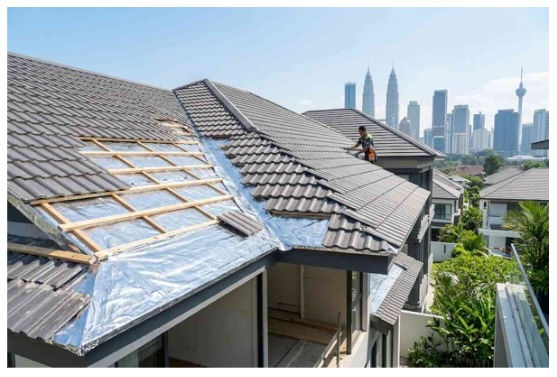
Living in Kuala Lumpur means dealing with warm temperatures, strong sunlight, and high humidity throughout much of the year. These conditions can cause buildings to absorb significant amounts of heat, making indoor spaces uncomfortable and increasing the need for air conditioning. For homeowners, offices, warehouses, and commercial properties, choosing an effective insulation solution can make a noticeable difference in comfort and energy use. Aluminium heat insulation KL is one option designed to help reduce the amount of radiant heat entering a property.
Aluminium insulation works by reflecting a significant portion of radiant heat rather than allowing it to pass directly into the building. When properly selected and installed, it can complement other building materials and insulation methods to create a more comfortable indoor environment. Its lightweight construction, versatility, and durability also make it suitable for a range of property types. Understanding its benefits can help property owners decide whether it is appropriate for their specific needs.
Why Choose Aluminium Insulation in KL?
1. Reduces Heat Transfer
One of the main purposes of Aluminium heat insulation KL is to reduce heat transfer caused by radiant heat. Aluminium has a highly reflective surface that can redirect radiant energy away from an insulated area when the system is installed correctly. This can help reduce the amount of solar heat reaching the interior of a building, particularly through roofs and other exposed surfaces.
Reducing heat gain can be especially valuable for properties with large roof areas or spaces directly beneath metal roofing. By limiting the amount of heat entering the building, insulation can help create a more stable indoor environment. The effectiveness of the system, however, depends on factors such as installation quality, ventilation, air gaps, building design, and the specific insulation product used.
2. Improves Indoor Comfort
Excessive heat can make rooms uncomfortable, particularly during the hottest parts of the day. A well-designed insulation system can help reduce heat entering living and working areas, allowing indoor temperatures to remain more comfortable. This can be beneficial for bedrooms, offices, workshops, retail spaces, and other occupied areas.
Aluminium insulation can also help reduce the impact of hot roof surfaces on rooms located directly underneath them. Instead of relying entirely on air conditioning to manage heat, property owners can combine insulation with ventilation, shading, and efficient cooling systems. This creates a more comprehensive approach to maintaining comfortable indoor conditions.
3. Supports Energy Efficiency
Air conditioning is commonly used to maintain comfortable indoor temperatures in Kuala Lumpur. When a building experiences substantial heat gain, cooling equipment may need to operate for longer periods. Reducing heat entering the building can support more efficient operation by lowering the cooling demand under suitable conditions.
There are several factors that determine actual energy savings, including building orientation, insulation coverage, window areas, air leakage, occupancy, and cooling-system efficiency. Aluminium insulation should therefore be viewed as one part of an overall energy-efficiency strategy rather than a standalone solution. When combined with appropriate building design and efficient equipment, it can contribute to better thermal performance.
4. Suitable for KL’s Climate
Kuala Lumpur experiences a hot and humid tropical climate, making heat management an important consideration for property owners. Roofs and exposed walls can receive considerable solar radiation, while high outdoor temperatures can make it harder to maintain comfortable indoor conditions. Reflective insulation can be useful in applications where radiant heat is a significant concern.
The material can be particularly relevant for properties with metal roofs, roof spaces, extensions, and other areas exposed to strong sunlight. Choosing the right product for local environmental conditions is important because insulation systems differ in construction, thickness, reflectivity, and installation requirements. Professional assessment can help determine the most suitable approach for a particular building.
5. Lightweight Material
Aluminium-based insulation products can be relatively lightweight compared with some traditional building materials. This characteristic can make handling and installation more convenient, especially in roof areas where adding excessive weight may be undesirable. Lightweight materials can also be useful when working on existing structures rather than constructing an entirely new building.
Their manageable weight may simplify transportation, cutting, positioning, and installation. Nevertheless, the overall weight and structural requirements depend on the complete insulation system, including any supporting materials or additional layers. Property owners should always ensure that installation follows the manufacturer's recommendations and the requirements of the building.
6. Versatile Applications
Aluminium heat insulation KL can be used in different areas and property types, making it a flexible option for thermal management. Depending on the product and building design, common applications include:
Residential properties: Suitable for roofs, ceilings, and selected wall areas in houses and apartments.
Commercial buildings: Can be incorporated into offices, shops, and other commercial spaces.
Warehouses and industrial facilities: Useful for helping manage heat in large structures with extensive roof surfaces.
Workshops and extensions: Can provide an additional layer of thermal protection in areas exposed to direct sunlight.
Roofing systems: Particularly useful where radiant heat from metal or other exposed roofing materials is a concern.
The appropriate application depends on the property's construction, existing insulation, ventilation, and specific thermal requirements. Professional assessment can help determine where aluminium insulation can provide the most practical benefit.
7. Low Maintenance
Once properly installed, Aluminium heat insulation KL generally does not require the same level of routine attention as mechanical cooling equipment. A properly protected insulation layer can remain in place while the property's occupants continue their normal activities. This can make it a convenient component of a long-term building maintenance strategy.
However, low maintenance does not mean completely maintenance-free. Property owners should occasionally inspect accessible areas for damage, moisture problems, loose sections, or deterioration of surrounding building components. Keeping roofs, ventilation areas, and installation points in good condition can help preserve the overall performance of the insulation system.
8. Long-Term Property Value
Thermal performance can be an important consideration when maintaining or improving a property. A building that provides better indoor comfort and manages heat effectively can be more attractive to occupants. Property owners may also combine insulation upgrades with other maintenance work, such as hiring a Wall repair contractor KL to address damaged or deteriorating walls before completing broader property improvements.
The value gained from insulation depends on the quality of the installation, the property's design, local market conditions, and the expectations of future occupants. Aluminium insulation should therefore be considered as part of broader property improvements rather than as a guaranteed increase in market price. When appropriately selected and installed, however, it can contribute to a more comfortable and functional building.
Why Hire Cisco Waterproofing?
Cisco Waterproofing can be a suitable choice for property owners looking for professional waterproofing and building protection services. With attention to common property concerns such as water seepage, moisture, and surface protection, the company can help support the condition and durability of residential and commercial buildings. Professional waterproofing can also complement insulation and other property improvement projects by helping protect building surfaces from moisture-related problems.
Choosing an experienced service provider can make property maintenance more organized and effective. The contractor focuses on practical solutions designed around the requirements of each property, helping customers address waterproofing concerns while maintaining the overall functionality of their buildings. For property owners planning maintenance, repair, or protection work, professional assessment can help identify suitable solutions before problems become more extensive.
For more information about Cisco Waterproofing and its services, visit:
Conclusion
Choosing the right insulation is important for properties exposed to Kuala Lumpur's warm tropical conditions. Aluminium insulation can help reduce radiant heat transfer, improve indoor comfort, support energy efficiency, and provide a practical solution for different types of buildings. Its lightweight characteristics and versatile applications can also make it suitable for both new projects and selected improvement work.
For the best results, property owners should consider the building's roof, walls, ventilation, orientation, existing insulation, and cooling requirements before selecting a product. Professional installation can further help ensure that the insulation performs as intended. With the right approach, Aluminium heat insulation KL can become a useful part of a property's long-term strategy for managing heat and improving indoor living or working conditions.


