
Why Do Indoor Cats Still Need Veterinary Care?
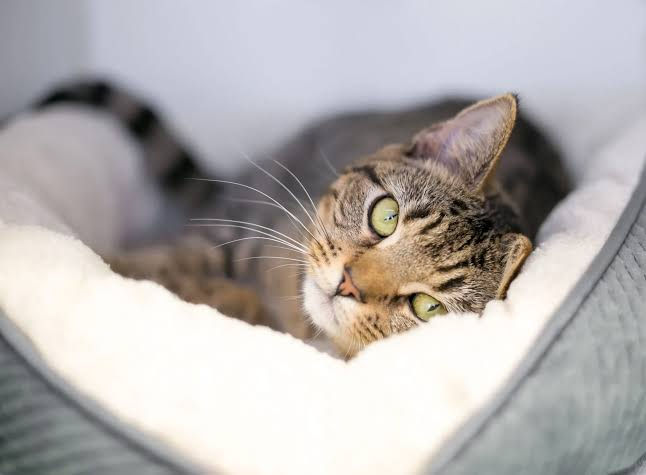
Many cat owners assume that because their feline companion never steps outside, it is somehow protected from illness, injury, and the general wear and tear of life. This is one of the most common misconceptions in pet ownership, and it leads countless indoor cats to miss out on care that could catch problems early or prevent them altogether. Indoor cats absolutely still need regular visits to a cat veterinary clinic, and understanding why can help you keep your companion healthier for years to come.
The Indoor Safety Myth
It is easy to see where the assumption comes from. Outdoor cats face obvious dangers: cars, predators, fights with other animals, exposure to parasites, and contact with diseases carried by other cats. Keeping a cat indoors does remove many of these risks, and that is a genuinely good thing for their safety and longevity.
However, "safer" is not the same as "safe from everything." Indoor cats still age, still develop chronic conditions, still pick up parasites from the air, from other pets in the home, or from items brought in from outside, and still experience dental disease, obesity, and organ decline just like any other cat. The absence of outdoor hazards does not mean the absence of all health risks. A cat veterinary clinic sees indoor-only cats with serious conditions all the time, often because those conditions were allowed to progress silently for longer than they would have if the owner had assumed the cat might get sick.
Cats Are Experts at Hiding Illness
One of the biggest reasons indoor cats need consistent veterinary attention is rooted in feline instinct rather than lifestyle. Cats are descended from solitary hunters that were also, at times, prey animals. In the wild, showing weakness could make a cat a target, so cats evolved to mask pain, discomfort, and illness extremely well.
This means a cat can be suffering from kidney disease, arthritis, dental pain, or even cancer while still eating, grooming, and behaving in ways that seem mostly normal to an untrained eye. By the time obvious symptoms appear, such as significant weight loss, lethargy, or refusal to eat, the underlying condition may already be advanced. Regular visits to a veterinarian allow for bloodwork, physical exams, and screening tests that can catch these problems long before your cat shows any outward sign that something is wrong.
Parasites Do Not Require an Open Door
Another misconception is that parasites are strictly an outdoor problem. In reality, fleas can hitch a ride into your home on clothing, shoes, or other pets. Mosquitoes, which transmit heartworm disease, can get into a house through an open window, a door left ajar for even a moment, or a small gap in a screen. Indoor cats can and do contract heartworms, and unlike dogs, there is no approved treatment to cure heartworm disease in cats once they have it. Prevention through veterinary-recommended medication is the only reliable protection.
Intestinal parasites are another concern. Some are transmitted through contact with other household pets, through flea ingestion during grooming, or even through contaminated soil tracked in on human shoes. A veterinarian can test for these parasites and recommend appropriate preventive care tailored to an indoor lifestyle, which often differs from what is recommended for outdoor cats.
Dental Disease Is Extremely Common
Dental disease affects the vast majority of cats by the time they reach middle age, and indoor cats are not exempt. Tartar buildup, gingivitis, and painful conditions like tooth resorption develop regardless of whether a cat ever goes outside. Left untreated, dental disease can lead to tooth loss, chronic pain, and infections that spread beyond the mouth to affect the heart, kidneys, and other organs.
Because cats hide pain so effectively, many owners do not realize their cat has a mouth full of infected, aching teeth until a veterinary exam reveals it. Routine dental checks at a cat veterinary clinic are one of the simplest ways to catch this early and spare your cat unnecessary suffering.
Weight Management and Chronic Disease
Indoor cats tend to be less active than their outdoor counterparts, which puts them at higher risk for obesity. Excess weight is not just a cosmetic issue; it is a major risk factor for diabetes, joint problems, liver disease, and a shortened lifespan overall. A veterinarian can track your cat's weight over time, identify trends before they become serious, and help you adjust diet and enrichment to keep your cat at a healthy size.
Chronic conditions such as kidney disease, hyperthyroidism, and diabetes also become more common as cats age, and indoor cats are just as susceptible as any other cat. Annual or biannual bloodwork, which becomes increasingly important as cats enter their senior years, allows a veterinarian to catch early markers of these diseases, often well before symptoms appear. Early detection frequently means more treatment options, a better prognosis, and a lower overall cost of care compared to addressing a disease once it has become advanced.
Vaccinations Still Matter
Some owners assume that if a cat never encounters other animals, vaccines are unnecessary. While it is true that an indoor cat's exposure risk is lower than that of an outdoor cat, it is rarely zero. Cats can escape briefly through an open door, encounter a bat or other wildlife that gets into the house, or be exposed to illness if they are ever boarded, moved to a new home, or brought to a veterinary clinic.
Rabies is a particularly important example. In many areas, rabies vaccination is legally required for all cats regardless of indoor or outdoor status, partly because of the small but real risk of exposure through an unnoticed encounter with a bat or other wildlife. Core vaccines protect against serious, sometimes fatal diseases, and a veterinarian can help determine an appropriate vaccination schedule based on your cat's specific risk factors and lifestyle.
Behavioral Changes Can Signal Medical Problems
Owners sometimes attribute changes in behavior, such as increased hiding, aggression, changes in litter box habits, or excessive vocalization, to personality quirks or aging. In many cases, these changes are actually signs of an underlying medical issue. Painful conditions like arthritis or dental disease can cause a cat to avoid the litter box if it requires painful movement to get in and out. Urinary tract issues can cause a cat to urinate outside the box entirely. Thyroid problems can cause increased vocalization and restlessness.
A veterinarian trained to recognize these connections can help determine whether a behavioral change has a medical root cause, something that is very difficult for an owner to determine on their own. Addressing the medical issue often resolves the behavior, which can also prevent long-term stress on both the cat and the household.
The Value of a Relationship With a Veterinary Clinic
Beyond the specific health issues above, there is real value in establishing an ongoing relationship with a trusted cat veterinary clinic. A veterinarian who sees your cat regularly becomes familiar with its normal weight, behavior, and bloodwork values, which makes it much easier to spot subtle changes that might otherwise go unnoticed. This baseline knowledge is especially valuable for identifying illness in its earliest, most treatable stages.
Regular visits also reduce stress over time. Cats that are only brought to the vet when something is seriously wrong often associate the clinic, carrier, and car ride with pain and fear. Cats that visit more routinely, even just for wellness checks, tend to become more comfortable with the process, which makes future visits, including emergency ones, less traumatic for everyone involved.
How Often Should Indoor Cats See a Veterinarian?
Most healthy adult indoor cats benefit from an annual wellness exam, while kittens need a more frequent schedule during their first year to complete initial vaccinations and monitor early development. Senior cats, generally considered those around seven years and older, often benefit from twice-yearly exams, since health changes can progress more quickly in older age and early detection becomes even more valuable.
Your veterinarian can help tailor a schedule based on your cat's age, breed, health history, and any existing conditions. A cat with a chronic illness, for example, may need more frequent monitoring than a healthy young adult.
FAQ: Common Questions About Veterinary Care for Indoor Cats
Do indoor cats really need vaccines if they never go outside? Yes. Exposure can still happen through open doors, windows, wildlife like bats getting indoors, or visits to groomers, boarding facilities, or veterinary clinics. Rabies vaccination is also legally required in many areas regardless of lifestyle.
How often should I take my indoor cat to the vet? In general:
Kittens: multiple visits during the first year for vaccines and development checks
Healthy adults: once a year
Senior cats (around seven and up): twice a year
Cats with chronic conditions: as often as your veterinarian recommends
Can indoor cats get fleas or heartworms? Yes. Fleas can enter the home on clothing, shoes, or other pets, and mosquitoes carrying heartworm can get indoors through small gaps, screens, or open doors. Heartworm disease has no cure in cats, making prevention essential.
What are signs that my indoor cat needs to see a vet sooner than scheduled? Watch for:
Changes in appetite or water intake
Litter box changes, including accidents outside the box
Lethargy or hiding more than usual
Vomiting, diarrhea, or noticeable weight change
Bad breath or visible dental issues
Is it normal for my cat to hide signs of illness? Yes, this is instinctual behavior rooted in a cat's evolutionary history as both predator and prey. It is one of the main reasons routine veterinary exams are so important, since many illnesses are not obvious until they have progressed.
Keeping Your Indoor Cat Healthy for the Long Run
Indoor living offers real protection from many hazards, but it does not eliminate the need for veterinary care. From hidden illness and dental disease to parasites, obesity, and chronic conditions, indoor cats face many of the same health risks as any other cat, simply from different sources. Partnering with a trusted cat veterinary clinic for regular wellness exams, vaccinations, and early screening gives your cat the best possible chance at a long, comfortable, and healthy life, no matter how much time it spends looking out the window instead of walking through the yard.


