
Why Estate Planning Deserves a Spot on Your To-Do List This Year
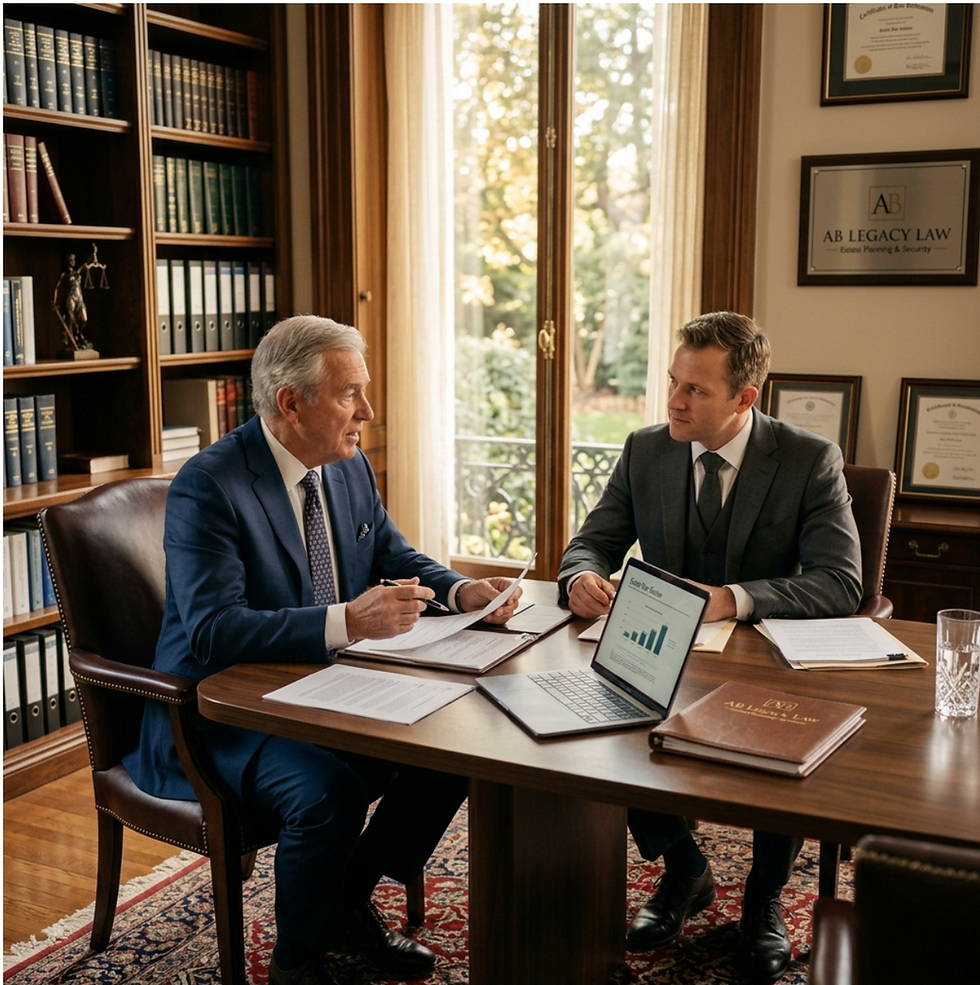
Most people put off estate planning because it feels like something for "someday." Someday, when the kids are older. Someday, when there's more money in the bank. Someday, when retirement feels closer than a distant dot on the calendar. But life rarely waits for someday, and the families who benefit most from having a plan in place are often the ones who started before they felt "ready."
Estate planning isn't just about deciding who gets what after you're gone. It's about protecting the people you love from confusion, conflict, and unnecessary financial strain during an already difficult time. A well-crafted plan can determine who makes medical decisions on your behalf if you can't, how your assets are distributed, and whether your children or dependents are cared for according to your wishes rather than a court's default assumptions.
This post breaks down what estate planning actually involves, why it matters at every life stage, and how working with the right team can turn a stressful process into a manageable, even empowering one.
What Does Estate Planning Actually Include?
Estate planning covers more ground than most people realize. It's not limited to writing a will, though that's often the starting point. A comprehensive plan typically addresses:
Wills and trusts dictate how assets are distributed and, in the case of trusts, how they're managed over time.
Powers of attorney that designate someone to handle financial or legal matters if you're incapacitated.
Healthcare directives that outline your medical wishes and appoint someone to make decisions if you can't speak for yourself.
Beneficiary designations on retirement accounts, life insurance policies, and other assets that pass outside a will.
Guardianship provisions for minor children or dependents who need ongoing care.
Each of these pieces works together to create a complete picture of your intentions, reducing ambiguity for the people left to carry them out.
Why Waiting Costs More Than You Think
There's a common misconception that estate planning is only necessary for the wealthy or the elderly. In reality, anyone with assets, dependents, or strong opinions about their own medical care benefits from having a plan.
Consider what happens without one. If someone passes away without a will, state law determines how their assets are divided, regardless of what they may have wanted. If someone becomes incapacitated without a healthcare directive, family members may be left arguing over medical decisions during an already emotional crisis. These situations are avoidable, but only if the groundwork is laid ahead of time.
Delaying estate planning also tends to compound stress rather than reduce it. Families dealing with probate court, unclear instructions, or legal disputes often spend more time, money, and emotional energy than they would have spent creating a plan in the first place.
How Life Changes Should Shape Your Plan
Estate plans aren't static documents meant to be signed once and forgotten. They should evolve alongside your life. A few common triggers for revisiting your plan include:
Getting Married or Divorced
Marriage and divorce both significantly change who should have authority over your affairs and who should inherit your assets. Failing to update beneficiary designations after a divorce, for example, could unintentionally leave assets to an ex-spouse.
Having Children or Grandchildren
New dependents raise questions about guardianship, education funding, and long-term financial support. A plan created before children were part of the picture likely needs revisiting.
Starting or Selling a Business
Business ownership introduces additional complexity, from succession planning to protecting business assets from personal liabilities. These details deserve dedicated attention within a broader estate plan.
Experiencing a Major Financial Shift
Whether it's an inheritance, a significant investment gain, or a career change, shifts in financial standing often warrant a second look at how assets are structured and protected.
The Emotional Side of Estate Planning
It's easy to think of estate planning purely in legal and financial terms, but there's an emotional dimension that shouldn't be overlooked. Having a plan in place offers genuine peace of mind. It means your loved ones won't be left guessing about your wishes during a time of grief. It means the people you trust most are legally empowered to act on your behalf if needed. And it means the legacy you've built, whether that's a family business, a home, or simply years of hard work, gets passed on the way you intended.
Many people describe finishing their estate plan as a weight lifted. That relief tends to ripple outward, easing potential tension between family members and reducing the odds of disputes down the road.
Finding the Right Guidance for Your Situation
Estate planning touches on legal, financial, and deeply personal territory, which is why working with experienced professionals matters so much. The right guidance ensures that documents are legally sound, tax implications are considered, and every detail reflects your actual wishes rather than generic templates.
AB Legacy Law Estate Planning brings clarity and confidence to a process that often feels overwhelming, helping individuals and families build plans tailored to their unique circumstances and long-term goals. Rather than treating estate planning as a one-size-fits-all checklist, the focus stays on understanding what matters most to each client, whether that's protecting a family home, providing for a child with special needs, or ensuring a business transitions smoothly to the next generation.
Working with knowledgeable professionals also means your plan stays current. Laws change, families grow, and financial situations shift. Having a trusted resource to revisit your plan periodically ensures it continues to reflect your life as it evolves.
Taking the First Step Toward Peace of Mind
Estate planning doesn't have to be complicated, and it certainly doesn't have to wait until "someday." The families who feel most prepared are the ones who treated planning as an ongoing process rather than a single overwhelming task.
If you've been putting off creating or updating your estate plan, consider this your reminder that the best time to start is now, not after a health scare, not after a major life change, and not after it's too late to make your wishes clear. A clear plan today means fewer questions and far more peace for the people you love tomorrow.


