
Why not every New Jersey town has a legal dispensary
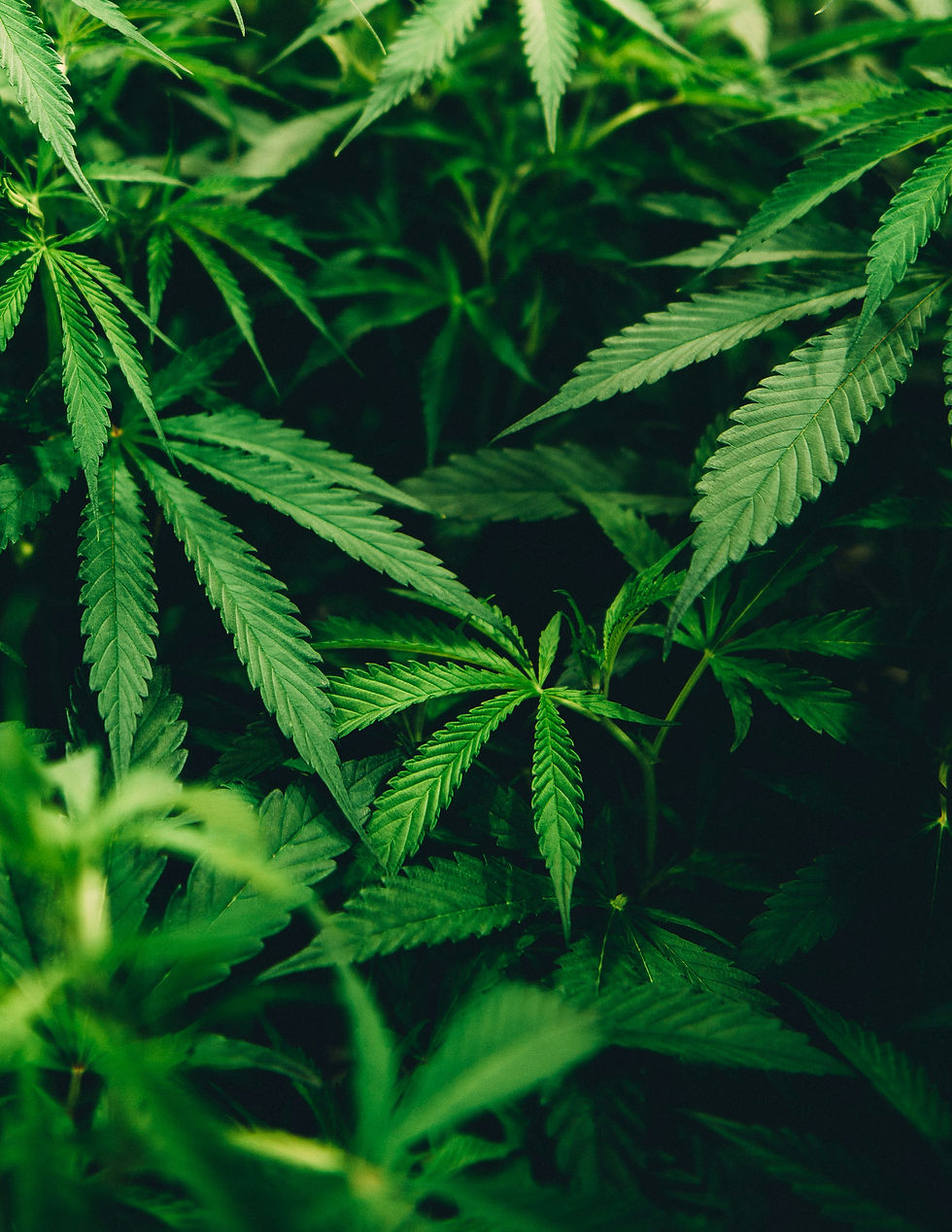
Drive 15 minutes past three or four towns with no dispensary in sight, and you'll eventually land somewhere that has one. That's not a coincidence or a supply problem. New Jersey built a legal cannabis market where each of its 564 municipalities gets to decide, on its own, whether a licensed store can open within its borders. Most have said no.
The deadline that split the state in two
The Cannabis Regulatory, Enforcement Assistance, and Marketplace Modernization Act became law in February 2021, and it handed local governments a narrow window to act. Every municipality had 180 days, ending August 21, 2021, to pass an ordinance banning cannabis businesses if that's what the town wanted. Any town that missed the deadline was automatically opted in for five years, with no way to reverse course during that stretch.
The incentives ran backward from what most people expect. Opting out cost a town nothing and could be undone at any time later. Opting in locked a town into allowing cannabis businesses for five years straight. Facing that asymmetry under a tight deadline, a large share of municipalities chose the safer, reversible option and banned cannabis businesses outright, even in towns where legalization itself had passed by wide margins at the ballot box.
The map is still lopsided years later
More than 60% of New Jersey's municipalities still don't allow a cannabis business to operate within their borders, according to recent state-level analysis. Some of the holdouts have started reconsidering. Redevelopment plans and cannabis overlay zones give a handful of towns a path to approve retail without a full ordinance reversal, but the process is slower than simply opting in was back in 2021, and plenty of local governments still aren't in a hurry to use it.
The practical result is a landscape where two neighboring towns can look identical on a map and be nothing alike on a cannabis license search. One will have a licensed retailer with a full menu. The next town over might have banned every class of cannabis business the CREAMM Act allows, cultivation and manufacturing included.
What the patchwork means at the register
Municipalities that do allow cannabis retail can also add a local transfer tax of up to 2% on top of the state's 6.625% sales tax. Not every town that opted in charges the maximum, and some charge nothing. A Social Equity Excise Fee gets applied further up the supply chain, at $2.50 per ounce sold by a licensed cultivator, and that cost typically shows up in shelf prices rather than as a separate line item.
None of that changes what you're allowed to buy once you're standing at the counter. New Jersey caps a single transaction at one ounce of flower or its equivalent: four grams of concentrate, or 1,000 milligrams of total THC in edible form, with individual servings capped at ten milligrams. You can mix categories in one transaction as long as none of them exceeds its own cap, and there's no daily limit on how many separate transactions you can make. Total possession outside the store tops out at six ounces, so someone making repeat trips in the same week does need to keep track of what's already at home.
Two other rules trip people up regularly. New Jersey doesn't allow home cultivation for recreational or medical users; every legal plant in the state grows under a commercial cultivation license. And cannabis purchased legally in New Jersey can't legally cross state lines, even into a state where it's also legal, since federal law still governs interstate transport.
Finding a licensed store in Burlington County
Evesham Township, which includes Marlton, opted into cannabis retail rather than banning it, which puts it ahead of most of its neighbors on the map. Quality Roots in Marlton serves that stretch of Burlington County, and given how much of the state still falls on the opted-out side of the line, it's worth checking a store's actual license status before driving out expecting one to exist.
The patchwork isn't going away soon. Towns that opted out keep the option to reverse whenever local politics shift, but nothing forces that timeline, and the map that got locked in during the summer of 2021 is still mostly the map shoppers navigate today.


