
Why Serious Hikers Are Basing Themselves in Volcano Village — Not a Hotel
Most visitors to Hawaiʻi Volcanoes National Park book a hotel in Hilo or on the Kona coast, then wake up early and make the 45-to-90-minute drive to the park entrance — arriving exactly when the tour buses do, competing for parking on Crater Rim Drive, and losing the first and last light of the day to the road. It is a reasonable plan if you are on a general Hawaii trip. It is a poor plan if the national park is the reason you came.
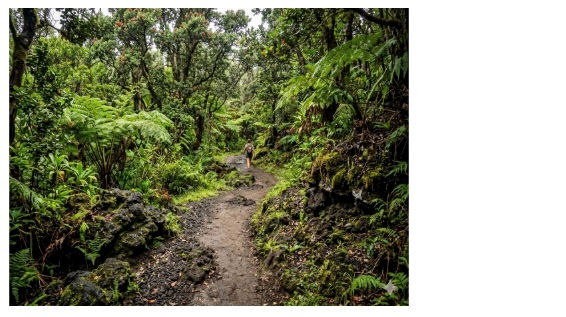
Volcano Village sits at approximately 3,800 feet elevation on the slopes of Mauna Loa, about a mile from the park entrance. Staying here puts you in a different relationship with the landscape entirely. You can walk the Kīlauea Iki Trail before 7am, before the car park fills. You can drive to the end of Chain of Craters Road at dusk and watch the lava glow without factoring in a 90-minute return drive afterward. And when conditions change — a new fissure opens, a trail temporarily closes, the sulfur dioxide levels shift — you are close enough to respond.
The question most outdoor travelers do not ask early enough is what their Hawaii Volcanoes National Park lodging actually costs them in time. The standard calculation is nightly rate plus park fees. The real calculation includes the hours spent commuting to and from a trailhead every day — hours that, for most active travelers, would be better spent on the trail. A property in Volcano Village eliminates that entirely.
Aloha Hale is a privately owned three-bedroom home set within a native Hawaiian rainforest on Haunani Street in Volcano Village. The property is available as a whole-home rental, meaning the full 1,290 square feet — three bedrooms, two bathrooms, a wood-burning stove, a fully equipped kitchen, and a covered lanai with a private hot tub — belongs entirely to whoever books it. There are no other guests on the grounds. The elevation keeps temperatures cooler than the coast, typically in the mid-60s Fahrenheit overnight, which makes it genuinely good sleeping weather after a full day outdoors.
"Guests who come for the hiking always say the same thing: they wish they had built more time into their stay. When you are this close to the park, you find yourself doing a second trail in the afternoon that you would have skipped if you had a long drive back."
— Alayna Cole, Property Manager, Aloha Hale Volcano Hawaii
The rainforest setting is not incidental. The ohia lehua trees that surround the property are the same native species that colonize fresh lava flows inside the park — the same ecosystem you will pass through on the Devastation Trail and parts of the Kīlauea Iki loop. Staying in a volcano rainforest retreat rather than a coastal hotel or a downtown Hilo property means the transition between your accommodation and the trail environment is nearly seamless. You wake up inside the forest. The park is ten minutes away.
For groups of two to six people, the full-home model also makes logistical sense. A single booking covers everyone, kitchen access keeps food costs manageable on a multi-day trip, and the private hot tub becomes a legitimate recovery tool after long days on volcanic terrain. The property sleeps up to six, which means a group of friends or a family splitting the cost can often come out well under what they would spend on multiple hotel rooms in Hilo.
Volcano Village has a small but functional supply of local amenities — a general store, a few restaurants including the Lava Rock Cafe, and a post office. What it does not have is resort infrastructure, which is entirely the point. The village exists in the shadow of the park rather than as an entertainment destination in its own right. For travelers who came for the trails, that is exactly the right arrangement.
Availability, booking details, and information about the property and its surroundings are at volcanohi.com. The property can be reached directly at +1-808-202-7759 or info@volcanohi.com.


