
Why Smart Toilets Are Becoming Part of the Modern Luxury Bathroom
A luxury bathroom can make an immediate impression with stone surfaces, custom cabinetry, carefully chosen lighting, and beautifully finished hardware. But once the room becomes part of everyday life, different details begin to matter: a cold seat on a winter morning, harsh overhead lighting during a late-night visit, or a beautifully designed fixture that proves awkward to clean or poorly suited to the home’s plumbing.
These are small inconveniences, but they shape how a bathroom actually feels to live with. That is part of the reason smart toilets are finding a more natural place in modern bathroom design. Their appeal is becoming less about owning something “high-tech” and more about integrating comfort, cleansing, and convenience into a fixture that is already part of the daily routine.
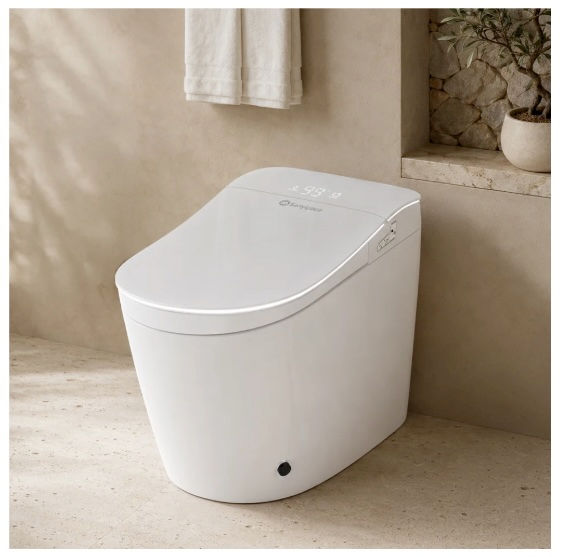
Bathroom Luxury Is Moving Beyond the Surface
Beautiful materials still matter. So do proportion, lighting, hardware, and craftsmanship. What is changing is the expectation that a high-end bathroom should feel as considered in use as it looks in photographs.
The National Kitchen & Bath Association’s 2026 Bath Trends Report, based on responses from nearly 700 industry professionals, found that 51% expected smart toilets to grow in popularity over the following three years. The finding sits within a broader shift toward bathrooms designed around wellness, personalization, and the way homeowners actually use the space—not simply how it looks when finished.
That shift is already familiar elsewhere in the home. Heated floors make winter mornings easier. Layered lighting changes the atmosphere without changing the architecture. Concealed storage keeps daily necessities close without leaving them on display. The most successful technology often works in much the same way: it improves the experience without becoming the visual focus.
A bathroom does not need to look futuristic to feel more intelligent. In many cases, luxury comes from removing small points of friction rather than adding more things to notice.
Why Smart Toilets Fit Modern Bathrooms
Traditional toilets are usually selected around familiar considerations such as size, shape, finish, and flushing performance. Modern smart toilets add another layer by integrating washing, heating, drying, lighting, and automated controls into the same fixture.
That integration works particularly well in contemporary bathrooms where visual simplicity matters. Washing functions can be built directly into the toilet rather than requiring a separate freestanding bidet. A discreet night light can make a late-night visit easier without turning on bright ceiling fixtures. Foot-operated or sensor-based controls can reduce unnecessary contact without adding another visible device to the room.
The design benefit is not simply that one fixture can do more. It is that the functions can feel intentional rather than added afterward.
For a well-designed bathroom, that distinction matters. Technology should support the room’s architecture, not compete with it.
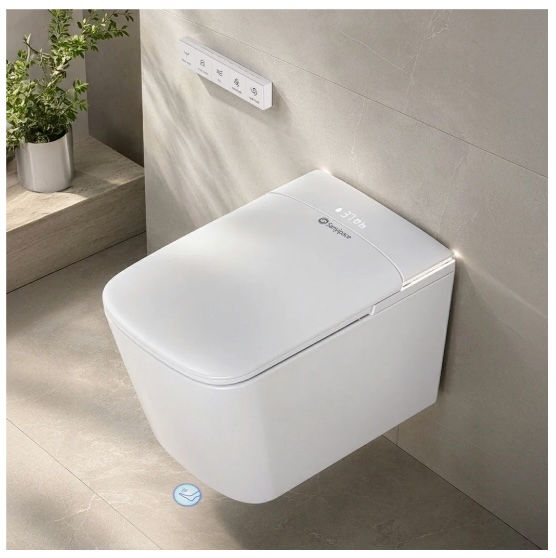
The Comfort You Notice Every Day
Many smart-toilet specifications look impressive on a product page, but only some of those functions meaningfully change the way a bathroom feels day after day.
Warm-water washing is one of the clearest examples. Adjustable temperature, water pressure, and nozzle position allow the same fixture to work more comfortably for different people sharing a bathroom. Separate wash modes can add another level of personalization without requiring additional bathroom equipment.
Heated seating is simpler, but often more immediately appreciated. In colder climates, a warm seat can turn an ordinary winter-morning inconvenience into something homeowners quickly stop thinking about. Warm-air drying works naturally alongside washing and can reduce reliance on toilet paper after cleansing.
Hands-free features can have a similar effect. Automatic flushing, foot controls, motion-operated lids, and softer nighttime lighting remove small actions that once seemed unavoidable. They are rarely the reason a bathroom looks luxurious, but they can influence whether it feels effortless to use.
This quieter approach to technology also shapes the way brands such as SANYIPACE are approaching the category. Rather than treating washing, seat heating, drying, flushing, and sensor functions as unrelated additions, they can be designed to work together within a single bathroom fixture.
That is ultimately where smart features make the strongest case for themselves: not when they demand attention, but when they become easy to forget.
What Good Planning Looks Like Behind the Fixture
The most polished smart bathroom still depends on decidedly unglamorous details behind the walls and beneath the fixture.
Before choosing a toilet, homeowners and designers should look at the rough-in, available floor space, water-supply position, electrical access, and the type of flushing system being considered. These decisions are much easier to resolve early in a renovation than after tile, cabinetry, and finished walls are already in place.
Electrical access is especially easy to overlook. Heated water, seat warming, drying, sensors, and automated functions require power, so the outlet should be appropriately planned for the bathroom and positioned where cords will not become a visible afterthought.
Water conditions deserve the same attention. Some direct-flush or tankless designs rely more heavily on the water available at the moment of flushing, while toilets with an internal tank store water before it is needed.
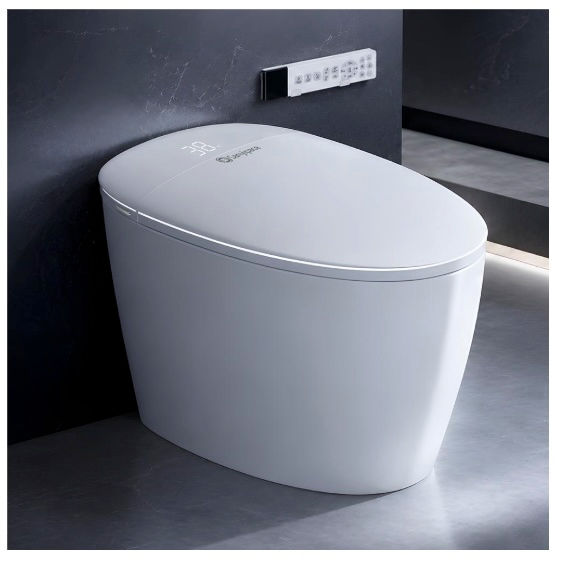
The Aira Cearo offers a practical example of the latter approach. Alongside washing, heated seating, drying, and hands-free functions, it incorporates an internal flushing tank. From a renovation perspective, the important point is not the number of features. It is that the flushing system should be considered alongside the home’s plumbing conditions rather than selected on appearance alone.
The scale of the project also changes what makes sense. In a newly designed primary suite, there is more freedom to coordinate plumbing, electrical access, clearances, and a fully integrated fixture from the beginning.
A guest bath or secondary bathroom can call for a lighter touch. If the existing ceramic toilet already works well with the room, smart toilet seats can introduce warm-water cleansing, heated seating, adjustable comfort, and drying without requiring a complete fixture replacement.
That does not necessarily make the seat the “budget” version of an integrated toilet. It is a different level of intervention. In a primary bathroom being redesigned from the ground up, an integrated smart toilet may create the cleaner architectural result. In a guest bath where the existing fixture is already well proportioned to the room, upgrading the seat can be the more considered choice.
Cleaning access deserves similar thought. A sculptural toilet may look elegant in a showroom, but narrow gaps, exposed connections, and difficult-to-reach surfaces can become frustrating over time. In a room intended to feel effortless, ease of maintenance belongs in the design conversation alongside form and finish.
When Technology Fades Into the Background
New technology is usually most noticeable during the first few days. A heated seat feels unfamiliar. Warm-water washing changes a long-established routine. Automatic flushing or hands-free controls may initially feel like features someone has to remember to use.
Then they become normal.
That is often where smart technology fits best within a well-designed home. The goal is not to remind homeowners constantly that their bathroom is technologically advanced. It is to make certain inconveniences quietly disappear.
Luxury bathrooms will continue to be shaped by beautiful materials, thoughtful lighting, good proportions, quality fixtures, and careful planning. Smart toilets add something less visible to that equation: a room that can feel warmer, more personal, and easier to use once the photography is finished and everyday life begins.
The most successful smart bathroom, then, may not be the one with the longest feature list. It may simply be the one that feels better to live with, day after day.


