
Workplace Safety Tips for Handling Industrial Fluids
Safety is crucial in industrial settings, especially when dealing with industrial fluids. These fluids, like lubricants, coolants, and cleaning agents, are important for operations but can also be dangerous if not handled properly. Understanding how to manage these materials safely helps prevent accidents and supports a safer work environment.
Employees should receive training on how to handle these fluids. Following safety protocols reduces accidents and builds confidence on the job. As workplaces change, so do the methods and tools for managing industrial fluids. Here are some tips to maintain safety while working with these essential substances.
Spill Management
Every workplace should have a solid spill management plan. Spills can happen, so respond quickly. Ensure spill kits are easily accessible. These kits should include absorbent materials, chemical neutralizers, and PPE.
Teach employees how to handle spills. Everyone should know the steps: contain the spill, clean it up, and dispose of materials according to regulations. Regular drills can reinforce these steps and build confidence for handling accidents. Preparation helps reduce the risk and impact of spills.
Valves
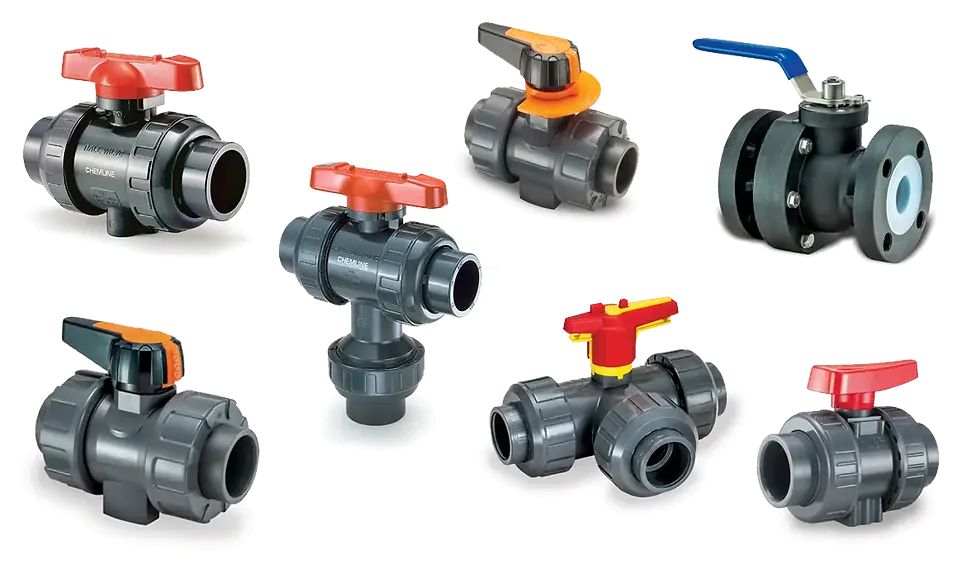
PVC ball valves are commonly used in industry to control liquid flow. They are made from durable polyvinyl chloride, which is lightweight and corrosion-resistant. These valves work well for both water and chemicals. For strong fluids, PVC ball valves provide effective sealing to prevent leaks.
Select the right size and pressure rating for your needs. Regular inspections help ensure the valve operates smoothly and identify any wear or damage. Proper installation and maintenance can increase the lifespan of PVC ball valves and improve safety.
Personal Protective Equipment
Wearing the right personal protective equipment (PPE) is crucial when working with industrial fluids. This includes gloves, goggles, and aprons that protect against spills and splashes. Choose PPE that fits the type of fluid you are handling. For example, if you are using corrosive substances, make sure your gloves and goggles resist chemicals.
Keeping PPE in good condition is also important. Inspect it regularly for wear and tear. If you find any damage, replace the items right away. By prioritizing PPE, you show that safety is important in your workplace.
Ball Valves
Ball valves are key parts of industrial piping systems. They are known for their simple design and efficient flow control. A round disc inside the valve rotates to open or close the passage, allowing quick shut-off and precise flow control. These valves suit high-pressure situations and can be made from brass, stainless steel, or plastic, depending on the chemicals used.
Operators should understand how to use and maintain ball valves properly. Regular maintenance checks can help prevent leaks and failures, creating a safer work environment and ensuring the valves work well.
Storage and Labelling
Proper storage of industrial fluids is vital for workplace safety. Always store fluids in clearly labelled containers that indicate their contents and hazards. This helps prevent mix-ups and keeps everyone informed.
Keep storage areas organized and away from high-traffic zones to lower the risk of spills. Follow regulations for storing hazardous materials to ensure compliance with local laws. By focusing on organization and clear labelling, you create a safer environment for everyone.
Regular Training
Learning how to handle industrial fluids safely should happen regularly, not just once. Frequent training sessions reinforce safe practices and keep up with current industry standards. Adding new information or techniques to these sessions helps employees stay informed about changes that may affect their safety.
Make the training engaging so employees feel comfortable discussing safety concerns and asking questions. Build a culture that sees safety as a team effort rather than a task. When employees feel empowered and informed, the workplace becomes safer for everyone.
Emergency Preparedness
No one wants to think about emergencies, but being ready can save lives. Ensure your workplace has clear emergency plans for incidents involving industrial fluids. This includes easy access to emergency contacts, first aid kits, and emergency showers or eyewash stations for handling hazardous substances.
Regularly review and practice emergency protocols with your team. When everyone knows what to do in an emergency, it can make a big difference. Safety is not just about preventing risks. It's also about being prepared to respond if something goes wrong.
Maintenance Practices
Routine maintenance of equipment that uses industrial fluids is essential. Regular inspections help catch potential issues before they lead to accidents. Check pumps, hoses, and machinery for leaks or wear. Train employees on the importance of maintenance to create a proactive culture. Encourage them to report minor issues before they escalate. By fostering responsibility for equipment, you enhance workplace safety.
Implementing these safety tips can create a safer, more productive work environment. By focusing on personal protective equipment, proper storage, training, and emergency preparedness, everyone plays a part in building a culture of safety. A safe workplace lets employees focus on their work without unnecessary worry, paving the way for success!


