
5 Glycolic Acid Myths That Are Probably Slowing Down Your Results
Glycolic acid has been around in skincare for decades, but a surprising amount of misinformation still follows it around. Some of it comes from overhyped marketing, some from people misusing it and blaming the ingredient. Either way, here's what's actually true.
Myth 1: "Stronger Is Always Better"
It's tempting to assume a 15% or 20% glycolic acid product will work faster or better than a 7% one. In practice, higher concentrations mostly increase the risk of irritation and barrier damage without a proportional increase in benefit for everyday use. Professional-strength peels exist for a reason they're meant to be used under supervision, not nightly at home.
A concentration around 7%, at the correct pH, tends to be the most practical sweet spot: strong enough to deliver visible results, gentle enough for regular use without wrecking your skin barrier in the process. This is the exact reasoning behind products like Dermasation's Glycolic Acid 7% AHA + BHA Toning Solution the concentration is stated deliberately, not left vague the way many "glycolic acid" products are.
Myth 2: "You Can Use It Every Day Once Your Skin Gets Used to It"
This is one of the most common reasons people end up with irritated, sensitized skin and blame the ingredient rather than the frequency. Glycolic acid is a leave-on exfoliant even well-tolerated skin benefits from rest nights. Most dermatological guidance caps regular use at three to four evenings a week, even for experienced users. Daily use, indefinitely, tends to create more problems than it solves over time.
Myth 3: "It's a Substitute for Sunscreen or Whitening Products"
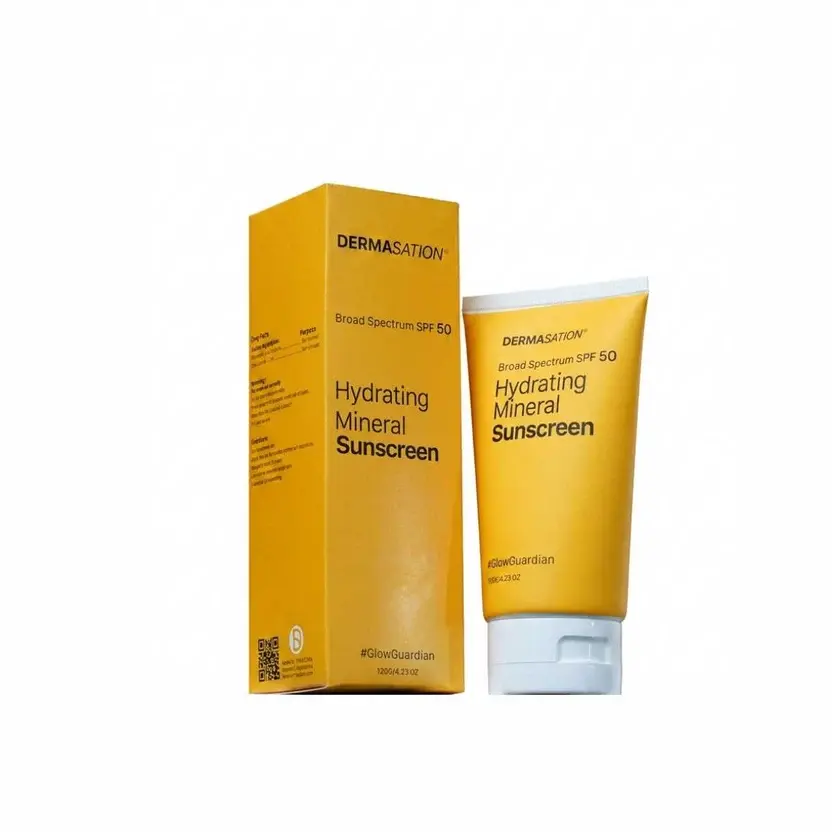
Glycolic acid doesn't bleach skin, and it isn't a replacement for daily SPF if anything, it makes sunscreen more important, not less. Because it accelerates cell turnover, the fresh skin underneath is genuinely more vulnerable to UV damage for a period after each use. Skipping sunscreen while using glycolic acid can actively worsen the dark spots people are usually trying to fix. It's an exfoliant that works alongside sun protection, never instead of it.
Myth 4: "Results Should Be Immediate"
A lot of disappointment with glycolic acid comes from expecting overnight transformation. Realistically, most people notice smoother texture within the first week, a visible glow by around week two, and genuine improvement in tone and dark spots by weeks four to six. It's a cumulative, maintenance-based ingredient closer to a long-term habit than a quick fix, which is also why consistency matters more than intensity.
Myth 5: "Any Product With Glycolic Acid in the Ingredient List Works the Same"
Just seeing "glycolic acid" listed doesn't tell you much on its own. Two things determine whether it's actually doing anything: concentration and pH. A product with a trace amount, primarily included for label appeal, will behave very differently from a properly formulated 7% solution at the correct acidity. This is why it's worth checking whether a brand states its concentration outright collections like Dermasation's Glycolic Acid range list this specifically so you're not guessing.
The Bottom Line
Glycolic acid remains one of the more reliable, well-studied ingredients in skincare but only when it's used correctly. Moderate concentration, a few nights a week rather than daily, consistent sunscreen the next morning, and patience over several weeks. Get those four things right, and the rest tends to take care of itself.


