
5 Inspiring Destinations Built for Activity and Theme-Based Holidays
- Jun 19
- 5 min read
Some destinations naturally lend themselves to a particular activity. Others make it easy to build an entire trip around a personal interest, whether that's food, cycling, hiking, history, or local culture. The best activity-based holidays tend to happen when the destination itself supports what people already enjoy doing.
Savannah's waterfront restaurants, the cliffside paths of the Italian Riviera, Caribbean island-hopping, vineyard cycling routes around Bordeaux, and Kyoto's long-standing food traditions all offer something different. Rather than spending every day ticking off landmarks, the places below encourage visitors to get involved, learn something new, and experience daily life beyond the main attractions.
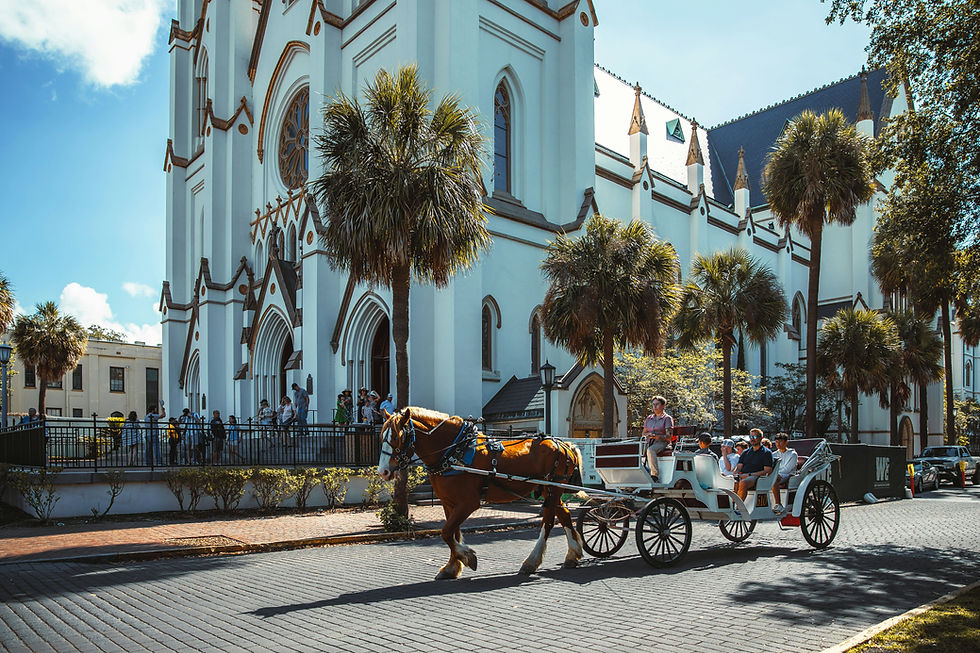
Savannah: Historic Waterfront Dining and Fresh Local Seafood
Savannah's relationship with the river is impossible to miss. Large cargo ships still move along the Savannah River throughout the day, often appearing surprisingly close to River Street. The old brick warehouses lining the waterfront now contain restaurants, galleries, and small shops, but traces of the city's trading history remain everywhere. A walk through Factors Walk reveals narrow passageways, iron bridges, and worn stone staircases connecting different levels of the historic district.
Food is often part of the reason people come here in the first place. Seafood appears across the city, although many visitors head toward the waterfront where fishing traditions remain closely connected to local dining. Those looking for a great seafood restaurant in Savannah frequently spend time around River Street and the Plant Riverside District, where menus regularly feature Georgia shrimp, oysters, crab, and locally caught fish. After a meal, it's easy to continue exploring on foot. City Market sits only a short walk away, while Johnson Square and Reynolds Square offer quieter spots beneath the shade of live oaks.
Away from the riverfront, Savannah slows down. Jones Street is often busy with photographers, especially in the late afternoon when the sunlight filters through the trees. On Saturdays, Forsyth Park fills with residents shopping for produce, baked goods, flowers, and coffee before wandering back through the surrounding neighborhoods.
Italian Riviera: Scenic Hiking Trails and Coastal Views
The Italian Riviera is particularly appealing to visitors who enjoy walking. Between Levanto and La Spezia, a network of trails links villages that were connected by footpaths long before modern roads were built. Although trains now make it easy to travel between the towns, many visitors still choose to cover at least part of the journey on foot.
One of the busiest sections runs between Monterosso al Mare and Vernazza. The path climbs quickly above the sea, passing terraced vineyards supported by centuries-old stone walls. During summer, hikers often start early to avoid the midday heat. The descent into Vernazza opens onto a small harbor where fishing boats bob beside the main square and locals sit outside cafés watching day-trippers arrive.
Cinque Terre attracts most of the attention, but it is hardly the only place worth exploring. Trails around Camogli and Portofino pass through woodland, old monasteries, and coastal viewpoints that overlook the Ligurian shoreline. On some routes, hikers share the path with residents carrying shopping bags home from the next village.
The Caribbean: Diverse Island Activities and Cultural Excursions
One reason the Caribbean works so well for activity-focused travel is the variety from island to island. A week spent on a single island can be rewarding, but many people prefer seeing several destinations during the same trip.
In Puerto Rico, visitors often spend hours exploring Old San Juan, where blue cobblestones, colorful buildings, and centuries-old fortifications line the streets between El Morro and Castillo San Cristóbal. In Barbados, the historic Garrison district offers a different perspective, while St. Lucia attracts hikers heading toward viewpoints around the Pitons or trails near Pigeon Island National Landmark.
This variety helps explain the popularity of the best cruises of the Caribbean. Many itineraries combine ports such as Nassau, Cozumel, Philipsburg, and Bridgetown within a single voyage, allowing passengers to experience different landscapes, cuisines, and local traditions without repeatedly packing and unpacking. Shore excursions often include snorkeling trips, rainforest walks, sailing excursions, cooking demonstrations, and visits to historic districts located close to the ports.
No two islands feel quite the same. A morning spent browsing a fish market in one destination can be followed by a hike, a sailing trip, or a visit to a colonial-era town on the next stop.
Bordeaux: Guided Bicycle Routes and Historic Vineyards
Cycling feels like a normal part of daily life in Bordeaux. Bike lanes run through much of the city, and commuters on bicycles are a common sight during the morning rush.
Many visitors start along the Garonne River, where wide paths connect several of the city's best-known landmarks. The route between Place de la Bourse, the Miroir d'Eau, and Quinconces Square is largely flat and easy to follow. Early mornings tend to be quieter before the riverside fills with joggers, cyclists, and people stopping for coffee.
The countryside beyond the city is where longer rides begin. Around Saint-Émilion, narrow roads wind between vineyards, limestone buildings, and small family-run estates. The Entre-Deux-Mers region is often less crowded, with villages that still revolve around weekly markets and local bakeries. Guided cycling tours typically combine riding with vineyard visits, giving participants the chance to cover a surprising amount of ground while learning about the region's winemaking traditions along the way.
Kyoto: Traditional Cooking Schools and Food Markets
Kyoto's temples receive most of the attention, but food has become a major reason many people visit. Cooking classes, market tours, and specialty food experiences provide a different way to understand the city.
A good place to start is Nishiki Market. Stretching across several covered blocks in central Kyoto, the market is packed with stalls selling pickles, seafood, tea, tofu, and seasonal ingredients. Shop owners often stand outside offering samples, while locals stop by to pick up ingredients for dinner. The market becomes noticeably busier around lunchtime, particularly on weekends.
Many cooking schools begin with a visit to local suppliers or a discussion about ingredients before moving into hands-on preparation. Depending on the class, participants might make miso-based dishes, tamagoyaki, seasonal vegetable recipes, or traditional sweets. Afterwards, they venture into nearby neighborhoods such as Gion or Pontocho, where narrow lanes and wooden buildings provide a glimpse of Kyoto's older streetscape. Some of the smaller side streets are at their quietest in the early evening, just before restaurants begin filling up.
Which holiday will you choose next?
Activity-focused holidays tend to leave a lasting impression because the days are built around doing things instead of merely sightseeing. In Savannah, that might mean exploring the waterfront and stopping at local seafood restaurants. On the Italian Riviera, walking trails connect towns that have overlooked the coast for centuries. Visitors to the Caribbean often divide their time between historic sites, beaches, and outdoor activities, while Bordeaux lends itself naturally to cycling through wine country. In Kyoto, food, history, and daily life remain closely connected. Each destination offers its own way of experiencing a place beyond the usual sightseeing stops.


