
5 Signs Your Home Needs New Siding This Year
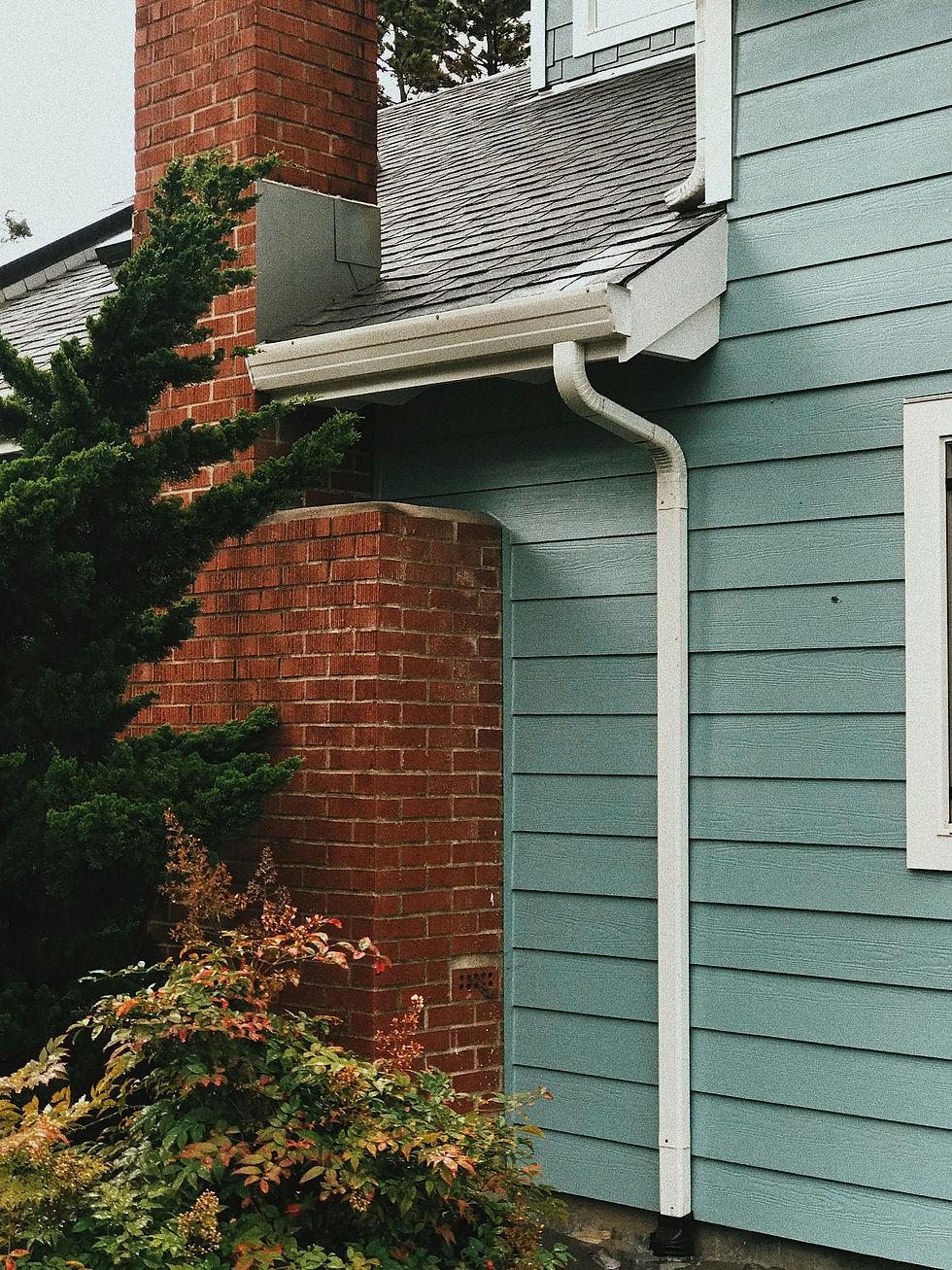
Your home’s siding does more than create curb appeal. It protects your walls, insulation, framing, and interior spaces from moisture, wind, pests, and temperature changes. When siding begins to fail, the warning signs can start small before turning into expensive repairs. Knowing what to look for can help you decide whether basic maintenance is enough or whether siding replacement should be on your home improvement list this year. If you notice several of the issues below, it may be time to schedule a professional inspection and plan your next steps.
1. Your Siding Is Cracked, Warped, or Visibly Damaged
One of the clearest signs your home may need new siding is visible damage across the exterior. Cracks, gaps, loose panels, warped boards, and missing sections can all allow water and pests to reach areas that should stay protected. Even a small opening can become a larger issue after heavy rain, high winds, or seasonal temperature swings. Damaged siding can also make your home look older than it really is, which may hurt curb appeal and resale value. If the damage is spread across multiple sides of the home, siding replacement may be more practical than repeated patchwork repairs.
Some damage is easy to spot from the ground, but other issues may require a closer look. Walk around your home and check areas near windows, doors, corners, and rooflines. These spots often experience more stress because they are exposed to runoff, shifting materials, and changing weather conditions. You should also look for panels that no longer sit flat against the house. Common warning signs include:
Cracked or split siding panels
Warped, buckled, or uneven sections
Loose boards or panels
Gaps around trim, windows, or doors
Sections that rattle during windy weather
2. You Keep Repainting or Repairing the Same Areas
If your siding needs constant attention, it may be telling you that it is nearing the end of its service life. Paint that peels, bubbles, chips, or fades quickly can indicate that the siding underneath is no longer holding up properly. While all siding requires some maintenance, frequent repainting or recurring repairs are signs that your exterior may no longer be performing as it should. Homeowners sometimes spend money year after year fixing the same sections without realizing that a larger replacement project could be more cost-effective. When maintenance becomes a routine expense rather than an occasional task, it is worth considering siding replacement.
The type and age of your siding can also affect how often repairs are needed. Older wood siding may absorb moisture, while aging vinyl can become brittle and crack. Fiber cement, engineered wood, and other materials can also show wear if they were installed incorrectly or exposed to harsh conditions for many years. If repairs are limited to one small area, a targeted fix may still make sense. However, if multiple areas show recurring problems, new siding can give your home a stronger, cleaner, and more reliable exterior.
3. You Notice Moisture, Mold, or Rot
Moisture problems are among the most important siding issues to address quickly. Siding is designed to help keep water away from the structure of your home, but failing siding can allow moisture to sneak behind panels and into wall systems. Once that happens, you may notice mold, mildew, soft spots, or rotting materials. These issues can spread if they are ignored, especially in areas that stay shaded or receive frequent rain. Siding replacement can help stop ongoing moisture intrusion and protect your home from deeper structural damage.
There are several exterior clues that moisture may be getting behind your siding. Look for dark streaks, greenish growth, swollen boards, soft wood, or areas that feel spongy when pressed. Inside the home, warning signs may include musty smells, stains on walls, peeling interior paint, or unexplained humidity. Not every moisture issue starts with siding, but damaged or aging siding is a common contributor. If you see mold or rot, it is best to have the problem evaluated before it gets worse.
4. Your Energy Bills Are Going Up
Rising energy costs can happen for many reasons, but poor siding performance may be part of the problem. When siding is damaged, loose, or poorly sealed, outside air can enter, and conditioned air can escape. This forces your heating and cooling system to work harder to keep the home comfortable. You may notice certain rooms feel drafty, colder in winter, or hotter in summer. While insulation, windows, and doors also play a role, siding replacement can improve your home’s exterior envelope when old materials are no longer doing their job.
Pay attention to comfort changes throughout the home. If you feel drafts near exterior walls or notice uneven temperatures from room to room, your siding may not be providing the protection it once did. Gaps, cracks, and failing seams can create pathways for air movement and moisture. New siding, especially when installed with proper house wrap and insulation options, can help improve comfort and efficiency. It may not solve every energy concern by itself, but it can be an important part of a larger home performance upgrade.
5. Your Home Looks Outdated or Has Lost Curb Appeal
Sometimes the need for new siding is not only about damage. Your home’s exterior may simply look worn, faded, mismatched, or outdated. Siding has a major impact on first impressions because it covers such a large portion of the home. If the color has faded unevenly, the style looks dated, or the exterior no longer matches your taste, siding replacement can dramatically refresh the property. This is especially valuable if you are planning to sell, refinance, or invest in long-term improvements.
Curb appeal is more than appearance. A clean, modern exterior can make your home look better maintained and more inviting. New siding can also create the opportunity to update trim, accents, shutters, gutters, and other exterior details. Many homeowners use a siding project to change the entire look of their property without altering the structure itself. If your home looks tired even after cleaning, landscaping, and minor repairs, new siding may provide the transformation you are looking for.
FAQ About Siding Replacement
How do I know if I need siding repair or full siding replacement? If damage is limited to one small area, repair may be enough. If you see widespread cracking, warping, rot, moisture problems, or repeated maintenance issues, full siding replacement may be the better long-term solution.
How long does siding usually last? Lifespan depends on the material, installation quality, climate, and maintenance. Vinyl, wood, fiber cement, and engineered siding all age differently, so a professional inspection can help you understand where your home stands.
Can new siding improve energy efficiency? Yes, it can help when old siding has gaps, cracks, or poor sealing. New siding installed with proper weather barriers and insulation options may reduce drafts and improve indoor comfort.
What is the best time of year to replace siding? Spring, summer, and fall are common seasons for siding projects because weather conditions are usually more predictable. However, timing depends on your local climate, contractor availability, and the urgency of the damage.
Is siding replacement worth it before selling a home? It can be, especially if the current siding is damaged, faded, or outdated. New siding can improve curb appeal and help buyers feel more confident about the condition of the home.
Plan Your Siding Project Before Problems Get Worse
If your siding is showing signs of damage, aging, or poor performance, this year may be the right time to act. Waiting too long can allow small problems to grow into moisture damage, higher repair costs, and reduced home comfort. A professional siding inspection can help you understand whether your home needs a few repairs or a complete siding replacement. It can also help you compare materials, colors, warranties, and installation options before making a decision. By replacing worn siding at the right time, you can protect your home, improve curb appeal, and create a stronger exterior for years to come.


