
5 Ways Technology Can Protect Against Payment Fraud
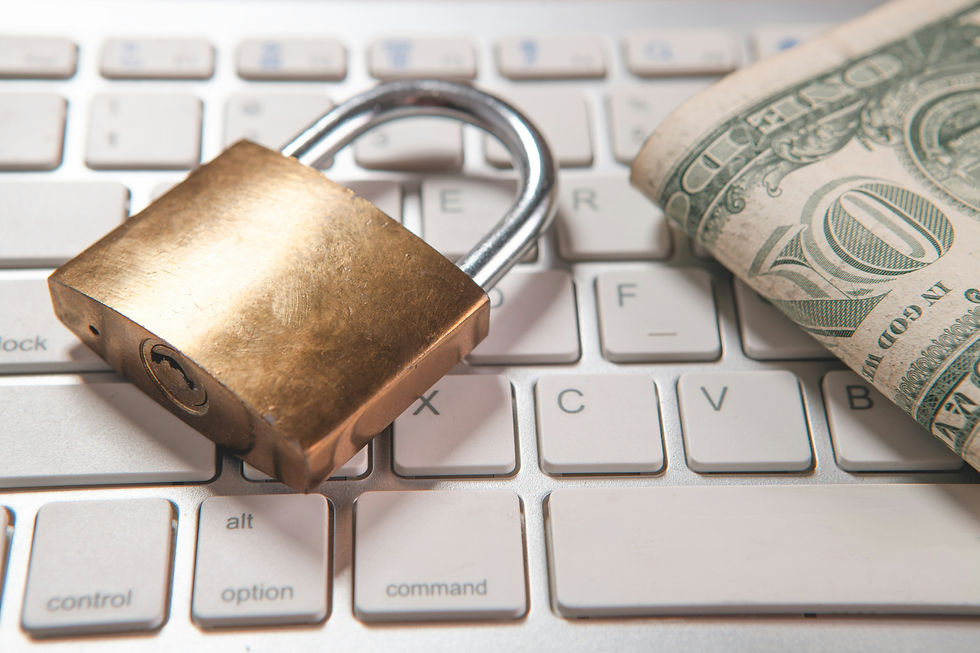
Payment fraud used to be a “big bank problem.” Not anymore. These days, SMEs, non-profits, and virtually any organization that handles payments can become a target.
The problem is now so widespread that experts estimate businesses worldwide lost about $429 billion to payment fraud in 2023 alone. In many of those cases, fraudsters used advanced technology, including AI, to pull it off.
For business owners, that's alarming news. But there’s also some good news.
The same technology being used to carry out payment fraud can also help prevent it. Sometimes it’s something simple, like business check writing software that adds security layers to financial transactions.
Tools like these, according to SmartPayables, are especially helpful for businesses that still mail checks to vendors, contractors, or employees. A cloud-based check platform can automate the entire process, reducing the risk of someone intercepting or altering payments along the way.
Other times, it involves more advanced tools that can detect suspicious activity in seconds. Even better, many of these solutions are no longer limited to large banks or corporations. Regular businesses can use them too.
So let’s look at five practical ways businesses can use to prevent payment fraud.
Artificial Intelligence and Machine Learning
Fraud used to be detected after the damage was done. Someone would notice strange activity. Then the investigation started.
Today, AI fraud detection systems watch transactions as they happen.
These tools study patterns such as:
Spending habits
Purchase location
Time of transaction
Device used for payment
When something looks off, the system reacts immediately. Imagine scheduling a payment to a vendor who normally receives payments in Bardstown, Kentucky. Suddenly, an updated account number to a bank in a totally different country shows up.
To a busy finance team, it might look like a simple account change request. But an AI fraud detection system would immediately notice something unusual. The system may pause the transaction or request additional verification.
It might sound easy enough, but the result is impressive. AI and machine learning boast detection rates exceeding 90% to 95%. These tools can review millions of transactions every second and prevent fraud before they go through.
Biometric Authentication
Biometric authentication adds another layer of security to online transactions. We already use it on our phones and computers when we unlock them with a fingerprint or facial recognition.
Of course, passwords are still widely used, but they're usually the weak link in most fraud cases. People reuse them. They forget them. Sometimes they even write them down on sticky notes. Biometrics don’t have that same problem, which is why biometric payment security is becoming more common.
In fact, recent research suggests that about 72% of consumers prefer biometric authentication over traditional PIN security, showing a clear shift toward biometric verification.
The idea is simple. Any payment initiated must also be verified using a biometric factor, such as:
Fingerprints
Facial recognition
Voice recognition
Even if someone steals the password to your business accounts, they still can’t complete the transaction without biometric confirmation.
Tokenization
Payment fraud doesn't only happen with checks and internet banking. A lot of them involve stolen card numbers. If thieves get access to that information, they can use it almost anywhere.
But tokenization makes that almost impossible. Instead of transmitting or storing actual card numbers, the system replaces them with a random digital token. That's what gets transmitted over the network and can only work inside that payment network.
You probably already use it with mobile wallets like Apple Pay and Google Pay, where you tap your phone to pay.
Even if a hacker intercepts the data, they cannot reuse it for another transaction. Data show that tokenized transactions can lower fraud by up to 40% compared to open card numbers.
It’s a clever idea. Simple too. And it has quietly become one of the most effective defenses against payment fraud.
Multi-Factor Authentication
Many businesses are now using multi-factor authentication (MFA) to verify online payments to clients, partners, employees, in fact, everybody.
The idea is pretty straightforward. Instead of relying on one form of verification, the system asks for two or more.
That might include:
Your password
A one-time code sent to your phone
A fingerprint scan
At first, it can feel slightly annoying. Waiting for a code adds an extra step.
But there’s a reason it exists.
Security reports show that multi-factor authentication can block almost all payment fraud that relies on stolen login credentials. In fact, 46% of cyber professionals say it's highly effective, while 50% say that it's somewhat effective. Obviously, MFA is a strong defense for something that takes only a few moments.
Real-Time Transaction Monitoring
Modern payment systems now use real-time transaction monitoring to detect suspicious behavior instantly.
Instead of reviewing transactions after they happen, monitoring tools evaluate activity as it occurs.
It looks for patterns such as:
Rapid purchases within minutes
Transactions from unfamiliar devices
Unusual spending spikes
When something looks suspicious, the system reacts. For example, if someone accesses your business account and starts moving money in a way you have never done before, real-time monitoring will want to know why.
It may decline the payment. It might freeze the account temporarily. Sometimes it simply alerts you to confirm the transactions.
Many financial institutions say this kind of monitoring stops fraud early, before funds disappear.
And that speed matters because the faster suspicious activity is caught, the easier it is to prevent real damage.
Final Thoughts
Payment fraud is constantly evolving, but technology is putting businesses one step ahead. We've discussed a few of those technologies in this article.
For businesses, the lesson is simple. Don’t rely on a single security measure.
Layer your defenses. A combination of technologies makes it much harder for fraud to slip through the cracks.
As digital payments grow every year, protecting your transactions in any way you can goes beyond just good security practice.
It’s good business.


