
6 Best DNA Extraction Kits For High-Yield And High-Purity DNA Isolation
- 3 days ago
- 4 min read
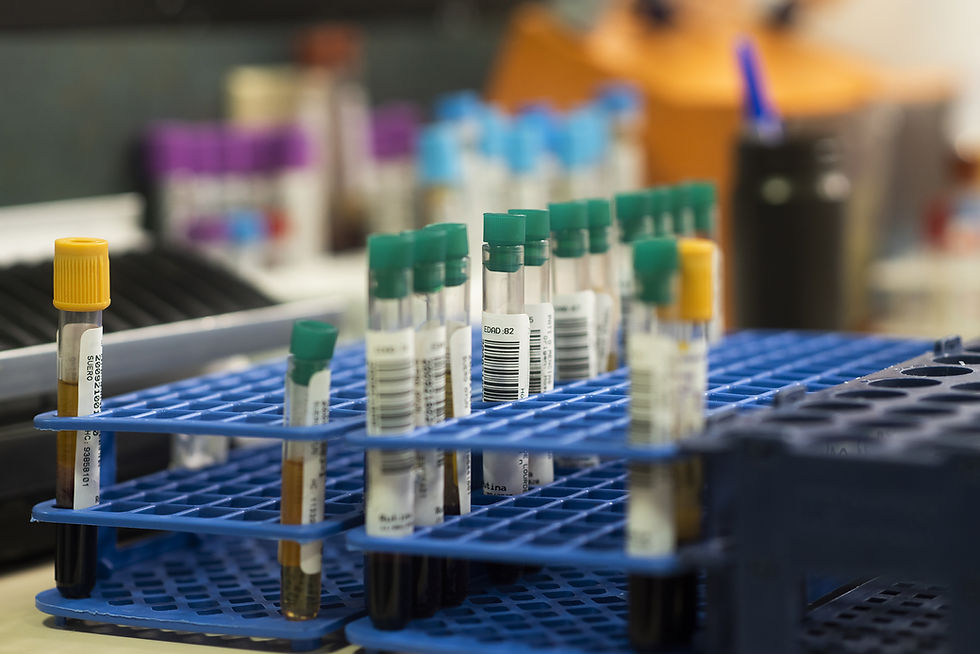
While DNA isolation may be the first step in a molecular biology workflow, it can also be the first point of failure. Low yields, poor samples, or contaminating material can impact PCR, sequencing, cloning, and a multitude of downstream applications. Even good experimental designs can yield sub-optimal data if DNA extraction is inconsistent.
With the increasing need for more accurate and reproducible research, choosing the correct extraction kit is more critical than ever. The selection of a solution that fits best in your laboratory depends on the types of samples, throughput, and analytical needs.
Knowing what the kits are good for will help you not have to troubleshoot unnecessarily and be more successful in your experiments. Let's dive right in and discover six of the top-performing kits for high-yield and high-purity DNA extraction, and select the best kit for your research.
1. DNA Extraction Kits for Everyday Molecular Biology Work
For most labs, a DNA extraction kit optimized for general molecular biology can be a good choice. These kits are designed to isolate high-quality DNA from cultured cells, tissues, bacteria, yeast, and other biological samples and to yield DNA that is suitable for PCR, qPCR, cloning, sequencing, and other applications.
Optimized lysis buffers and silica membrane purification are used in most routine DNA extraction kits to efficiently remove proteins, salts, and other contaminants. They offer researchers consistent results with simple protocols that save time on hands-on workflow.
Simple protocols can enhance efficiency, whether you have a few samples or are dealing with larger volumes. A good routine DNA extraction kit can also standardize the laboratory workflows for the different users and projects.
Standard extraction methods minimize variability among experiments and facilitate comparison of results through time. This uniformity is particularly important in research settings, where repeatability and consistency are crucial for obtaining reliable experimental data.
These kits can be applied in academic research, biotech laboratories, and QC testing. They offer a reliable solution for laboratories seeking efficient DNA isolation without sacrificing performance, given its versatility across various sample types and downstream applications.
2. Genomic DNA Extraction Kits
For experiments where genomic DNA is required intact, using a specific genomic DNA extraction kit makes all the difference. These kits have been specifically developed to isolate high molecular weight DNA whilst keeping fragmentation to a minimum during extraction.
They are particularly useful for:
Whole-genome sequencing
Long-range PCR
Library preparation
Genotyping studies
Genetic research
These workflows rely on intact DNA, and the use of specialized genomic DNA extraction kits increases the likelihood of successful downstream processing and high-quality results. High-quality genomic DNA also enables new applications, including genome editing, comparative genomics, and the discovery of biomarkers.
In some cases, these studies need long stretches of DNA that are intact and still a true reflection of the original sample. A genomic DNA extraction kit optimized for intactness ensures researchers obtain reliable sequencing libraries and helps maximize the quality of genetic analysis from start to finish.
3. DNA Extraction and Purification Kits
There are research projects where there are requirements for efficient DNA isolation and purity. DNA extraction and purification kits combine these processes into one streamlined workflow, eliminating the need for separate cleanup steps.
Contaminants like proteins, salts, lipids, and enzyme inhibitors are removed during extraction, and purified DNA is eluted. This leads to cleaner samples that are suitable for sensitive molecular biology techniques.
These kits are commonly used for:
PCR and qPCR
DNA sequencing
Molecular cloning
Restriction enzyme digestion
Gene expression research
High-purity DNA ensures better performance of enzymes and less risk of failure. Integrated purification also shortens the workflow time, thanks to the reduced amount of manual handling. The fewer the number of processing steps, the less opportunity for sample loss or contamination.
The same DNA can be used to analyze multiple downstream applications, and laboratories benefit from increased efficiency with consistent DNA quality for research projects.
4. Cell and Tissue DNA Extraction Kits
Biological samples must be extracted in different ways. Cell and tissue DNA extraction kits are formulated for extracting DNA from cultured mammalian cells and fresh and frozen tissue, without compromising DNA integrity. An optimized kit for these sample types ensures maximum DNA recovery and minimizes contaminants that may impact downstream analysis.
These kits are commonly used in biomedical research, cancer biology, developmental biology, pathology, and regenerative medicine. Optimized lysis buffers and purification protocols are designed to generate DNA that is suitable for PCR, sequencing, cloning, and other molecular biology applications.
Optimally sampling is also crucial. Fresh samples should be processed quickly, and frozen tissues should be stored under appropriate conditions so as to minimize DNA degradation. The recommended extraction protocol allows for maximizing DNA yield and provides consistency in the experimental results.
5. Microbial DNA Extraction Kits
Extracting DNA from bacteria, yeast, fungi, and other microorganisms can be more challenging because many microbes have rigid cell walls. Microbial DNA extraction kits use specialized lysis methods to efficiently break down these cells while preserving DNA quality.
These kits are commonly used for:
Microbiology research
Environmental testing
Microbiome analysis
Food safety studies
Industrial biotechnology
Agricultural research
High-quality microbial DNA is essential for accurately identifying microorganisms, studying microbial diversity, and supporting sequencing and PCR-based applications. Efficient extraction also reduces contaminants that may interfere with downstream analyses, allowing researchers to generate more reliable and reproducible results.
6. PCR-Ready DNA Extraction Kits
Many laboratories need DNA that can move directly into downstream applications without additional cleanup. PCR-ready DNA extraction kits are designed to produce highly purified DNA with minimal inhibitors, allowing amplification reactions to perform consistently.
These kits are particularly useful for:
Conventional PCR
Quantitative PCR (qPCR)
DNA sequencing
Molecular cloning
Mutation analysis
Diagnostic research
Producing DNA that is immediately compatible with these applications reduces workflow complexity and saves valuable laboratory time. Clean DNA also improves amplification efficiency, helping researchers achieve more dependable and repeatable results.
Bringing it All Together
Choosing the right DNA extraction kit is one of the most important decisions in any molecular biology workflow. High-yield, high-purity DNA supports more reliable PCR, sequencing, cloning, genotyping, and many other downstream applications while reducing failed experiments and unnecessary repeat testing.
Whether you need a routine DNA extraction kit, a genomic DNA solution, a purification-focused workflow, or a kit designed for cells, tissues, or microbial samples, selecting one that matches your research objectives is essential.
By carefully evaluating your sample type, workflow requirements, and downstream applications, you can improve DNA quality, increase experimental consistency, and generate dependable results that support successful molecular biology research.


