
A Practical Checklist for Planning a Hybrid or Virtual Event in 2026
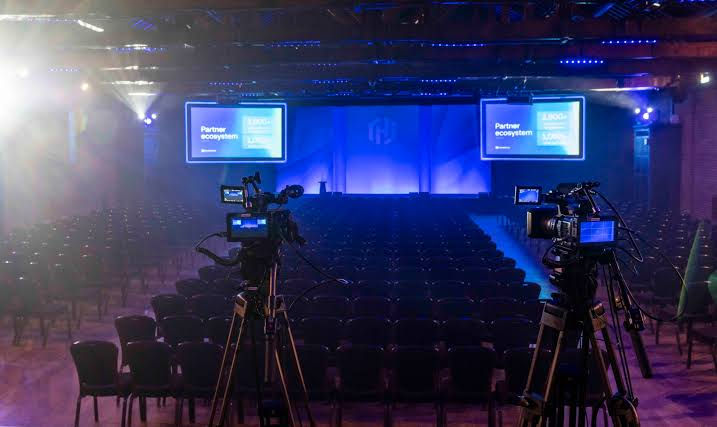
A checklist for planning a hybrid or virtual event includes determining a strategy and pre-planning, creating the content and program design, organizing the technical production list, and building a day-of execution plan. A professional event management company in Dubai also runs a post-event session to inform decisions on future events.
This checklist walks through the five phases of planning a hybrid or virtual event, from early strategy through post-event measurement, with an eye toward the kind of high-stakes launches and immersive experiences that can't afford to look like everyone else's webinar.
Futuristic Events Today
Hybrid events stopped being a pandemic-era workaround years ago. Today, they’re simply how organizations reach the audiences they actually have: attendees in the room, plus stakeholders, media, and customers scattered across cities and time zones who never intended to travel in the first place.
That shift has raised the bar. A generic livestream with a static camera angle no longer cuts it, especially for organizations whose events are the announcement: a real estate developer unveiling a master-planned community, an automotive brand revealing a new model, a government authority launching a public initiative, or a cultural institution opening a new gallery or museum experience. When the event is a product launch, "good enough" production is a real risk.
Here is a checklist for planning a hybrid or virtual event.
1. Strategy and Pre-Planning
Every event needs a solid strategy that determines whether a hybrid or fully virtual format is suitable.
During this phase, the event management team must:
● Define the goal of the event, then identify the format.
● Segment the audience because VIPs, media, and remote viewers will want different experiences.
● Budget across three buckets: venue and physical build, streaming and broadcast technology, and content production (including video).
● Select streaming platforms, registration systems, and engagement tools after the creative concept is set.
2. Content and Program Design
A critical phase, the creation of the content and program design can dictate the success or failure of an event because it focuses on engagement.
What should be decided?
● In hybrid events, design for two audiences from the start. One that works live in a room (with lighting, staging, and physical reveal moments) and another that’s built around screens.
● Equip speakers and presenters for hybrid delivery. They need to prep for camera presence, pacing, and comfort with interactive Q&A.
● Treat video as a core deliverable because video content can outlive the event and become the primary marketing asset for months afterward.
3. Technical Production Checklist
Even well-planned and most engaging hybrid or virtual events fail without high-quality technical equipment and solid execution.
Make sure your event has the following:
● Production equipment that includes professional cameras, quality microphones and sound systems, and lighting equipment.
● Engagement tools to use for live polls, moderated Q&A, and chat.
● A backup internet connection and a secondary streaming path.
● A full run-through, including the handoff points between physical and virtual segments, at least once before the live event.
4. The Day-Of
A detailed run-of-show document must include every handoff between physical and digital elements, down to the minute. Team members must also have clear roles to prevent confusion about who runs each stage of the event and to ensure accountability.
No matter how well planned an event is, the unexpected can happen. That is why you must build contingencies into the event. Common failure points include connectivity loss, speaker no-shows, and AV equipment breakdowns.
5. Post-Event Session
Post-event evaluation measures the event's success against the objectives identified during the planning phase. The analysis supports continuous improvement in planning and managing your events.
With each post-op, you learn to improve participant experience, evaluate partnerships, optimize budgets, and measure return on investment. By evaluating your event’s success and whether it met its objectives, you’ll be able to make strategic decisions on future events.
What does a post-event session need? An event management company in Dubai discusses the following during a post-op.
● Goals and objectives
● Attendee feedback
● Attendance data
● Marketing and promotion
● Financial performance
Where Hybrid Events Are Headed Next
Expect more AI-driven personalization (tailoring which content a remote attendee sees based on their role or interests), more investment in spatial and immersive tech for virtual walkthroughs, and continued blurring of the line between "event" and "content production." The video and creative assets generated during the event are treated as a primary deliverable, not a byproduct.
For organizations whose events double as major announcements, the events that stand out in 2026 will be the ones where the creative concept, the physical production, and the video content are planned together from day one, rather than stitched together at the end.
Every event, virtual and hybrid, is different. But they each follow a similar checklist, from beginning to end. By going through each phase with diligence, you ensure optimal execution and outcomes for your event.


