
Beyond Skin Care: How Korean Derma-Tech Is Revolutionizing Premium Medical Spas
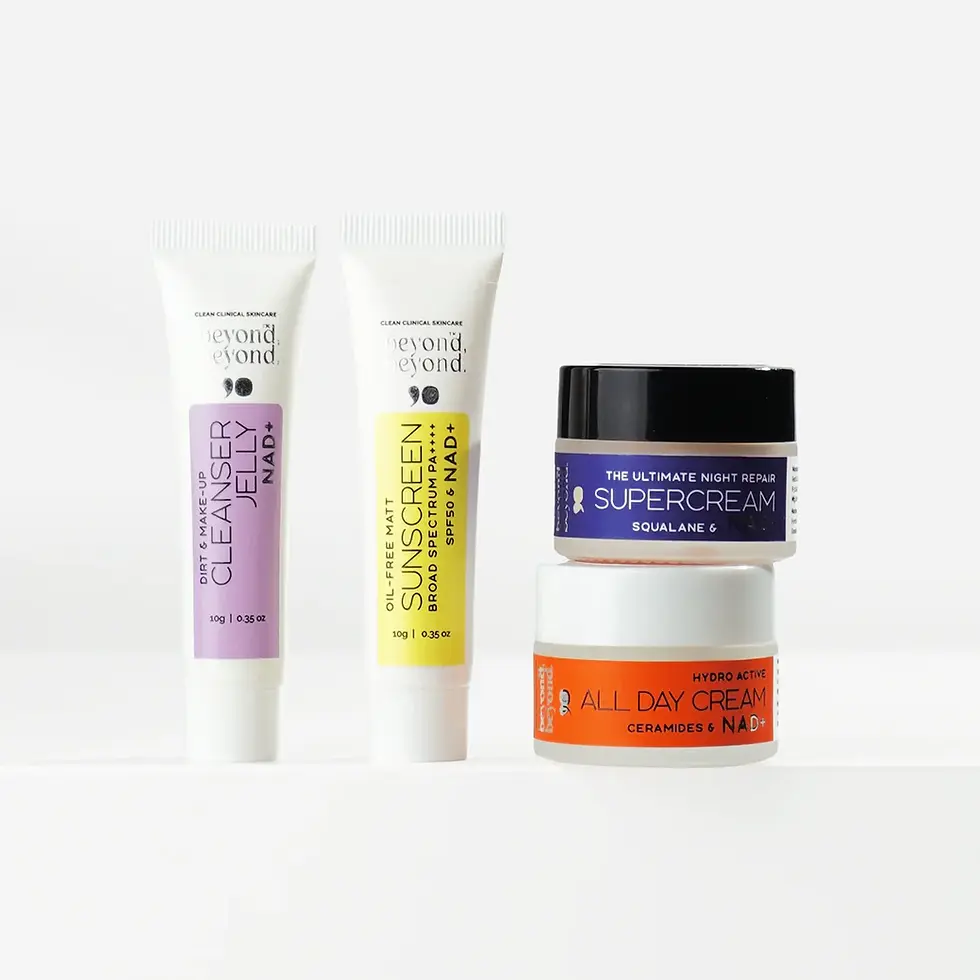
The global beauty landscape changed when sheet masks and ten-step routines became standard bathroom decor. That was just the top layer of the soil. Beneath that consumer-grade surface, a far more significant shift has been quiet but incredibly aggressive. Medical spas in Western markets are overhauling their treatment menus. They are swapping out legacy Western technologies for advanced engineering arriving directly from Seoul. It is a massive transition from topical pampering to intensive, clinical biotechnology.
People used to look at Seoul for fun, innovative skincare ingredients like snail mucin or centella asiatica. Now, medical directors and luxury spa owners look toward South Korea for high-intensity focused ultrasound, advanced microneedling systems, and highly specialized injectables. The current market shows that the core definition of a premium medical spa treatment has shifted entirely. It is no longer about relaxation; clients want immediate, visible cellular changes.
The Shift Toward High-Performance Engineering
The traditional Western model of medical spa treatments often relied heavily on aggressive lasers; ablative treatments that required days of hiding away while the skin literally peeled off. The approach was simple: damage the skin significantly so it forces itself to rebuild. Korean derma-tech operates on a fundamentally different philosophy; maximum internal cellular simulation with minimal external destruction. This is why specialized clinics are adopting these tools so rapidly.
The technology focuses heavily on precision targeting. A clinic can now treat deep structural layers of tissue without disrupting the outer barrier. Consider the rise of localized micro-current and ultra-sound devices that match tissue density in real time; the machine adjusts its output based on the resistance of your specific facial fat cells. Western clinicians find this level of responsiveness represents a massive upgrade over older, static machines.
Why Precision Beats Aggressive Ablation
The preference for non-destructive, highly technical intervention stems from a demand for zero downtime. Modern patients do not have a week to spend indoors recovering from a laser peel. They want to walk out of a clinic looking slightly flushed but entirely capable of attending a dinner meeting. Seoul met this demand by investing heavily in sub-surface tech.
● Fractional Energy Delivery: Devices split energy beams into microscopic channels; this leaves surrounding tissue completely untouched for rapid healing.
● Targeted Depth Customization: Med spa practitioners can adjust needle or energy depth down to fractions of a millimeter; this allows them to treat thin under-eye skin and thick jawline tissue with the same device.
● Synergistic Cooling Systems: Advanced chilling mechanisms protect the skin surface; higher energy can safely reach deeper layers without causing surface burns.
The logic makes sense. By preserving the skin barrier, you avoid the secondary complications like post-inflammatory hyperpigmentation; a common issue with older Western laser systems, especially on deeper skin tones.
The Chemistry in the Syringe
The evolution of clinical beauty goes far deeper than machines. The materials being injected into the dermis have undergone an incredible transformation. For a long time, the hyaluronic acid market was dominated by a few massive European and American pharmaceutical giants. It was a predictable landscape; the formulas worked fine, but they lacked variety in texture and specific placement capabilities.
Korean laboratories approached the formulation of injectables from a perspective of high-density cross-linking and multi-layered viscosities. They developed options that integrate with human tissue far more naturally. These formulas do not simply sit as a rigid gel lump under the muscle; they adapt to facial expressions. This prevents that telltale, stiff look that has plagued Western aesthetic medicine for years. Practitioners who want to optimize their practice menu frequently choose to order Korean dermal fillers for clinics to provide these subtle, highly malleable results.
The clinical results speak for themselves. Patients report less swelling because the purification processes in these production lines remove trace proteins that trigger immune responses. The longevity of the material matches or exceeds older market standards, which keeps patient retention high for medical spas.
Re-Engineering the Skin Barrier with Polynucleotides
Another massive transformation hitting premium medical spas involves salmon DNA. It sounds like internet marketing hype; it is actually rigorous molecular biology. South Korean researchers pioneered the use of polynucleotides and polydeoxyribonucleotides; molecules extracted from salmon germ cells that almost perfectly match human DNA structure.
These are not traditional fillers. They do not add volume or freeze muscles. Instead, they act as cellular instructors. When injected into damaged or aging skin, they signal fibroblasts to start producing fresh, high-quality collagen. Medical spas use them to treat areas that were previously incredibly difficult to fix; creepy skin around the eyes, neck lines, and acne scars that refuse to fade.
The Mechanism of Action
The science is fascinating. The molecules act as a scaffolding system while simultaneously breaking down into metabolites that human cells use to repair their own DNA. This creates a cascade effect of natural tissue regeneration.
The clinical outcome is a complete change in skin texture and elasticity. Western spas are frequently pairing these regenerative injections with their existing energy devices. The combination speeds up healing times significantly while multiplying the anti-aging effects of the machine treatments.
The Operational Reality for Med Spa Owners
The adoption of Korean derma-tech isn't just an aesthetic preference; it is a calculated business strategy. The medical spa market is fiercely competitive. Consumers are highly educated; they read clinical studies on their phones before booking an appointment. A premium spa cannot survive on basic chemical peels and standard neuromodulators anymore.
Integrating these specialized systems allows clinics to justify premium pricing models while lowering their consumable costs. The hardware from South Korea often features open-ecosystem designs; this reduces the ongoing fees that Western manufacturers usually charge for replacement tips or software activations.
The shift is undeniable. The future of premium clinical skincare lies in these hyper-precise, biomimetic technologies. Spas that adapt to this methodology see higher patient satisfaction and significantly fewer complications; a reality that makes the transition from old-school methods completely inevitable.


