
Central Asia Travel Routes Explained: From Silk Road Classics to Multi-Country Adventures
Understanding Central Asia as a Travel System, Not Just a Destination
One of the most common mistakes travelers make when planning a trip to Central Asia is treating it as a single destination with a single type of experience. In reality, the region functions more like a system of interconnected routes, each offering a different perspective on geography, culture, and history.
Unlike many travel destinations where itineraries are built around isolated highlights, Central Asia invites a more strategic approach. The way you move through the region matters just as much as the places you visit. Routes define the experience. They determine pace, depth, and the balance between comfort and exploration.
This is why understanding the main travel formats — particularly Silk Road routes and multi-country journeys across the Five Stans — becomes essential. Each approach offers its own advantages, and choosing the right one depends on what kind of experience you are looking for.
Central Asia is not a place where one itinerary fits all. It is a region where travel design shapes everything.
The Silk Road Route: A Structured Cultural Journey
The Silk Road remains the most recognizable and accessible way to explore Central Asia. It is built around a clear narrative — the historical connection between East and West — and focuses primarily on cultural and architectural heritage.
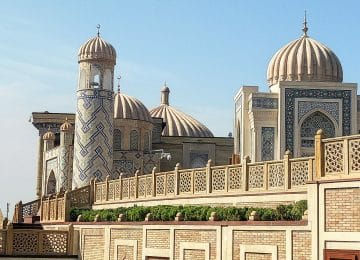
Uzbekistan forms the core of this route. Cities like Samarkand, Bukhara, and Khiva provide a structured progression, where each destination adds a new layer of historical context. The experience feels cohesive, as the route follows a logical sequence rooted in centuries of trade and exchange.
One of the main advantages of Silk Road routes is clarity. Travel is relatively straightforward, infrastructure is well-developed, and distances between key locations are manageable. High-speed trains, organized transfers, and established travel services allow travelers to focus on the experience rather than logistics.
At the same time, the Silk Road is not limited to Uzbekistan. Extensions into Kazakhstan, Kyrgyzstan, or even Turkmenistan can add variation and depth, transforming a cultural itinerary into a more diverse journey.
For travelers who prioritize history, architecture, and cultural immersion, Silk Road routes offer a well-balanced and accessible introduction to Central Asia.
Multi-Country Travel: The Five Stans Experience
While the Silk Road provides structure, multi-country travel across the Five Stans offers scope.
This format is built around diversity rather than a single narrative. It combines multiple travel styles into one journey, allowing travelers to experience different landscapes, cultures, and environments without limiting themselves to a specific theme.
The Five Stans route typically includes Kazakhstan, Kyrgyzstan, Uzbekistan, Tajikistan, and Turkmenistan. Each country adds a distinct dimension:
Kazakhstan introduces modern cities and vast open spaces. Kyrgyzstan emphasizes nature and nomadic traditions. Uzbekistan provides cultural depth. Tajikistan brings raw adventure, while Turkmenistan adds uniqueness and contrast.
The key advantage of this format is completeness. Instead of focusing on one aspect of the region, travelers gain a broader understanding of how everything connects.
However, this approach also requires more planning. Distances are longer, logistics are more complex, and the pace must be carefully managed to avoid exhaustion. Without a clear structure, the journey can feel overwhelming.
When designed properly, though, multi-country travel becomes one of the most rewarding ways to experience Central Asia.
Choosing Between Silk Road and Five Stans Routes
Deciding between a Silk Road itinerary and a Five Stans journey depends on priorities.
Travelers who prefer a more focused and culturally rich experience often gravitate toward Silk Road routes. These itineraries provide depth without requiring extensive movement, making them ideal for those who want to explore history in detail while maintaining a comfortable pace.
On the other hand, travelers seeking variety and contrast tend to prefer multi-country routes. The Five Stans format offers a broader perspective, allowing for a mix of cultural exploration, natural landscapes, and adventure.
Time also plays a crucial role. Silk Road routes can be completed within a shorter timeframe, while Five Stans journeys typically require more days to fully appreciate each country.
There is also a hybrid option.
Many modern itineraries combine elements of both approaches, using Uzbekistan as a cultural anchor while extending the journey into neighboring countries for added diversity. This creates a balanced route that avoids the limitations of focusing on a single format.
Ultimately, the best choice is not about which route is better, but which route aligns with your expectations.
Logistics, Distances, and Travel Reality
Central Asia is a region where geography directly influences travel. Distances between destinations can be significant, and infrastructure varies depending on the country.
In Uzbekistan and Kazakhstan, transportation is relatively efficient. Trains, domestic flights, and well-maintained roads make movement between cities straightforward. This allows for structured itineraries with predictable timing.
In Kyrgyzstan and Tajikistan, travel becomes more dynamic. Mountain roads, weather conditions, and limited infrastructure introduce variability. Journeys take longer, but they also become more experiential.
Turkmenistan presents a different challenge, with stricter regulations and controlled travel routes. Planning here requires precision and local expertise.
These differences highlight an important reality: Central Asia is not a region where you can simply improvise everything. Flexibility is useful, but structure is essential.
Understanding how distances, conditions, and logistics interact is key to building a successful itinerary.
Why Route Design Matters More Than Destinations
In many parts of the world, travel is destination-driven. You choose places to visit, and the route becomes secondary. In Central Asia, the opposite is often true.
The route defines the experience.
A well-designed itinerary creates a natural flow, where each destination builds on the previous one. Transitions feel logical, travel time is optimized, and the overall journey maintains a consistent rhythm.
A poorly designed route, on the other hand, can disrupt the experience. Long, inefficient transfers, unnecessary backtracking, or unrealistic timing can reduce the quality of even the most interesting destinations.
This is particularly important in multi-country travel, where coordination between different systems becomes more complex.
In Central Asia, how you travel is just as important as where you travel.
Planning with Experts: Making the Most of Your Journey
Given the complexity of the region, working with a professional Central Asia tour operator becomes a practical advantage rather than a luxury. Travel Land specializes in designing routes that reflect both the diversity of Central Asia and the realities of traveling within it.
For those interested in cultural exploration, Travel Land offers carefully structured Silk Road tour packages that connect key historical cities into a cohesive and efficient itinerary. These routes are designed to provide depth while maintaining comfort and logical sequence.
At the same time, travelers looking for a broader experience can choose a Five Stans trip, where all five countries are combined into a single journey. Travel Land ensures that these multi-country itineraries are balanced, avoiding unnecessary complexity while preserving the richness of the experience.
Instead of trying to navigate logistics independently, travelers benefit from local knowledge, optimized routes, and a structured approach that enhances every part of the journey.
Conclusion: The Right Route Changes Everything
Central Asia is not a destination that can be fully appreciated through spontaneous or unstructured travel. It is a region where planning, route design, and understanding of geography play a crucial role.
Whether you choose a Silk Road itinerary, a multi-country journey, or a combination of both, the key is to approach travel here with intention. The right route transforms the experience from a series of visits into a cohesive story.
For modern travelers seeking something beyond standard tourism, Central Asia offers depth, contrast, and a sense of progression that is increasingly rare.
And when the journey is designed correctly, it becomes not just a trip — but an experience that unfolds with purpose from beginning to end.


