
Charcuterie Board Wood: How to Choose the Right Wood for Your Board
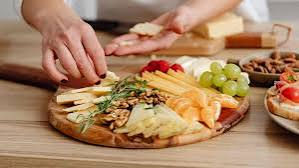
A charcuterie board can turn a simple meal into an inviting presentation for guests. From cured meats and artisan cheeses to fruits, crackers, and nuts, the right board provides both a practical serving surface and an attractive centerpiece. However, choosing the right charcuterie board wood is important because different types of wood offer different levels of durability, appearance, maintenance, and food safety.
Whether you are buying a finished board or planning to make one yourself, understanding the characteristics of different hardwoods can help you select an option that fits your needs.
What Makes Good Charcuterie Board Wood?
Not every type of wood is suitable for a food-serving board. The ideal charcuterie board wood should be durable, relatively dense, and resistant to excessive moisture absorption. A smooth, properly finished surface is also important because it makes the board easier to clean and helps prevent food particles from becoming trapped in deep grooves.
Hardwoods are generally preferred over softwoods. Dense hardwoods tend to withstand regular cutting and serving better while providing a stable surface for food preparation and presentation.
The wood should also be properly finished with a food-safe product. A suitable finish can help protect the board from moisture while enhancing the natural appearance of the grain.
Popular Wood Choices for Charcuterie Boards
Several hardwood species are commonly considered for serving and cutting boards. Each has its own characteristics.
Maple
Maple is a popular choice because it is hard, durable, and has a relatively light appearance. Its subtle grain can create a clean and contemporary look, allowing the colors of cheese, fruit, and cured meats to stand out.
Hard maple is particularly useful when durability is a priority. It can handle regular use when properly maintained.
Walnut
Walnut is valued for its rich, darker color and attractive grain. A walnut charcuterie board can provide a sophisticated contrast against lighter foods such as soft cheeses, crackers, and fresh fruit.
Because of its appearance, walnut is often selected when presentation is just as important as functionality.
Cherry
Cherry wood has a warm, reddish-brown appearance that can add a traditional feel to a serving board. Its color can become richer over time, giving the board a distinctive character as it ages.
Cherry can work particularly well for entertaining because its natural color provides an attractive background for a variety of foods.
Acacia
Acacia is another popular option for wooden serving boards. It can offer distinctive grain patterns and natural color variation, meaning each board can have a slightly different appearance.
Its durability makes it suitable for serving and general kitchen use, provided it is properly finished and cared for.
Is Hardness Important When Choosing Board Wood?
Yes, but hardness is only one factor to consider. A board that is extremely hard may be durable, but the overall suitability of the wood also depends on grain structure, stability, maintenance requirements, and how the board will be used.
For a charcuterie board that is primarily used for serving rather than heavy chopping, appearance and ease of maintenance may be just as important as hardness.
The best choice ultimately depends on whether you want a decorative serving piece, a board that will also be used for cutting, or a combination of both.
Why Grain and Surface Finish Matter
The grain of the wood affects both appearance and performance. A tight, relatively consistent grain can provide a smooth surface that is pleasant to use and maintain.
A properly finished board should feel smooth without having a thick or unsuitable coating that could interfere with food contact. Food-safe mineral oil and appropriate board conditioners are commonly used to maintain wooden boards, depending on the manufacturer's recommendations.
Before purchasing a board, check what finish has been applied and follow the care instructions provided by the manufacturer.
How to Care for a Wooden Charcuterie Board
Even the best charcuterie board wood requires proper care. Good maintenance can help preserve its appearance and extend its useful life.
After use, clean the board according to the manufacturer's instructions. In many cases, this means washing it by hand with mild soap and water and then drying it thoroughly.
Avoid leaving a wooden board submerged in water for extended periods. Excessive moisture can contribute to warping, cracking, or other damage.
Wooden boards generally should not be placed in a dishwasher unless the manufacturer specifically states that they are dishwasher-safe.
Periodic conditioning may also be necessary. When the surface begins to look dry, applying a suitable food-safe board oil or conditioner can help maintain the wood.
Choosing the Right Charcuterie Board Wood for Your Needs
When comparing options, consider how you plan to use the board. If you want a light, clean appearance, maple may be appealing. If you prefer a darker and more elegant presentation, walnut could be a suitable choice. Cherry offers a warm traditional appearance, while acacia provides distinctive natural variation.
Size and shape matter too. A smaller board can work well for an intimate snack, while a larger board provides room for several cheeses, meats, fruits, and accompaniments.
You should also consider the board's construction, thickness, finish, and maintenance requirements rather than choosing based solely on the type of wood.
Final Thoughts
Choosing the right charcuterie board wood involves balancing appearance, durability, maintenance, and intended use. Maple, walnut, cherry, and acacia are among the hardwood options that can provide attractive and functional serving surfaces.
Most importantly, choose a board designed for food contact, use it according to the manufacturer's care instructions, and maintain the surface properly. With the right wood and regular care, a quality charcuterie board can become a practical serving piece that looks beautiful whenever you entertain.


