
Commercial Pilates Reformer Buying Guide: 10 Essential Factors to Consider Before You Buy
- Aug 11
- 5 min read
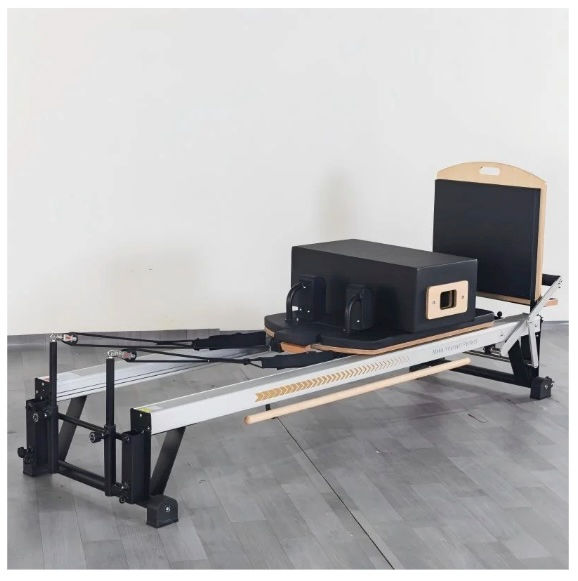
The demand for Pilates equipment has grown steadily over the past few years as more boutique fitness studios, rehabilitation clinics, wellness centers, and gyms incorporate reformer-based training into their services. According to the Health & Fitness Association (formerly IHRSA), consumers continue to prioritize personalized fitness experiences, creating new opportunities for Pilates businesses worldwide.
However, buying a commercial Pilates reformer isn't as simple as comparing prices. The machine you choose will influence your clients' training experience, instructor efficiency, maintenance costs, and even your studio's reputation for years to come.
This buying guide highlights the ten most important factors to evaluate before investing in commercial Pilates reformers, helping you make a confident and informed purchasing decision.
Why Is Choosing the Right Commercial Pilates Reformer So Important?
A Pilates reformer is one of the largest equipment investments most studios make. Unlike home fitness equipment, commercial reformers are expected to perform reliably through multiple classes every day while maintaining smooth movement, structural stability, and user comfort.
Imagine a boutique Pilates studio with eight reformers operating six classes daily. Over the course of a year, each machine may be used thousands of times. Equipment that isn't designed for commercial environments can wear out more quickly, resulting in increased maintenance costs and interruptions to scheduled classes.
Choosing the right commercial reformer offers several long-term advantages:
Improved client satisfaction
Better instructor experience
Reduced maintenance and downtime
Greater equipment lifespan
Stronger brand perception
Rather than focusing solely on the initial purchase price, many successful studio owners evaluate the equipment based on its long-term value, durability, and overall ownership costs.
What Should You Consider Before Buying a Commercial Pilates Reformer?
Before purchasing any commercial Pilates reformer, consider these ten essential factors.
1. Frame Material
Commercial reformers are commonly available in aircraft-grade aluminum, maple wood, oak wood, or beech wood.
Aluminum offers excellent durability with lower maintenance.
Hardwood provides a premium appearance favored by boutique studios.
Choose the material that best aligns with your studio's environment and branding.
2. Build Quality
Look closely at:
Weld quality
Hardware strength
Carriage rails
Roller system
Overall stability
A rigid frame helps maintain precise movement over years of continuous use.
3. Carriage Performance
Smooth carriage travel significantly improves workout quality.
Premium machines typically feature precision bearings and quiet rollers that create consistent resistance throughout each exercise.
4. Spring System
Professional instructors often require multiple resistance levels for clients of different ages and fitness abilities.
Quality springs should provide predictable resistance while maintaining durability after repeated use.
5. Adjustment Options
Clients vary in height, flexibility, and training goals.
A professional reformer should include:
Adjustable footbar
Multiple gear positions
Adjustable ropes
Headrest adjustments
Shoulder rest adjustments
These features help instructors personalize sessions efficiently.
6. Weight Capacity
Commercial environments require equipment capable of accommodating a wide range of users safely.
Always verify the manufacturer's recommended working load before purchasing.
7. Available Accessories
Many studios eventually expand their exercise offerings.
Compatible accessories may include:
Jump Board
Half Tower
Full Tower
Box
Standing Platform
Foot Strap
Choosing a modular system allows your equipment to grow with your business.
8. Maintenance Requirements
Easy-to-clean upholstery, replaceable parts, and accessible hardware simplify daily maintenance and reduce downtime.
9. Warranty & Technical Support
A comprehensive warranty and responsive customer support can make a significant difference over the equipment's lifetime.
Ask suppliers about:
Spare parts availability
Technical documentation
Replacement timelines
After-sales service
10. Manufacturer Experience
Manufacturers with years of commercial production experience often have more mature quality control systems and better international shipping capabilities.
How Do Different Commercial Pilates Reformers Compare?
Not every commercial Pilates reformer is designed for the same application.
The ideal machine depends on your business model, client demographics, and available space.
Business Type | Recommended Reformer |
Boutique Pilates Studio | Maple or Oak Wood Reformer with Tower |
Large Fitness Club | Aluminum Commercial Reformer |
Rehabilitation Clinic | Smooth-glide Adjustable Reformer |
Hotel Wellness Center | Premium Wooden Reformer |
Multi-location Franchise | Standardized Aluminum Models |
Another important consideration is whether your studio values aesthetics or operational efficiency more.
Wooden reformers often create a warm, premium atmosphere that complements luxury studios, while aluminum models are lighter, corrosion-resistant, and easier to maintain in high-traffic environments.
Instead of asking which machine is "best," consider which model best supports your instructors, clients, and business goals.
Should You Buy Directly from a Manufacturer or Through a Distributor?
Both purchasing options have advantages.
Buying through a distributor often provides local inventory, faster delivery, and regional service support.
Buying directly from a manufacturer can offer additional benefits, especially for commercial buyers:
Factory pricing
Greater customization options
OEM & ODM services
Flexible bulk purchasing
Better communication for large projects
If your studio plans to purchase multiple machines or develop a private-label product line, working directly with a manufacturer may provide greater long-term value.
For businesses looking for professional studio equipment, CoreFlow offers a complete range of Commercial Pilates Reformer solutions, including aluminum reformers, wooden reformers, reformers with towers, and customizable commercial equipment designed for global fitness businesses.
How Can You Maximize the Return on Your Commercial Pilates Reformer Investment?
Purchasing commercial equipment is only the first step. Maximizing your return requires thoughtful planning and consistent operation.
Here are several practical strategies:
Strategy | Business Benefit |
Schedule regular preventive maintenance | Extends equipment lifespan |
Train instructors on equipment adjustments | Improves client experience |
Offer beginner and advanced reformer classes | Increases equipment utilization |
Add Tower or Jump Board accessories | Expands class offerings |
Keep equipment clean and well maintained | Enhances brand image |
Many successful studios also photograph or film classes featuring premium reformers for use in marketing campaigns, helping demonstrate professionalism and attract new members.
Small operational improvements can contribute to stronger client retention and higher lifetime customer value over time.
Conclusion
Selecting the right commercial Pilates reformer is about much more than comparing specifications or prices. The ideal machine should support your instructors, enhance the client experience, withstand years of daily use, and align with your long-term business goals.
By carefully evaluating frame construction, carriage performance, adjustability, accessories, after-sales support, and manufacturer expertise, you can make a more informed investment that benefits your business well beyond the initial purchase.
Whether you're launching your first Pilates studio or expanding an established fitness business, choosing commercial-grade equipment from a trusted manufacturer can help create a reliable, professional training environment that supports sustainable growth.
FAQs
How much does a commercial Pilates reformer cost?
Commercial Pilates reformers typically range from approximately US$1,500 to US$5,000 or more, depending on the frame material, included accessories, brand, and customization options. Models with Towers or additional training attachments generally cost more than standard reformers.
What certifications should a commercial Pilates reformer manufacturer have?
While certification requirements vary by market, many buyers look for manufacturers with internationally recognized quality management certifications such as ISO 9001. Depending on the destination country, certifications like CE may also be relevant. It's also worthwhile to ask about product testing, quality control procedures, and warranty policies before purchasing.
Can I customize a commercial Pilates reformer for my brand or studio?
Yes. Many commercial Pilates equipment manufacturers offer OEM and ODM services, allowing businesses to customize frame colors, upholstery, logos, packaging, and even certain design features. Customization can help studios maintain consistent branding and create a more distinctive client experience, particularly for multi-location businesses or distributors.


