
Complete Guide to Buying Pre-Owned Luxury Watches
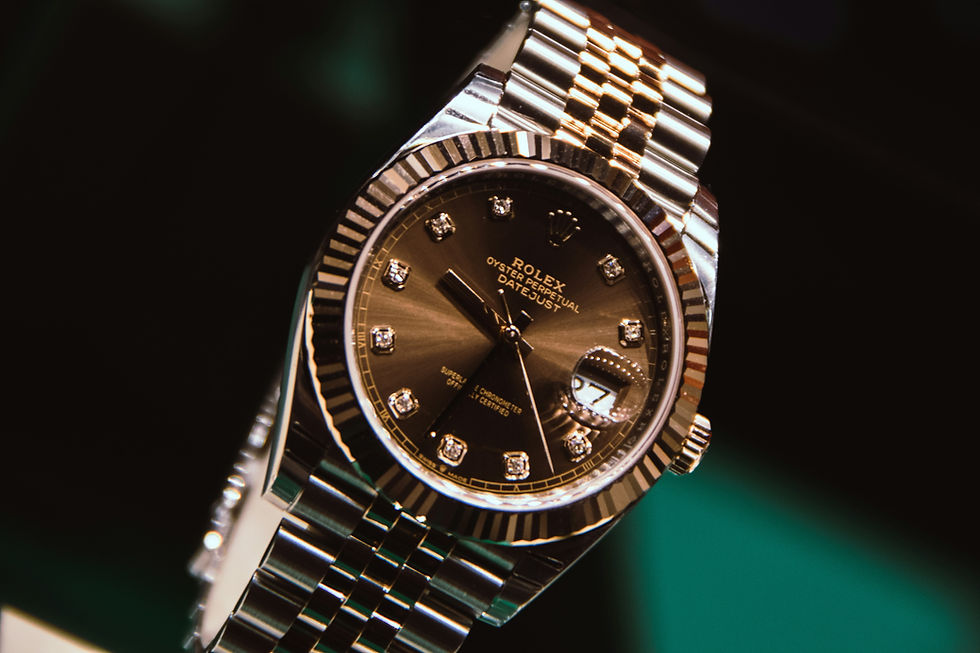
Somewhere along the way, buying a pre-owned luxury watch stopped being the backup plan and became, for a lot of serious collectors, the actual smart move. Waitlists that stretch for years, retail prices that don't reflect real-world scarcity, and a secondhand market that's matured into something genuinely sophisticated. But here's the catch. Buying pre-owned well requires knowing a few things that buying new simply doesn't demand of you.
Why Pre-Owned Isn't the Compromise It Used to Be
There was a time when secondhand watches carried a bit of a stigma, something you settled for if you couldn't get the real thing. That perception has essentially flipped. Certain references are genuinely easier, and sometimes cheaper, to find pre-owned than new, purely because waitlists at authorised dealers can stretch years for the hottest models. Add in the fact that a well-maintained watch loses very little of its charm with age, sometimes gaining character instead, and the old stigma just doesn't hold up anymore.
Authentication Is the Whole Ballgame
Here's the blunt truth nobody wants to hear: counterfeit and franken-watches, pieces assembled from mismatched genuine and non-genuine parts, are a real and growing problem in this market. A watch can look completely legitimate in photos and still hide serious issues, swapped dials, replaced movements, mismatched serial numbers. This is exactly why buying from a dealer who actually authenticates properly matters more than almost anything else in this whole process.
Serial and reference numbers should match across the case, movement, and papers
Dial printing, font weight, and lume application should match known genuine examples
Movement inspection matters, not just an external glance at the case
Papers and box add value but aren't the only authenticity signal worth trusting
Papers, Box, and Why 'Full Set' Actually Matters
A watch with its original box, papers, and warranty card, commonly called a full set, typically commands a meaningful premium over the same reference sold on its own. Beyond the resale bump, papers help trace a watch's history and support authentication. That said, don't dismiss a genuinely authenticated watch just because it's missing its box, plenty of perfectly legitimate pieces lost their packaging years ago through no fault of the watch itself, and a reputable dealer's own authentication should carry real weight here too.
Condition Grading: Learning to Read Between the Lines
Listings describe condition using terms like "excellent," "very good," or "good," and these aren't always consistent between sellers. What one dealer calls excellent, another might call very good, purely based on differing standards. Ask for detailed photos of the case edges, the crystal, and the bracelet or strap specifically, since these areas show wear fastest and tell you far more honestly than a generic condition label ever will.
Servicing History: The Detail Everyone Forgets to Ask About
A watch that's had regular servicing through its life tends to be in genuinely better mechanical shape than one that looks pristine externally but hasn't seen a service in over a decade. Ask directly when the watch was last serviced, and by whom. A reputable independent watchmaker or the manufacturer's own service centre both count. A complete unknown with no paperwork trail should at least factor into your price negotiation, if not your decision to buy at all.
Market Pricing Moves Fast, Faster Than People Expect
Pre-owned prices for hot references can shift noticeably within months, sometimes weeks, particularly around new model announcements or shifts in overall demand. We tracked exactly this kind of movement in this piece on the Rolex Tiffany Daytona 126518LN trading at three times retail, which shows just how dramatically pricing can swing for a genuinely hyped reference, and why doing your homework on recent sale prices matters more than trusting a single listing's asking figure.
Buying From a Dealer vs Buying Privately
Private sales, through forums, classifieds, or word of mouth, can occasionally land a better price, but they strip away the authentication safety net a proper dealer provides. No recourse if something's wrong, no expert eye checking the movement, no warranty backing the purchase. For anyone newer to this market especially, the modest premium of buying through an established, reputable dealer tends to be genuinely worth it, if only for the peace of mind alone.
Getting a Specific Reference Sourced for You
If you've got a particular reference in mind but it's not currently sitting in stock anywhere, that's not necessarily a dead end. Dealers with strong networks and genuine industry relationships can often track down specific pieces on request, sometimes considerably faster than waiting on an authorised dealer's waitlist for a new equivalent. Watch sourcing service exists exactly for this scenario, hunting down the exact reference, condition, and configuration a buyer actually wants, rather than settling for whatever happens to be sitting on a shelf.
Negotiating: More Room Than People Assume
Pre-owned pricing generally has more flexibility built in than retail pricing does, particularly for pieces that have been sitting a while or aren't the absolute hottest reference on the market right now. It's worth asking, respectfully, whether there's room to move, especially if you're paying in full or buying multiple pieces. The worst outcome is a polite no, and plenty of deals do have some give in them.
Warranty and What Happens If Something Goes Wrong
Reputable pre-owned dealers typically offer their own warranty period, separate from the manufacturer's original warranty, which may or may not still be active depending on the watch's age. Understand exactly what's covered before buying, mechanical issues, water resistance, cosmetic problems discovered after purchase. This detail rarely gets asked about upfront and matters enormously if something does go wrong down the track.
Building a Relationship With a Trusted Dealer
One-off transactions are fine, but the real value in this market often comes from building an ongoing relationship with a dealer who gets to know your taste over time. Repeat buyers frequently get first look at incoming pieces before they're publicly listed, which matters enormously for rare or hard-to-find references. Treating this as a relationship rather than a series of isolated purchases tends to pay off over the years.
First-Time Buyers: A Few Extra Words of Caution
If this is your first pre-owned purchase, resist the urge to chase the absolute cheapest listing you find. A price that looks too good against every comparable sale usually is, and that gap often signals a corner cut somewhere, whether in authenticity, condition disclosure, or servicing history. Paying slightly above the rock-bottom figure for genuine peace of mind is rarely a decision buyers regret later.
So What's the Real Takeaway Here?
Buying pre-owned isn't riskier than buying new, provided you're doing it through people who actually know what they're looking at and standing behind what they sell. Check the authentication process, ask about servicing history, understand the warranty, and don't be afraid to negotiate a little. Do that, and pre-owned stops being the fallback option and starts being exactly what plenty of serious collectors already know it to be, often the smarter way to buy.


