
Cosmetic Filling Machine: Improving Accuracy and Speed in Cosmetic Production
- Jul 28
- 5 min read
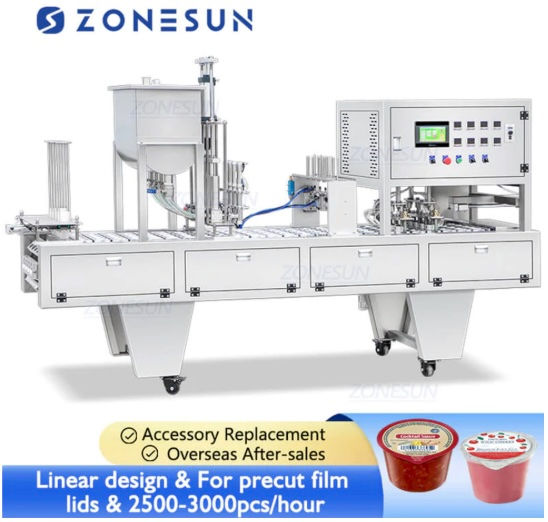
The cosmetic industry is growing rapidly, and manufacturers are always looking for better ways to improve production quality and save valuable time. From skincare creams and lotions to shampoos, serums, and liquid makeup products, accurate filling is an important part of the manufacturing process. A cosmetic filling machine helps businesses fill different cosmetic products into bottles, jars, tubes, and other containers with greater precision and consistency.
Manual filling may work for very small production quantities, but it can become difficult when a company needs to handle hundreds or thousands of products every day. An automated or semi-automated filling system can make the entire operation more organized while reducing product waste and maintaining a consistent filling volume.
What Is a Cosmetic Filling Machine?
A cosmetic filling machine is specialized equipment designed to transfer cosmetic products into their final containers. Depending on the product, the machine can be used for filling liquids, creams, gels, lotions, oils, and other cosmetic formulations.
The main purpose of this equipment is to deliver the correct amount of product into every container. This helps manufacturers maintain uniform product quality and gives customers the same quantity in every package.
Modern machines are available in different designs and capacities. Some models are suitable for small cosmetic businesses, while high-speed systems are designed for large manufacturing facilities. The right machine depends on factors such as product thickness, container shape, production volume, and required filling accuracy.
Why Accurate Filling Matters in Cosmetics
Accuracy is extremely important in cosmetic manufacturing. If one bottle contains more product than another, the manufacturer may lose money because of unnecessary product usage. On the other hand, underfilling can affect customer satisfaction and may create packaging or compliance concerns.
A reliable filling system helps maintain consistent quantities throughout the production process. This is particularly useful for expensive cosmetic formulas where even a small amount of product loss can increase manufacturing costs.
For companies that produce premium skincare products, accurate filling also supports a professional brand image. Customers expect every container to provide the quantity mentioned on the label, making precise filling an important part of quality control.
Different Types of Cosmetic Products It Can Handle
One of the useful features of modern filling equipment is its ability to work with a wide range of cosmetic formulations. Depending on the machine configuration, it may be used for products such as facial creams, moisturizers, liquid foundations, shampoos, conditioners, body lotions, hair oils, and cosmetic gels.
Thicker products usually require a different pumping mechanism compared with thin liquids. For example, a cream may need a piston or servo-driven filling system, while a free-flowing liquid can often be handled by other types of filling technology.
This is why manufacturers should select equipment according to the characteristics of their products instead of choosing a machine based only on production speed.
How the Filling Process Works
The working process generally starts with the cosmetic product being stored in a hopper or holding tank. The product is then transferred toward the filling nozzles through a suitable pumping system.
Containers are positioned under the filling heads, either manually or through an automated conveyor system. Once the containers reach the correct position, the filling mechanism releases a predetermined quantity of product into each container.
After filling, the containers move to the next stage of production. Depending on the manufacturing setup, this may include capping, sealing, labeling, inspection, and packaging.
Sensors and control systems can help coordinate different stages of the process. In more advanced machines, operators can adjust filling volumes and production settings through a digital control panel.
Advantages for Cosmetic Manufacturers
One of the biggest benefits of using filling equipment is improved productivity. Manual filling requires workers to measure and transfer products repeatedly, which can take a significant amount of time. Automated machinery can perform the same task much faster and with less manual effort.
Another important advantage is consistency. The machine can be configured to dispense similar quantities into each container, helping manufacturers achieve a uniform final product.
It can also reduce material waste. When the filling process is properly calibrated, there is less chance of overfilling containers or spilling valuable cosmetic formulas.
Businesses can also benefit from improved workplace organization. Instead of depending entirely on manual operations, employees can focus on monitoring production, checking quality, and handling other important tasks.
For companies planning to increase production in the future, investing in a suitable cosmetic filling machine can be an effective way to support long-term manufacturing growth.
Choosing the Right Machine for Your Business
Selecting the correct filling equipment requires careful consideration. Every cosmetic product has different properties, so the machine should be compatible with the formula being produced.
The first factor to consider is product viscosity. Thin liquids, medium-viscosity lotions, and thick creams may require different filling technologies. Manufacturers should also consider the size and shape of their containers.
Production capacity is another important point. A small business may not need a high-speed industrial system, while a large factory may require multiple filling heads to achieve its daily production targets.
Cleaning and maintenance should also be considered before making a purchase. Cosmetic products can leave residue inside tanks, pipes, and nozzles, so equipment that is easy to clean can help maintain better hygiene and reduce downtime.
Businesses looking for advanced production solutions can also explore modern cosmetic filling machine options that are designed to improve efficiency and filling performance.
The Role of Automation in Modern Cosmetic Production
Automation is changing the way cosmetic products are manufactured. As customer demand continues to increase, manufacturers need systems that can handle higher production volumes without compromising consistency.
Automated filling machines can be integrated with other equipment to create a complete production line. For example, a filling system may work together with bottle feeders, capping machines, labeling systems, and packaging equipment.
This type of integration allows products to move smoothly from one stage to another. It can also reduce the amount of repetitive manual work required during production.
Some advanced systems offer programmable controls, sensors, and automatic adjustments. These features can make it easier for operators to manage different product sizes and production requirements.
Maintenance and Hygiene Considerations
Regular maintenance is essential for keeping cosmetic filling equipment operating efficiently. The machine should be cleaned according to the manufacturer's recommendations, especially when switching between different cosmetic formulations.
Filling nozzles, pumps, hoses, and product-contact parts should be inspected regularly. Any buildup or residue should be removed properly to maintain product hygiene and prevent contamination.
Routine maintenance can also help identify worn components before they cause major production problems. A well-maintained machine generally provides more reliable performance and can reduce unexpected downtime.
Manufacturers should train operators to use the equipment correctly. Proper training helps prevent operational mistakes and ensures that the machine is used according to its intended specifications.
Conclusion
A cosmetic filling machine can play an important role in improving the efficiency and consistency of cosmetic manufacturing. By automating the filling process, businesses can achieve better accuracy, reduce unnecessary product waste, and increase overall production capacity.
Whether a company produces skincare creams, lotions, shampoos, oils, or other cosmetic formulations, selecting suitable filling equipment can make a noticeable difference in daily operations. The best choice depends on the product's viscosity, container design, required production speed, and desired level of automation.
As the cosmetic market continues to expand, manufacturers are increasingly focusing on reliable and efficient production systems. With the right filling solution and proper maintenance, cosmetic businesses can improve their workflow while maintaining consistent quality across their product range.


