
Designing a Comfortable Home With Plants, Heating, and Better Zoning
I walked into a renovated Melbourne terrace one winter evening and noticed something unusual. The thermostat read 19 °C, yet every guest said the home felt warmer than houses set far higher.
The feeling came from design choices, not brute force. A mature rubber plant grounded the living room, heavy linen curtains sealed the windows, and a reverse-cycle unit hummed on low.
That mix is what real comfort looks like. Heating and cooling use about 40% of household energy in Australia, and each extra degree can raise HVAC costs by 5-10%.
Quiet airflow, warmer light, better zoning, and well-placed greenery change what people feel the moment they walk in. Treat warmth as both a physics problem and a styling decision, and the house feels richer while the system works less.
Key Takeaways
Takeaway: Lasting comfort comes from reducing heat loss, heating only used rooms, and making lower setpoints feel better through design. Once a renovation moves from planning to commissioning, zoning, placement, and control setup matter just as much, which is why many homeowners in Melbourne working through ducted upgrades and controls integration book expert heater installation Melbourne services before locking in the final system layout.
Use reverse-cycle heating first. Heat pumps can deliver 3-6 units of heat for each unit of electricity.
Keep winter targets sensible. Most homes feel comfortable at 18-20 °C when drafts, lighting, and textiles are handled well.
Zone living and sleeping areas. Heating occupied rooms cuts waste faster than raising the whole-house setpoint.
Use bathroom radiant heat briefly. A timed 3-in-1 unit gives fast comfort without running the main system.
Let plants shape the mood. Grouped greenery softens hard surfaces and adds visual warmth near seating.
Stay realistic about air quality. Pot plants help wellbeing, but ventilation and low-emission finishes do the heavy lifting.
What Luxury Home Comfort Actually Means
Takeaway: Luxury comfort is steady, quiet, and easy to forget because it feels natural.
COP measures heat-pump efficiency. A COP of 3 means one unit of electricity delivers three units of heat. A setpoint is the target temperature, zoning means separate control of different areas, and radiant heat warms people and surfaces directly.
Biophilic design means using natural forms and plants indoors to reduce visual stress. When greenery, warm light, and stable airflow work together, a room at 19 °C can feel better than a dry room pushed to 24 °C.
Plan First: Reduce the Load Before You Buy
Takeaway: The cheapest heat is the heat your home never loses.
Seal gaps at doors, windows, and skirting boards before shopping for larger equipment. Add ceiling insulation where possible, and hang full-length curtains with pelmets on exposed windows so warm air stays inside at night.
When you compare reverse-cycle units, use Australia’s Zoned Energy Rating Label and size the system for room volume, orientation, and local climate. Oversized units short-cycle, which means they turn on and off too often and lose efficiency.
Wall splits usually beat ducted systems for efficiency because they avoid duct losses and large fan draws. Ducted systems still suit homes that need concealment and even whole-home coverage.

Smart Heating Foundations
Takeaway: Reverse-cycle heating should do most of the work in an Australian home.
Heat pumps commonly deliver 3-6 units of warmth for each unit of electricity, so they outperform resistance heaters and usually undercut gas on running cost. Victorian guidance supports winter setpoints around 18-20 °C and summer cooling around 25-27 °C.
Program a morning warm-up 30-45 minutes before wake time, then use an away setback for empty hours. Keep thermostats out of direct sun and away from lamps, ovens, and supply vents.
Clean filters monthly during heavy use. A dirty filter restricts airflow, lowers efficiency, and makes a good system sound worse than it should.
Zoning and Sensors: Heat Where You Live
Takeaway: Heating occupied rooms beats heating empty air.
Split living areas from sleeping areas and use doors as thermal boundaries. In a ducted system, motorised dampers, a central controller, and wireless room sensors stop one hallway thermostat from deciding comfort for the whole house.
Start with two to four zones, then adjust after a week of real use. If your schedule changes daily, add occupancy-based setbacks so spare rooms drift lower until someone actually needs them.
This approach matches practical guidance from Victorian councils, which stresses heating only the rooms people are using.
Plant Styling for Perceived Warmth
Takeaway: Plants make rooms feel warmer because they soften edges and add visual depth.
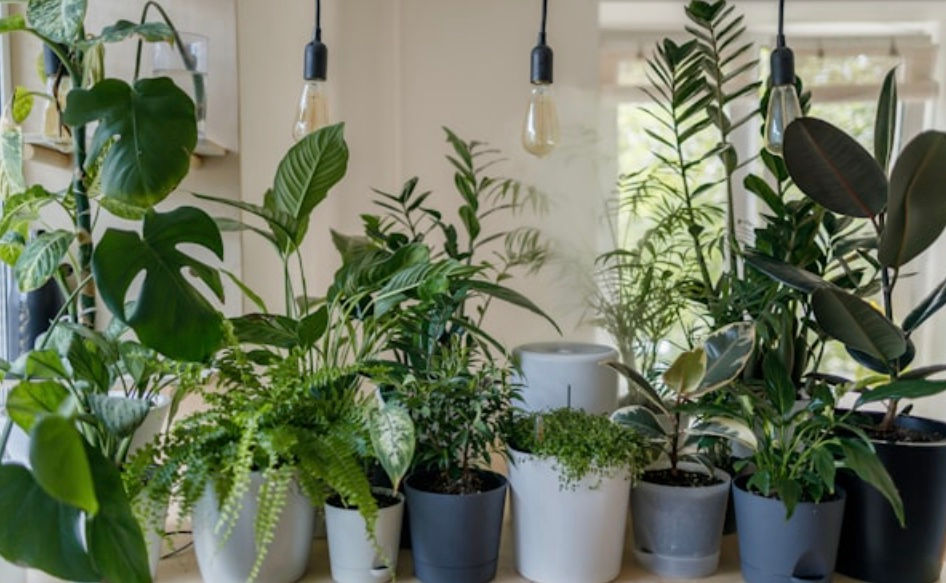
Large forms like Ficus elastica or Monstera deliciosa anchor living spaces, while pothos, hoya, and philodendron fill shelves and awkward corners. Grouping plants near a sofa can slightly lift local humidity, especially if you use pebble trays and keep relative humidity around 40-60%.
Pair greenery with walnut, bouclé, linen, and warm lamplight. These cues tell the body a room is settled and comfortable, even when the thermostat stays modest.
Room-by-Room Playbook
Takeaway: Small room-specific choices prevent big comfort problems later.
Living Room: Aim for 19-20 °C, place a large plant beside the sofa rather than in front of glazing, and use dimmable lamps to warm the mood after sunset.
Kitchen And Meals: Hold 18-19 °C, keep thermostats away from ovens, and choose hardy foliage well clear of the cooktop and steam.
Bedrooms: Keep a separate 17-18 °C zone, use heavy drapery, and leave the air return clear so the system can circulate properly.
Study: Heat only when occupied, usually around 19 °C, and close the door to speed warm-up and hold heat during work hours.
Bathroom: Use radiant heat for five to ten minutes before showering, run exhaust during bathing and for ten minutes after, and keep towels on rails, not over lamps.
These settings are modest, but they work because each room supports the setpoint instead of fighting it. Once heating, curtains, and traffic flow are sorted, the final layer is usually greenery sized to the space, and homeowners who want a mature anchor plant, a trailing shelf piece, or a named cultivar often choose to shop rare plants online before styling day.
Air Quality: Evidence-Based Expectations
Takeaway: Plants help a room feel better, but they do not replace ventilation.
Controlled research led by the University of Technology Sydney found certain indoor plant systems removed toxic petrol fumes, including benzene. Benzene is a volatile organic compound, or VOC, which is a gas released from fuels and some household products.
A 2019 peer-reviewed review found ordinary potted plants do not meaningfully clean a whole room at normal building ventilation rates. Use low-VOC finishes, good extraction, and fresh-air control first, then let plants carry the aesthetic and wellbeing benefits.
Shop Rare Plants Online
Takeaway: Online plant buying works best when you need specific size, shape, or variety, not just any green filler.
A hero plant changes scale immediately, which is why mature specimens usually justify the higher upfront cost. Before ordering, check your light levels, ceiling height, pot diameter, and access path so the plant can enter the home without snapped leaves or awkward re-potting on arrival.
Build groupings with three heights: a tree-form anchor, a bushy mid-layer, and a trailing piece. If you want a named cultivar, which is a distinct plant variety with a specific pattern or growth habit, clear listings matter.
When that level of certainty matters, many homeowners turn to specialist nurseries such as Nursery2U, where the listed specimen size and plant identity are usually clearer than they are on generic marketplaces. Once the order arrives, isolate new plants for a few days, inspect for pests, and water only when the potting mix actually needs it.
Controls and Routines
Takeaway: Pre-set routines stop comfort from turning into constant manual fiddling.
Four routines cover most homes: Morning Warm-Up, Work-From-Home, Entertaining, and Away. Each one should target only the rooms in use, with bedrooms dropping first and living areas holding steady only when people are present.
Keep overrides simple, then review weekly energy reports or controller logs. Small changes to start times and zone temperatures usually save more than dramatic thermostat swings.
Budget, ROI, and Sustainability
Takeaway: Spend first on upgrades that cut heat loss, then on features that improve feel.
Draught sealing, insulation, and an efficient reverse-cycle unit usually return more value than decorative add-ons bought too early. Once the shell and system are working, mature plants, better curtains, and dimmable lighting deliver the visible comfort people notice every day.
Protect floors with saucers and drip trays, and treat filter cleaning, pruning, and pest checks as normal operating costs. A one-degree reduction in setpoint can still save 5-10% on HVAC energy use.
Compliance, Safety, and Care
Takeaway: Safe comfort depends on licensed work and regular maintenance.
In Victoria, open-flued gas heaters should be serviced at least every two years by a licensed gasfitter. Electrical work, including bathroom heat-lamp installation, must be completed by a licensed professional with the right certificate of compliance.
Check manufacturer clearances, wet-area rules, and ceiling-cavity requirements before installation. Service reverse-cycle units annually, clear outdoor condensers, and clean filters more often during peak use.

Shop Bathroom Heat Lamp Online
Takeaway: Bathroom heat lamps work best as short, focused radiant heat, not as all-day space heaters.
A typical Australian 3-in-1 unit combines heat lamps, an exhaust fan, and light under one ceiling grille. As a guide, a 2 x 275 W setup suits compact ensuites, while a 4 x 375 W arrangement better suits larger rooms or higher ceilings.
Before you compare trims and prices, confirm the cut-out size, airflow rate, ceiling depth, switching options, and wet-area suitability. These details decide whether a unit is easy to install and pleasant to use after the renovation dust is gone.
Many renovators compare wattage, extraction, trims, and ceiling-finish options before they buy, because those details affect both installation ease and how polished the room feels afterwards. When the goal is a fast, spa-like warm-up with a timer and the right airflow rating for your exact ceiling depth and layout, it helps to start with shop bathroom heat lamp online before matching the unit to the room. Pair the unit with a timer wall plate and separate heat and fan switching so warm-up stays quick and moisture control stays reliable.
30-Day Makeover Plan
Takeaway: A month is enough to feel a real difference if you fix the biggest leaks first.
Week 1: Seal obvious draughts, clean HVAC filters, and set a winter scene at 19 °C.
Week 2: Add heavy curtains where glass loses the most heat, then place a hygrometer in the main living area.
Week 3: Bring in three to five plants, a warm task lamp, and wireless room sensors for the most-used zones.
Week 4: Review comfort notes, shorten or extend routines, and fine-tune bathroom warm-up times.
Common Mistakes to Avoid
Takeaway: Most comfort failures come from simple mismatches between the home and the way it is used.
Heating the whole house instead of the rooms people occupy
Placing plants in cold drafts or in front of the air return
Using bathroom heat lamps as continuous heaters
Letting sunlight, ovens, or lamps fool the thermostat
Skipping filter cleaning until airflow drops and noise rises
FAQ
Takeaway: A few practical details make the difference between a system that looks good and one that works well.
What Is The Best Winter Thermostat Setting For An Australian Home?
Victorian guidance points to 18-20 °C for winter heating. If the room still feels cold at that range, fix drafts, add curtains, and improve lighting before you raise the setpoint.
Which Plants Cope Best With Low-Light Rooms?
ZZ plants, sansevieria, and pothos handle lower light well and still add strong shape. They are useful in bedrooms, hall corners, and studies that do not get full sun.
Are Ducted Systems Less Efficient Than Wall Splits?
Usually, yes. Wall splits avoid duct losses and large fan draws, but ducted systems still make sense when concealment, whole-home coverage, and cleaner sightlines matter more.
How Long Should I Preheat A Bathroom With A Heat Lamp?
Five to ten minutes is usually enough. Radiant lamps work quickly, so the goal is to warm the person and nearby surfaces, not the whole house.
Do Grouped Plants Raise Humidity Enough To Notice?
They can lift humidity in the area right around the grouping, especially near seating or shelves. They will not change the whole room in a major way without help from other moisture-control measures.
How Do I Check That An Installer Is Properly Licensed?
For reverse-cycle work, confirm ARCtick licensing through the Australian Refrigeration Council. For electrical work, ask for a certificate of compliance from the licensed electrician who carried out the installation.
Expert Heater Installation Melbourne Services
Takeaway: Installation quality decides whether an efficient system actually feels efficient.
Use ARCtick-licensed technicians for reverse-cycle work, and confirm that indoor and outdoor units have proper airflow, drainage, and access for service. Good commissioning, which is the final setup and testing stage, includes correct refrigerant charge, balanced airflow, sensor placement, and a clear handover on timers and zones.
If you are comparing contractors, ask who will test the system under load and who will return for post-install tweaks once the household has lived with it for a week or two. For ducted zoning, reverse-cycle upgrades, or controls integration, many homeowners work with Savage Air so the finished system is licensed, balanced, and visually tidy.


