
Does Vibroacoustic Therapy Really Work? The Science and Benefits of Sound Vibration Therapy
- 2 days ago
- 4 min read
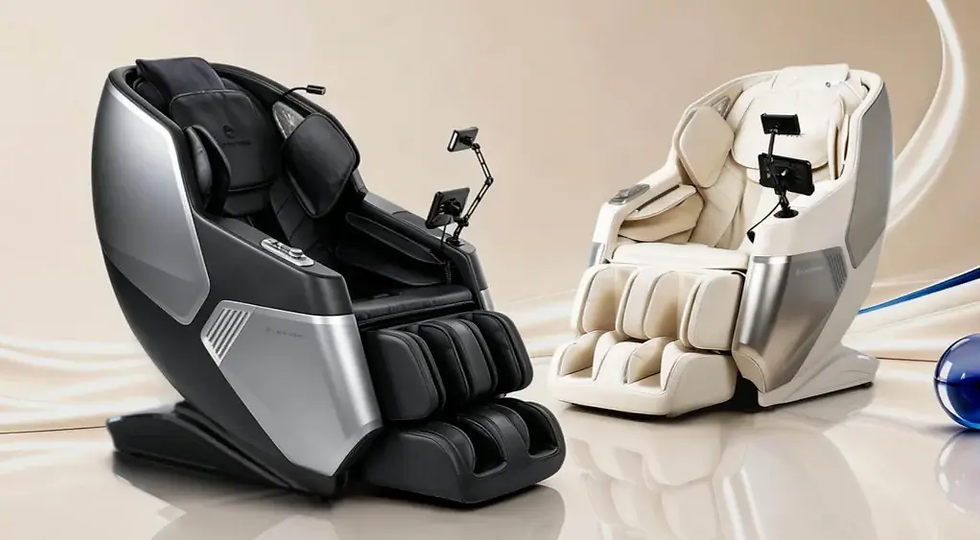
Sound you can feel. That's the pitch behind vibroacoustic therapy, and it's why people looking for a non-invasive way to unwind, take the edge off everyday stress, or add something to a routine they already keep coming back to it. The setup pairs music or selected low-frequency sound with gentle vibration that reaches you through your body, not just your ears.
Fair question: does it actually work, or is it another wellness trend with good marketing?
Here's where the research sits. There's real potential, mostly around relaxation, perceived pain and emotional well-being. There are also holes. The evidence is still developing, and it is not a replacement for medical treatment.
What Is Vibroacoustic Therapy?
Low-frequency sound waves create gentle mechanical vibration, and a specialized surface, usually a chair, cushion or bed, passes that vibration into the body. You hear it and feel it at the same time. That's the whole difference between this and putting on a calm playlist.
The concept isn't complicated. Sound doesn't have to arrive only through the ears. Transducers turn selected audio frequencies into subtle vibration that travels through the body, so the experience is auditory and tactile at once.
The research picture is thinner than the marketing. A 2022 scoping review published in BMJ Open went through the studies on vibroacoustic therapy for pain and for other physical and psychological outcomes. What the reviewers found was considerable variation in treatment protocols, and not enough high-quality randomized controlled trials to say anything firm about effectiveness.
How Could Sound Vibration Affect the Body?
Nobody has this fully mapped yet. One explanation involves vibration, the nervous system, and how the brain handles competing sensory signals. Gentle rhythmic stimulation may change the way those signals get read.
Research into low-frequency sound stimulation suggests mechanical vibration can stimulate mechanoreceptors, the sensory receptors that respond to physical pressure and movement. A clinical study indexed by the National Library of Medicine looked at how low-frequency sound stimulation might influence pain perception through sensory and psychological mechanisms both.
Then there's the music, which people tend to skip past. Calm sound distracts you, slows your breathing, quiets the mental noise. Whatever effect vibroacoustic therapy produces is probably all of it working together: sound, vibration, attention, relaxation. Not the frequency doing something clever on its own.
Potential Benefits of Vibroacoustic Therapy
Relaxation and Stress Reduction
The easiest one to notice, and the least controversial. You sit or lie down comfortably, slow rhythmic sound plays, gentle vibration runs through you, and the body gets a break from the constant input it's been handling all day.
Research on music and low-frequency sound has found possible relationships with stress, mood and physiological responses. But responses vary between people, sometimes a lot. So treat it as a complementary wellness approach, not a guaranteed treatment.
Support for Pain Management
Vibroacoustic therapy has also been studied as an adjunct for people dealing with pain. The 2022 scoping review identified 20 studies in adults with pain, most of it chronic. The same authors flagged substantial differences between those studies and called for better-designed clinical trials.
Worth being clear about what that means. Potential isn't proof. Nothing here shows that vibroacoustic therapy treats a medical condition on its own.
Muscle Comfort and Physical Relaxation
Gentle vibration can simply feel good, particularly when you're seated or reclined comfortably. Some low-frequency sound research has reported outcomes around muscle stiffness, mobility, circulation and perceived pain. Take those carefully. The methods differ from one study to the next.
Choosing Vibroacoustic Therapy Equipment
Equipment matters more here than people expect. A vibroacoustic therapy chair is designed to send sound-generated vibration through the body while holding you in an ergonomic position, which suits anyone who prefers a seated relaxation routine.
A vibroacoustic therapy chair may also recline or offer zero-gravity positioning, so your weight spreads out more evenly while you listen. Want a bigger contact surface? Vibroacoustic beds carry vibration across more of the body. Portable cushions are the smaller, lower-commitment option.
On the consumer side, the Lifevibe vibroacoustic massage chair puts massage-chair functionality and vibroacoustic stimulation in the same unit. It's a good example of how vibration technology gets built into a broader relaxation experience. Check the specifications, comfort, safety features, warranty terms and intended use before you commit to anything in this category.
Is Vibroacoustic Therapy Scientifically Proven?
Not yet. Promising, but not proven.
Research has identified potential effects from vibration and acoustic stimulation. The problem is consistency. Studies use different frequencies, different intensities, different session lengths, different equipment, different outcome measures. The 2022 review said the available evidence was too sparse and too heterogeneous to determine which characteristics of vibroacoustic therapy are the ones doing the work.
That isn't a verdict against it. It means the field still needs larger, better-controlled studies to answer who benefits most, which protocols work best, and how long any improvement holds.
A Complementary Approach to Wellness
So where does that leave someone thinking about buying one?
Vibroacoustic therapy works best as a complement: auditory and tactile stimulation together, layered onto the health and wellness practices you already follow. Its strongest use right now is probably the simplest one, a structured setup for relaxation and comfort.
Go in with realistic expectations, whether it's a chair, a cushion or a bed, and think about your own circumstances. And if you have a medical condition, an implanted medical device, significant sensory sensitivity or any other health concern, speak to an appropriate healthcare professional before using therapeutic vibration equipment. That part isn't optional.
The picture may sharpen as research continues. Right now you have a plausible scientific basis, a handful of encouraging findings, and not enough rigorous clinical evidence to say what sound vibration therapy is really capable of.


