
Essential Governance Practices for Luxury Condominium Associations
- Jul 29
- 4 min read
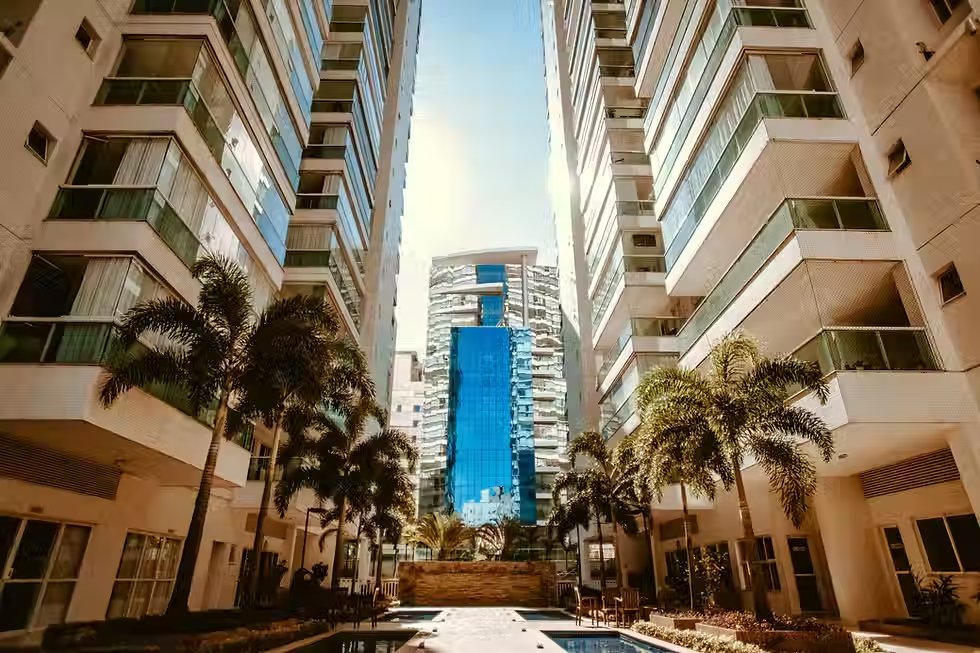
Managing a luxury condo requires hotel-level service. You want the building to look great. You want everyone to feel safe and happy. You also want property values to stay high year after year.
As real estate billionaire and Starwood Capital Group Chairman Barry Sternlicht notes, "Clean [the property] up. Pay attention. Do everything a little better. Focus."
Good governance is the secret that keeps everything moving smoothly. When governance is weak, small problems turn into costly headaches fast. But that doesn’t happen when governance is strong.
If you just joined your condo board, do not worry. You do not need a law degree or a finance degree to succeed. You just need clear goals, fair rules, and a good plan for your community.
In this article, we will share some essential governance practices to help you manage your luxury condominium association.
Maintain Financial Health and Robust Reserves
Money matters can make or break a condo community. When people buy a luxury condo, they expect top-tier service. They want working elevators, shiny lobbies, and clean pools. Keeping those standards high costs money. That is why smart financial management is your top priority.
As buyers seek resilient assets, residential deal volumes are rebounding by 8% for high-quality properties. Maintaining top physical standards is critical to preserving your property's value.
Financial health starts with an honest look at your current budget. A solid budget accounts for daily costs like staffing, utilities, cleaning, and routine repairs. But daily costs are only half of the overall picture. You must also prepare for major repairs that happen every 10 to 30 years.
Fund your reserves every single month. A reserve fund covers major future repairs like roof replacements, elevator overhauls, and exterior painting.
For luxury buildings, a well-funded reserve avoids unexpected special assessments that cause owner hardship and friction. To stay prepared, hire a reserve specialist every 3 to 5 years to assess your building's components, lifespan, and future costs.
Always keep reserve money in safe Federal Deposit Insurance Corporation (FDIC)- insured bank accounts or low-risk government bonds. Your main goal is preserving capital, not chasing high-risk investment returns.
Navigate Statutory Compliance and Legal Standards
Legal rules for condominiums are changing fast across the U.S. Lawmakers are introducing stricter safety codes, inspection rules, and mandatory reserve laws. If your board ignores state laws, you face heavy fines, legal liability, or criminal charges.
Over the past few years, coastal states have overhauled their building safety laws. Florida laws, such as House Bill 1021, now require condos 3 floors or higher to undergo regular structural inspections and reserve studies.
Florida has also introduced HB 913. According to Ledgerly, this bill improves condo living through safer aging buildings (inspections and reserves), open financial records for owners, and stricter board accountability.
If you want to understand these strict statutory standards, a guide to Florida condominium statutes gives a clear breakdown of recent legislative updates.
The financial consequences of ignoring these safety updates are already hitting real estate values hard. Florida condo values have dropped 1% to 6% monthly since July 2024. Older buildings have been hardest hit, depreciating 22% over two years due to post-Surfside safety laws.
To stay out of legal trouble, review your state's condo statutes annually with a specialized real estate attorney. Also, save meeting minutes, financial statements, and inspection reports digitally for quick owner access.
Cultivate Strong Committee Partnerships
Running a luxury condo association is too much work for a small board to handle alone. Board members are volunteers with personal lives, careers, and families. Attempting to do everything yourself leads to burnout and missed details.
The solution is building strong, active committees. Committees bring fresh ideas, share the workload, and give residents a real voice in their community.
You do not need dozens of committees, but three or four focused groups make a huge difference. These include:
Finance Committee: Helps draft the annual budget, reviews vendor bids, and monitors monthly spending.
Building Safety and Maintenance Committee: Inspects common spaces, reviews reserve studies, and works with engineering contractors.
Social and Welcome Committee: Plans community events, welcomes new residents, and builds community spirit.
Architectural Review Committee: Reviews unit renovation plans to protect building structure and soundproofing standards.
Give every committee a clear charter. A charter is a simple one-page document that explains the committee's purpose, duties, and limits.
Remind volunteers that committees make recommendations, but the board makes final decisions. Setting this boundary early prevents misunderstandings later.
FAQs
What personal liability do condo board members face?
Board members generally enjoy legal protection under the business judgment rule and liability insurance, provided they act in good faith and without gross negligence.
How do boards enforce community rules fairly without favoring neighbors?
Boards create written enforcement procedures, send formal notices with equal grace periods, and offer fair appeal hearings before assessing any fines or legal action.
Can individual unit owners attend board meetings and speak?
Yes, most state laws allow owners to attend regular board meetings and share brief feedback during a designated resident forum before voting occurs.
Key Statistics
Governance Category / Focus Area | Statistic / Metric | Context & Impact |
Market Resilience & Value | 8% Increase | Residential deal volumes rebounded by 8% for high-quality properties as buyers sought resilient assets. |
Reserve Planning Frequency | Every 3 to 5 Years | Recommended frequency to hire a reserve specialist to assess building components, lifespans, and future repair costs. |
Recent Monthly Price Impact | 1% to 6% Monthly Drop | Florida condo values declined 1% to 6% per month (starting July 2024) due to strict safety and reserve mandates. |
Long-Term Price Impact on Older Buildings | 22% Depreciation | Older Florida condo buildings depreciated by 22% over two years following post-Surfside safety laws. |
Good governance in a luxury condo is not about strict rules or heavy authority. It is about protecting your neighbors' biggest financial investments and creating a peaceful home environment.
Follow these practices, and your board will set the standard for excellent luxury living. Your building will stay safer, your property values will remain strong, and your community will thrive for years to come.


