
Functionality Is the New Fashion Standard: How Style Is Becoming Smarter Than Ever
- Jun 29
- 7 min read
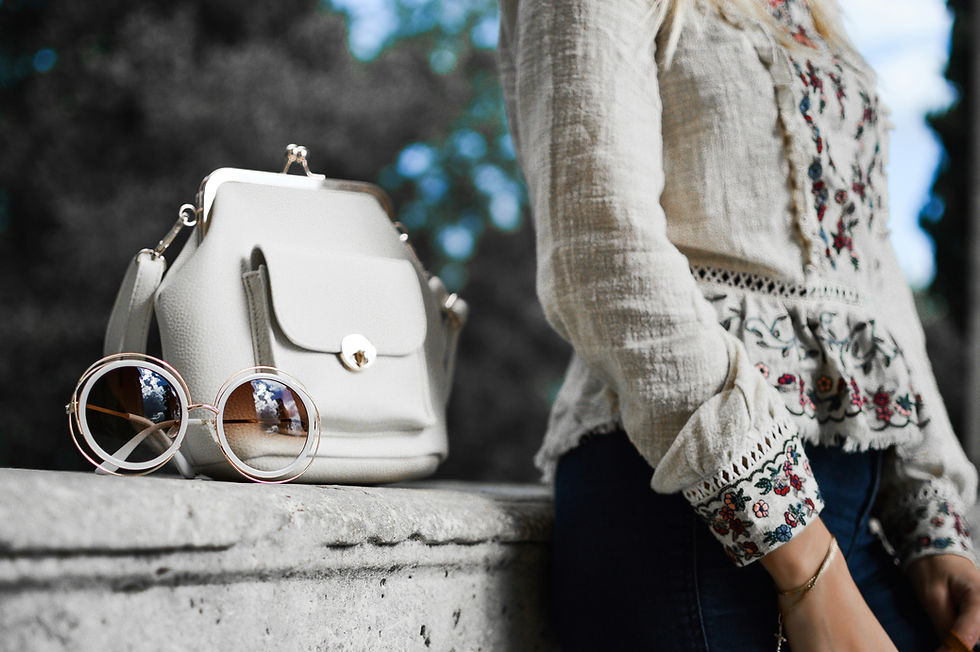
What if the most fashionable item in your wardrobe wasn't the trendiest one, but the one you used the most? How often do you buy clothes that look great in the store but spend most of their life hanging in your closet? And why are more consumers choosing versatile, durable garments over fast-changing trends?
The answers reflect a major shift taking place across the fashion industry. According to the United Nations Environment Programme, the fashion industry generates around 92 million tonnes of textile waste every year, making it one of the world's largest contributors to environmental pollution. At the same time, research from the Ellen MacArthur Foundation shows that the average consumer buys significantly more clothing than two decades ago, while garments are worn for a much shorter period before being discarded. These changing consumption patterns have encouraged both consumers and brands to rethink what makes clothing truly valuable.
Instead of chasing trends alone, people are increasingly searching for pieces that combine style, comfort, durability, and practicality. Fashion is no longer judged only by appearance. Today, the garments that earn a permanent place in our wardrobes are often the ones that make everyday life easier. Functionality has evolved from an added benefit into one of the defining qualities of modern fashion.
The Shift from Fast Fashion to Purposeful Design
The rise of functional fashion reflects broader changes in consumer behavior. For years, fast fashion encouraged people to buy inexpensive, trend-driven clothing that was often worn only a handful of times before being discarded. While this approach made fashion more accessible, it also contributed to excessive waste and unsustainable consumption.
Today's shoppers are becoming more selective. Instead of filling their wardrobes with countless trendy items, many prefer investing in fewer pieces that offer greater value over time. A well-designed garment that combines durability, comfort, and versatility is often considered a better investment than multiple inexpensive alternatives.
Purposeful design means every detail matters. Designers carefully consider fabric performance, pocket placement, ease of movement, temperature regulation, and long-term durability. Rather than creating clothing for a single occasion, brands increasingly focus on garments that fit seamlessly into everyday life.
This philosophy has helped redefine luxury as well. Premium fashion is no longer measured solely by exclusive materials or elaborate craftsmanship, but also by intelligent design that genuinely improves the wearer's experience.
Comfort Has Become a Luxury
One of the most noticeable changes in modern fashion is the growing importance of comfort. The global shift toward remote work, flexible schedules, and more casual lifestyles has permanently altered consumer expectations.
People now spend long hours wearing the same outfit throughout different parts of the day. Clothing must be suitable for working from home, commuting, meeting friends, traveling, or exercising without requiring constant outfit changes.
As a result, stretchy fabrics, ergonomic cuts, breathable materials, and lightweight construction have become highly desirable features. Tailored clothing is now often designed with hidden elastic waistbands, flexible fibers, and wrinkle-resistant textiles that allow unrestricted movement while maintaining a polished appearance.
Consumers increasingly associate comfort with quality. If a garment looks exceptional but feels uncomfortable after several hours, many buyers simply won't wear it again. Functional comfort has become one of the strongest indicators of successful design.
Technology Is Transforming Fashion
Innovation in textile technology has significantly accelerated the movement toward functional fashion. Modern fabrics offer capabilities that were unimaginable only a decade ago.
Performance materials can regulate body temperature, wick away moisture, resist stains, block harmful UV rays, and even neutralize odors. Some advanced textiles incorporate recycled fibers without sacrificing durability or softness, allowing sustainability and functionality to coexist.
Smart clothing is also beginning to enter mainstream markets. Wearable technology can monitor physical activity, heart rate, posture, and body temperature while remaining nearly invisible within the garment itself. Although these innovations are still developing, they illustrate how fashion is increasingly merging with technology.
Consumers are becoming accustomed to expecting more from their clothing. Rather than asking whether a jacket looks stylish, they also want to know how waterproof it is, how breathable it feels, how easily it packs, and how long it will last.
Fashion is becoming performance-oriented without sacrificing design.
Versatility Is Replacing Single-Purpose Clothing
Modern wardrobes are becoming smaller yet more capable. Instead of owning separate outfits for every occasion, many consumers prefer versatile pieces that can adapt to multiple environments.
A blazer that works equally well in the office and at dinner. Shoes suitable for commuting, meetings, and weekend outings. Dresses that transition effortlessly from daytime events to evening occasions with only minor accessory changes.
This shift reflects changing lifestyles. People move between professional, social, and recreational settings more fluidly than ever before. Clothing that supports these transitions saves both time and money while reducing unnecessary consumption. The same philosophy has extended beyond apparel to accessories, with products such as an anti theft purse offering both style and practical security for commuters, travelers, and anyone navigating busy urban environments.
Neutral color palettes, minimalist aesthetics, and timeless silhouettes contribute to this versatility. Rather than following short-lived fashion trends, many brands emphasize enduring designs that remain relevant across multiple seasons.
Functionality therefore extends beyond physical performance—it also includes stylistic flexibility.
Sustainability and Functionality Go Hand in Hand
Functional fashion often aligns naturally with sustainable principles. Garments designed to last longer reduce the need for frequent replacement, lowering both environmental impact and consumer spending.
Durable construction, reinforced stitching, premium fabrics, and repairable components all contribute to longer product life cycles. Consumers increasingly recognize that buying one high-quality coat capable of lasting ten years is more sustainable than purchasing several cheaper alternatives during the same period.
Many brands are also designing modular clothing systems. Detachable linings, removable hoods, reversible jackets, and interchangeable accessories allow a single garment to serve multiple purposes throughout different seasons.
These innovations maximize the usefulness of each product while minimizing waste.
Sustainability is no longer solely about recycled materials; it is also about creating clothing people genuinely want to wear for many years.
Fashion for Real Life
Historically, fashion often reflected aspiration rather than reality. Runway collections showcased artistic creativity but were not always practical for everyday life.
Today's consumers demand clothing that fits their actual routines. Urban mobility, cycling, travel, remote work, and unpredictable weather all influence purchasing decisions.
Designers now consider practical questions alongside aesthetic ones:
Can this jacket protect against sudden rain?
Does this fabric breathe during warm weather?
Will these trousers remain comfortable during a long flight?
Can this dress be machine washed?
Does this bag distribute weight comfortably?
These considerations represent a significant evolution in design philosophy. Fashion is becoming increasingly human-centered, prioritizing the needs of everyday users rather than purely visual impact.
Gender-Neutral and Inclusive Design
Functionality has also encouraged more inclusive approaches to clothing design. Rather than focusing exclusively on traditional gender categories, many brands now prioritize universal comfort, adaptability, and accessibility.
Adjustable fits, flexible sizing systems, and simplified silhouettes allow garments to accommodate a wider range of body types. Adaptive clothing designed for individuals with disabilities has likewise gained greater attention, incorporating magnetic closures, easy-access fasteners, and ergonomic construction.
This inclusive mindset reflects a broader understanding that functionality should benefit everyone.
Fashion succeeds when it removes barriers rather than creating them.
Consumers Are Redefining Value
The definition of value in fashion has evolved considerably. Price alone no longer determines whether a garment is considered worthwhile.
Instead, consumers evaluate clothing through several practical questions:
How often will I wear it?
Does it work in multiple situations?
Is it comfortable throughout the day?
Will it remain durable after repeated washing?
Does it justify its cost over several years?
A garment that performs exceptionally well across these criteria often provides far greater value than an expensive item worn only once or twice.
This shift has encouraged brands to communicate product performance more clearly, highlighting durability tests, fabric technology, repair services, and long-term warranties alongside traditional style messaging.
Digital Influence and Consumer Expectations
Social media has played an important role in accelerating functional fashion. While visual appeal remains essential, online creators increasingly discuss practical product features such as durability, storage capacity, weather resistance, and everyday usability.
Consumers frequently search for reviews demonstrating how clothing performs under real-life conditions rather than relying solely on promotional photography.
Video platforms have become especially influential because they allow viewers to observe garments in motion, evaluate fit, and understand practical details before making purchasing decisions.
Transparency has therefore become another important aspect of functionality. Buyers expect honest information about product performance rather than exaggerated marketing claims.
The Future of Functional Fashion
The future of fashion will likely involve even greater integration between design, technology, sustainability, and personalization.
Artificial intelligence may help brands recommend garments tailored to individual lifestyles rather than simply matching aesthetic preferences. Advanced textiles could automatically adapt to changing temperatures or environmental conditions. Circular fashion systems may enable garments to be repaired, upgraded, or recycled more efficiently than ever before.
Customization will also become increasingly important. Consumers want clothing that reflects both their personal style and their daily routines, creating opportunities for brands to offer modular, adaptable products.
Rather than separating fashion from functionality, future designers will treat them as inseparable elements of excellent design.
Fashion is entering a new era where appearance alone is no longer enough. Modern consumers expect clothing to support their lifestyles, provide lasting comfort, adapt to multiple situations, and remain durable over time. Functionality has evolved from a niche concept into one of the industry's defining principles.
This transformation benefits consumers, brands, and the environment alike. Practical garments encourage more thoughtful purchasing decisions, reduce unnecessary waste, and deliver greater long-term value. At the same time, advances in textile technology and design innovation ensure that practical clothing no longer sacrifices style.
The most successful fashion of the future will not simply make people look good—it will help them live better. As wardrobes become more versatile, sustainable, and intelligent, functionality is no longer just an added feature. It has become the new standard by which great fashion is measured.


