
Graphite Plate Supplier: How to Find the Right One
- 4 days ago
- 3 min read
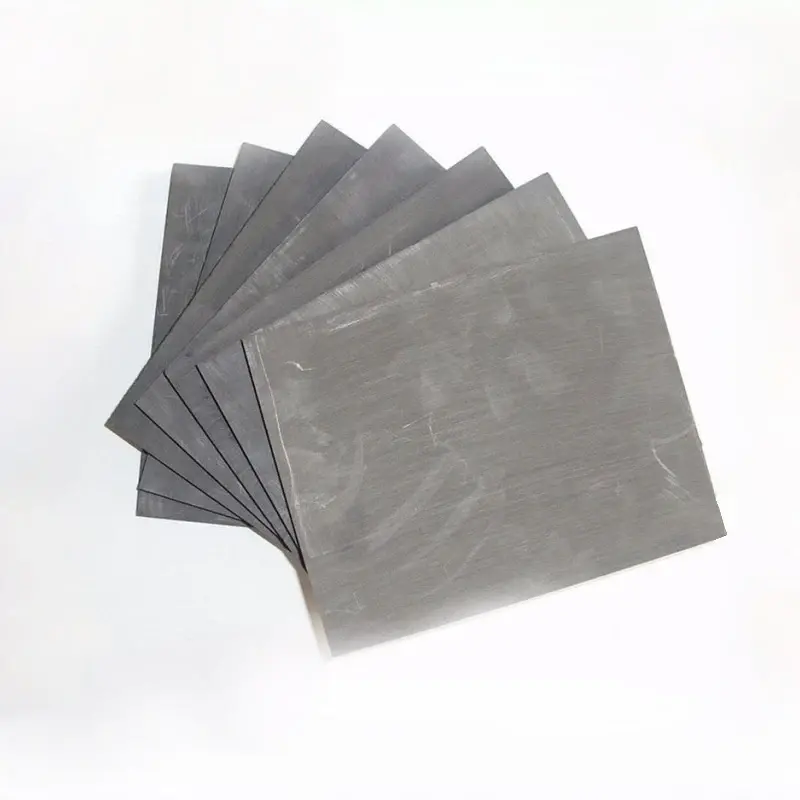
Sourcing graphite plates for industrial use is about more than comparing catalog prices. The supplier you choose directly affects material consistency, delivery reliability, and how well the final product performs in your specific application — whether that's sealing systems, electrical components, or high-temperature furnace linings. Here's how to evaluate a graphite plate supplier before you commit to an order.
Why Supplier Choice Affects Product Performance
Graphite plates can vary widely depending on raw material quality, impregnation methods, and manufacturing precision. Two plates with the same listed specifications can behave very differently under real operating conditions if one supplier cuts corners on quality control. That's why vetting the supplier — not just the spec sheet — is a critical step in the sourcing process.
What to Look for in a Graphite Plate Supplier
1. Range of Grades and Impregnation Options
A capable supplier should offer multiple grades — pure carbon graphite, resin-impregnated, metal-impregnated, and electrographite — so you can select the right material for your specific mechanical, thermal, or electrical requirements rather than settling for a generic option.
2. Custom Sizing and Machining
Many applications require plates cut, drilled, or machined to precise tolerances. Confirm whether the supplier offers in-house machining capabilities or only supplies raw stock, since outsourced machining can add delays and inconsistency.
3. Technical Documentation
Reliable suppliers provide detailed technical data sheets covering density, porosity, compressive strength, thermal conductivity, and maximum operating temperature — information you'll need to confirm the material fits your application.
4. Quality Control and Certifications
Look for ISO 9001 certification as a baseline, along with any industry-specific certifications relevant to your sector, such as aerospace, semiconductor, or chemical processing standards.
5. Production Capacity and Lead Times
For larger or recurring orders, confirm the supplier has the capacity to meet your volume needs consistently, along with realistic and dependable lead times.
6. Sample Availability
A trustworthy supplier should be willing to provide sample plates for testing before you commit to a bulk order — this lets you verify performance in your actual application first.
7. Pricing Transparency and Order Flexibility
Compare not just unit pricing, but minimum order quantities, bulk discounts, and whether the supplier can accommodate smaller trial orders as well as large production runs.
8. Customer Support and Technical Guidance
The best suppliers act as technical partners, helping you select the right grade and troubleshoot issues rather than simply fulfilling orders.
Industries That Rely on Graphite Plate Suppliers
Chemical processing – corrosion-resistant linings and gaskets
Power generation – seals and bearing components
Electrical manufacturing – brushes and conductive contacts
Semiconductor production – high-purity precision components
Metallurgy and foundry – furnace linings and high-temperature parts
Aerospace – thermal protection and structural components
Questions to Ask a Potential Supplier
What grades and impregnation options do you offer, and which do you recommend for my application?
Can you provide technical data sheets and certificates of analysis?
Do you offer custom machining, and what tolerances can you hold?
What are your typical lead times for standard and custom orders?
Can you provide sample plates before I place a bulk order?
Do you have references or case studies from companies in my industry?
Final Thoughts
Choosing the right graphite plate supplier is a decision that pays off well beyond the initial purchase price. A supplier with strong technical expertise, consistent quality control, and flexible production capabilities will save you time, reduce the risk of part failure, and support your operations as they scale. Take the time to vet potential suppliers thoroughly — the material's performance in your application depends on it.


