
How Ecommerce Fulfillment Improves Customer Experience: Speed, Transparency, Returns, and Global Delivery
Updated: Oct 8
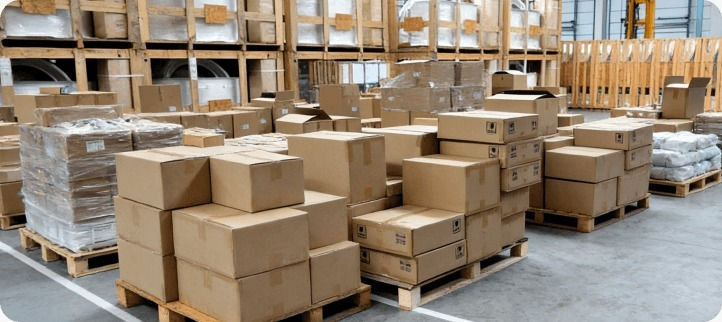
Delivery speed has evolved from an operational metric into a customer experience strategy. Faster fulfillment reduces uncertainty, increases customer trust, improves conversion rates, and encourages repeat purchases. As consumer expectations continue to rise, ecommerce businesses that invest in efficient fulfillment systems are likely to gain significant advantages in customer retention and brand loyalty.
Why Delivery Speed Has Become a Core Part of Customer Experience
For modern online shoppers, delivery is no longer considered a separate logistics process that happens after payment. Instead, shipping speed has become an essential part of the purchasing experience itself. Consumers increasingly compare brands not only by product quality or price but also by how quickly an order arrives at their doorstep. As ecommerce competition intensifies, fulfillment speed has become one of the strongest differentiators between stores that retain customers and those that lose them after a single purchase.
The rapid growth of marketplaces that offer next-day or even same-day delivery has significantly changed customer expectations across almost every ecommerce category. What was considered premium service a few years ago is gradually becoming the standard benchmark for customer satisfaction.
Faster Order Processing Reduces Customer Anxiety
One of the biggest sources of post-purchase anxiety is uncertainty. After placing an order, customers immediately begin wondering whether the order was received correctly, when it will be shipped, and how long delivery will take.
Efficient fulfillment operations minimize this uncertainty by shortening the period between payment confirmation and shipment. Orders that are processed within hours rather than days provide customers with immediate reassurance that the seller is reliable and organized.
A fulfillment system that automatically synchronizes orders, generates shipping labels, and transfers order information directly to warehouse operations can significantly reduce delays caused by manual intervention. Using software for delivery management can also help ecommerce teams coordinate dispatch, track deliveries, improve communication, and keep orders moving with fewer manual delays. Even reducing processing time from forty-eight hours to twenty-four hours can create a noticeable improvement in customer perception.
Delivery Speed Directly Influences Repeat Purchases
Customer acquisition costs continue to rise across advertising platforms, making customer retention increasingly valuable for ecommerce businesses. Fast fulfillment contributes directly to repeat purchase behavior because customers tend to associate smooth delivery experiences with overall brand quality.
Research across ecommerce markets consistently shows that consumers are more likely to buy again from stores that deliver quickly and predictably. The product itself may satisfy the original need, but the fulfillment experience often determines whether customers return for future purchases.
This is particularly important for categories involving frequent purchases such as beauty products, supplements, pet supplies, or household goods, where convenience often becomes more important than small price differences between competitors.
Shorter Delivery Times Reduce Cart Abandonment
Shipping expectations influence purchasing decisions long before an order reaches the warehouse. Customers frequently abandon their shopping carts when estimated delivery times appear too long or uncertain.
For example, a customer comparing two similar products may choose the store offering delivery within three days instead of the store requiring two weeks for shipping. In many situations, faster delivery creates a competitive advantage that outweighs minor pricing differences.
As ecommerce markets become increasingly saturated, fulfillment speed can function as a conversion optimization tool rather than merely an operational expense. Reducing delivery times improves not only customer satisfaction after purchase but also conversion rates before the transaction even occurs.
Distributed Warehousing Makes Faster Delivery Possible
The ability to deliver quickly often depends on warehouse location rather than courier performance alone. Businesses using multiple fulfillment centers or overseas warehouses can position inventory closer to customers and significantly shorten transit times.
Regional warehousing strategies allow brands to reduce shipping distances, lower transportation costs, and improve delivery consistency. For international ecommerce sellers, local fulfillment centers can transform delivery expectations from several weeks to only a few days.
This operational advantage becomes increasingly important in cross-border ecommerce, where long shipping times have historically been one of the largest barriers to customer satisfaction.
Fast Delivery Strengthens Brand Perception
Customers rarely separate logistics performance from brand performance. Delayed deliveries, slow processing times, and inconsistent shipping experiences often damage brand reputation even when the product itself meets expectations.
Conversely, fast and reliable fulfillment creates positive emotional responses that customers associate directly with the seller. Receiving an order earlier than expected often generates stronger satisfaction than many traditional marketing activities can achieve.
This positive perception contributes to higher customer lifetime value, stronger word-of-mouth recommendations, and improved online reviews, all of which support long-term business growth.
How Ecommerce Fulfillment Improves Customer Experience with Real-Time Tracking and Delivery Visibility
In modern ecommerce, customers no longer judge fulfillment only by speed. They also evaluate how much visibility they have throughout the delivery journey. Real-time tracking has shifted from being a premium feature to a standard expectation, especially as global logistics networks become more complex and cross-border shopping continues to grow.
When customers place an order online, they enter a waiting period filled with uncertainty. Without clear updates, even a fast-shipping order can feel slow. This perception gap makes logistics transparency a critical part of overall customer experience design.
Reducing Uncertainty Through Real-Time Order Updates
One of the most important roles of ecommerce fulfillment systems is reducing uncertainty after purchase. Real-time tracking bridges the gap between warehouse dispatch and final delivery by continuously updating customers on order status.
Instead of waiting passively, customers can see each stage of the fulfillment process, including order confirmation, warehouse picking, packing, shipment handover, and transit updates. This visibility creates a psychological effect where waiting feels shorter and more controlled.
From a behavioral perspective, uncertainty often generates more dissatisfaction than actual waiting time. When customers know exactly where their package is, they are significantly less likely to contact support or assume something has gone wrong.
How Tracking Systems Reduce Customer Support Load
Real-time tracking does not only improve customer satisfaction; it also improves operational efficiency. In traditional ecommerce setups without tracking visibility, a large percentage of customer service requests are related to “Where is my order?” inquiries.
By integrating fulfillment systems with logistics providers, brands can automatically sync tracking numbers and shipping events. This reduces the need for manual customer support responses and allows service teams to focus on more complex issues such as returns, refunds, or product-related questions.
Over time, this reduction in repetitive support requests lowers operational costs while simultaneously improving response quality for high-value customer interactions.
Delivery Visibility Builds Trust in Cross-Border Ecommerce
For international ecommerce stores, trust is one of the most significant barriers to conversion. Customers purchasing from overseas sellers often worry about lost packages, customs delays, or unreliable shipping routes.
Real-time tracking directly addresses these concerns by making the entire logistics journey visible. Even when delivery takes longer due to distance, customers are more accepting when they can observe consistent progress updates.
This transparency is especially important in cross-border fulfillment, where delays are more likely but communication can compensate for slower transit times. A well-structured tracking experience can often make a two-week delivery feel more reliable than a faster but opaque shipping process.
Predictive Delivery Estimates Improve Customer Planning
Modern fulfillment systems go beyond simple tracking updates by providing estimated delivery windows. These predictions allow customers to plan their schedules around expected arrival times, which increases the perceived convenience of the service.
When delivery estimates are accurate, customers develop a sense of reliability toward the brand. Over time, this reliability becomes part of the brand identity itself. However, when estimates are inaccurate or frequently changed, trust can quickly deteriorate, even if actual shipping speed is acceptable.
Therefore, fulfillment accuracy is not only about logistics execution but also about maintaining consistent communication between systems and customers.
Real-Time Visibility Strengthens Emotional Confidence
Beyond functional benefits, tracking visibility also plays an emotional role in customer experience. Each update reassures the customer that their purchase is progressing as expected.
This continuous feedback loop reduces post-purchase anxiety and increases satisfaction even before the product arrives. In many cases, customers begin forming positive impressions of the brand during transit rather than after delivery.
This emotional reinforcement is particularly important for high-value products or first-time buyers who are still evaluating whether the brand is trustworthy.
How Ecommerce Fulfillment Improves Customer Experience Through Easy Returns and Reverse Logistics
In ecommerce, the customer experience does not end when a product is delivered. In fact, for many buyers, the most important part of the experience is what happens if the product does not meet expectations. This is where returns and reverse logistics play a decisive role in shaping trust and purchase behavior.
Modern consumers increasingly evaluate online stores not only by product selection or price but also by how easy it is to return an item. A clear, simple, and low-friction return process reduces hesitation before purchase and directly improves conversion rates.
Reducing Purchase Anxiety Through Flexible Return Policies
One of the strongest psychological barriers in online shopping is uncertainty. Customers cannot physically inspect products before buying, which naturally increases perceived risk. A well-designed fulfillment system reduces this risk by offering flexible return options.
When customers know they can return a product easily, they are more willing to complete a purchase. This is especially important in categories such as fashion, footwear, electronics accessories, or custom goods, where fit, appearance, or compatibility may vary from expectations.
A generous return policy is not just a customer service feature. It functions as a trust-building mechanism that directly influences buying decisions at the checkout stage.
Reverse Logistics as a Competitive Advantage
Behind every simple return experience is a complex reverse logistics system. Efficient fulfillment providers streamline this process by coordinating return labels, warehouse intake, quality inspection, and refund processing in a structured workflow.
When reverse logistics is optimized, returned products can be quickly restocked or processed without delays. This efficiency reduces operational losses and ensures that inventory levels remain accurate.
For customers, the most important outcome is speed. Fast refunds or exchanges create a perception of fairness and reliability, which significantly improves long-term brand loyalty.
How Easy Returns Increase Conversion Rates
A smooth returns experience often has a direct impact on sales performance. Many customers hesitate to complete a purchase when return policies are unclear or appear complicated.
In contrast, stores that clearly communicate “easy returns” or “no-hassle refunds” tend to experience higher conversion rates. This is because the perceived risk of buying decreases significantly when the return process feels safe and predictable.
In ecommerce psychology, reducing friction at the decision stage is often more powerful than offering discounts. A strong return policy effectively removes one of the last remaining objections before purchase.
Local Return Warehouses Improve Customer Satisfaction
One of the most effective strategies in modern fulfillment is the use of local return centers. Instead of shipping returned items internationally, customers can send products back to a nearby warehouse.
This approach reduces return shipping time, lowers costs, and simplifies the entire process. For cross-border ecommerce sellers, local return infrastructure can transform a potentially frustrating experience into a seamless one.
Customers are more likely to trust brands that offer local return addresses because it signals operational maturity and commitment to customer convenience.
Refund Speed Shapes Brand Perception
While many businesses focus on delivery speed, refund speed is often equally important for customer satisfaction. Delays in refund processing can create frustration even when the return itself is accepted.
Efficient fulfillment systems integrate payment gateways and order management tools to automate refund workflows. This reduces manual approval steps and ensures customers receive their money back quickly.
Fast refunds reinforce the idea that the brand is trustworthy and customer-centric, which significantly improves the likelihood of repeat purchases in the future.


