
How Much Does Sidewalk Repair Cost in NYC?
- Jul 28
- 4 min read
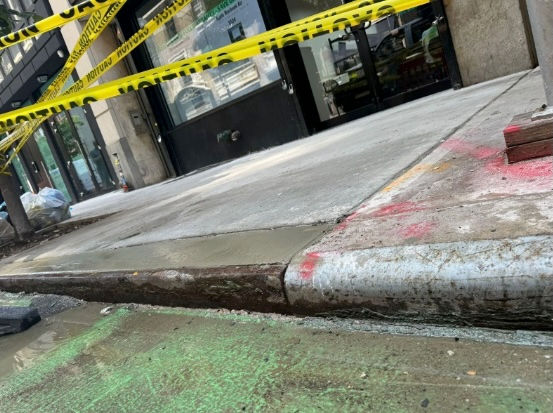
If you own property in New York City, the sidewalk in front of your building is your responsibility. Not the city's. That surprises a lot of homeowners the first time they get a violation notice from the Department of Transportation.
So the question comes up fast: how much is this actually going to cost me?
The short answer is that most sidewalk repairs in NYC run somewhere between $5 and $25 per square foot, depending on the type of damage and the size of the job. But that range hides a lot of detail, and the details are what actually determine your bill. Companies like QuickFix Sidewalk NYC deal with sidewalk maintenance jobs every day, and the pricing pattern they see is pretty consistent across the boroughs.
Let's break it down.
The Basic Price Ranges
For a small patch job, maybe 20 to 50 square feet of cracked or uneven concrete, you're usually looking at $500 to $1,200. This covers a single bad slab or a short stretch of minor cracking.
Medium repairs, somewhere around 100 square feet, tend to land between $1,500 and $3,000. This is a common size for a residential frontage that needs a full slab replaced.
Larger or more complicated jobs, including corner properties, tree root damage, or full commercial frontages, can run from $3,000 up to $7,000 or more. Commercial sidewalks often cost more per square foot because the concrete needs to handle heavier foot traffic and sometimes vehicle loads.
If you break it down by square footage instead of job size, standard broom-finish concrete usually costs $5 to $15 per square foot installed. Full replacement across multiple flags can run $15 to $25 per square foot, especially in Manhattan, where staging space is tight and access is harder for crews.
Why the Price Range Is So Wide
A few things push the cost up or down on any given job.
Site conditions. A sidewalk that's easy to access, with room for a mixer truck and no obstructions, costs less to repair than one squeezed between a tree pit, a fence, and a fire hydrant.
Tree roots. Trees are one of the biggest causes of sidewalk damage in NYC. When roots have lifted or cracked a slab, the contractor may need to coordinate with the Parks Department before doing any concrete work. Root-related repairs typically add $250 to $1,000 or more to a job.
Permits. A standard DOT sidewalk permit costs around $70 and covers up to 300 linear feet of frontage. It's a small line item compared to the labor and material costs, but it's required before any legal work can start.
ADA compliance. Corner properties sometimes need curb ramps or adjusted flags to meet accessibility standards. This kind of work adds $500 to $2,000 depending on scope.
Material choice. Standard concrete is the most affordable option. Bluestone, which is common in historic districts, can run $25 to $50 per square foot or more because of the material cost alone.
The DOT Violation Factor
This is the part that catches people off guard. If a DOT inspector flags your sidewalk (or a neighbor reports it through 311), you'll get a notice of violation. You then have 75 days to get the repair done through a licensed contractor of your choosing.
Miss that window, and the city steps in. A DOT-assigned contractor will do the work instead, and you'll be billed through your property taxes at rates that are often two to three times higher than what you'd pay hiring someone yourself. That's the single biggest reason to act early rather than wait.
If you've already received a notice and you're not sure where to start, getting a written estimate from a licensed local contractor is the first move. It gives you a real number instead of a guess, and it starts the clock on getting the violation cleared before the city takes over.
Residential vs. Commercial Pricing
Homeowners with a small frontage, say 25 square feet of damage, can expect to pay somewhere in the $1,000 to $3,000 range for a proper repair. Commercial properties, especially those with wider sidewalks or heavier usage, can see costs climb toward $7,000 for a comparable footprint, simply because the concrete specs are stricter and the work often needs to happen outside of business hours.
Property managers overseeing multiple buildings sometimes bundle several addresses into one contract to bring the per-square-foot price down. It's worth asking about if you're managing more than one property.
What a Fair Estimate Should Include
A trustworthy quote should break out labor, materials, permit fees, and any extra work like root removal or ADA adjustments separately. If a contractor gives you one flat number with no explanation of what's included, ask for a breakdown before you sign anything.
It also helps to get more than one estimate. Teams such as NYCConcreteRepair.com generally offer free on-site evaluations for sidewalks, which means you can compare pricing without paying for the estimate itself. Two or three quotes give you a realistic sense of the market rate for your specific job, rather than relying on a single number.
Ways to Keep Costs Down
Fixing small cracks early is almost always cheaper than waiting for them to turn into a full trip hazard. Once a crack passes half an inch of vertical displacement, it's classified as a hazard and becomes far more likely to trigger a violation.
Bundling permit and inspection costs into one visit, rather than scheduling separate trips, can also save money. And if your damage is caused by a city tree, it's worth checking whether you qualify for the NYC Trees and Sidewalks Program, which covers repair costs for eligible one, two, and three-family homes.
The Bottom Line
Sidewalk repair in NYC isn't a cheap masonry job, but the price is predictable once you understand what drives it. Small patch jobs start around $500. Full replacements can reach into the thousands, particularly with tree roots or ADA work involved. And ignoring a DOT violation is the fastest way to pay far more than you needed to.
If you're staring at a crack in your sidewalk or a violation notice in your mailbox, the smartest step is getting a real, itemized estimate before the 75-day clock runs out. It's a lot cheaper than letting the city handle it for you.


