
How to Avoid Costly Mistakes When Hiring House Painters
- Jul 11
- 3 min read
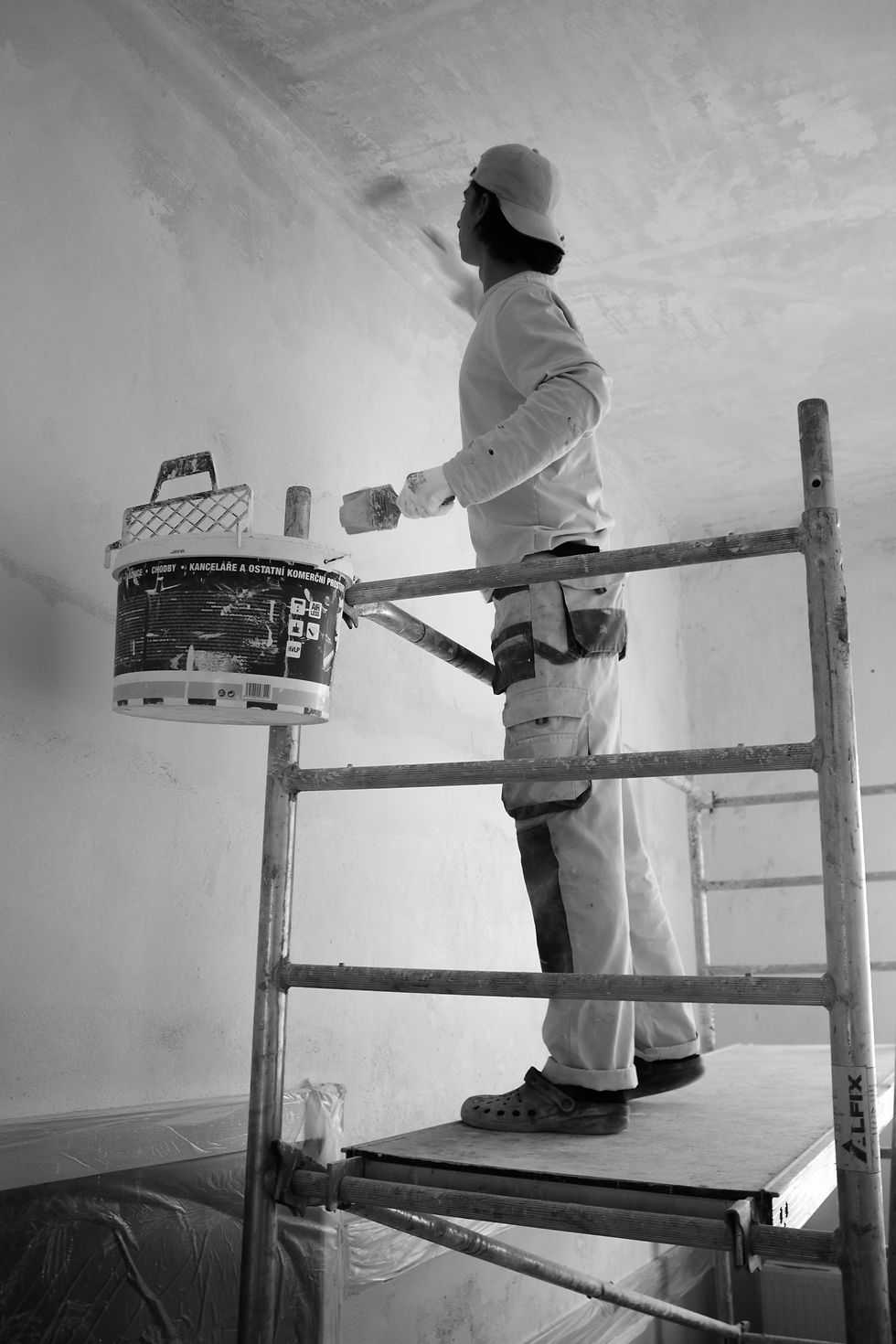
A fresh coat of paint can completely change the look and feel of a home. It can brighten tired interiors, improve street appeal, and even help protect your property from everyday wear. But getting great results isn't only about picking the perfect colour. Choosing the right painting contractor makes just as much difference.
Many homeowners rush into the process and later regret their decision. From unclear quotes to poor preparation, small oversights can lead to expensive fixes. Here's how to avoid the most common mistakes and make your next painting project a success.
Don't Choose Based on Price Alone
Everyone likes saving money, but the cheapest quote isn't always the best value.
A significantly lower price may mean shortcuts in preparation, lower-quality materials, or rushed workmanship. A paint job that starts peeling or fading after a short time often ends up costing more because it has to be redone.
Instead of comparing only the total price, ask what is included. A detailed quote should explain:
Surface preparation
Number of paint coats
Paint products being used
Estimated project timeline
Cleanup after completion
Knowing exactly what you're paying for makes comparing quotes much easier.
Ask About Surface Preparation
Preparation is often the difference between a finish that lasts for years and one that starts showing problems within months.
Professional painters spend plenty of time preparing walls before opening a paint tin. That can include:
Cleaning Surfaces
Dust, grease, mould, and dirt can stop paint from bonding properly.
Repairing Damage
Small cracks, dents, and nail holes should be patched before painting begins.
Sanding and Priming
Smooth surfaces create a much cleaner finish, while primer helps paint adhere evenly and improves durability.
If a contractor barely mentions preparation, that's worth questioning.
Check Experience With Similar Projects
Painting a modern apartment isn't the same as repainting an older Queensland home or a large commercial property.
Ask whether the contractor has completed projects similar to yours. Different buildings often require different products, techniques, and planning.
If you're researching local options, looking through the portfolio of Brisbane Professional Painters can give you a better idea of what experienced residential and commercial painting work typically looks like.
Make Sure Communication Is Clear
Good communication saves a surprising amount of stress.
Before work begins, you should know:
When the project starts
Daily working hours
Expected completion date
Who to contact with questions
What happens if weather causes delays
If communication feels confusing before you've even signed the agreement, it's unlikely to improve once work starts.
Ask About Paint Quality
Not all paint performs the same.
Higher-quality paints usually offer:
Better coverage
Longer-lasting colour
Improved resistance to stains
Easier cleaning
Better protection from Australia's harsh climate
Sometimes spending slightly more on premium paint reduces maintenance costs over the long term.
Read Reviews Carefully
Online reviews can reveal patterns that marketing brochures never will.
Rather than focusing only on star ratings, pay attention to comments about:
Reliability
Did the painters arrive when promised?
Workmanship
Were customers happy months after the project finished?
Cleanliness
Did the team protect furniture and clean up afterwards?
Problem Solving
How were unexpected issues handled?
Consistent positive feedback across these areas is usually a good sign.
Understand the Warranty
Before work begins, ask whether workmanship is guaranteed.
A reliable painting contractor should clearly explain:
What the warranty covers
How long it lasts
What situations are excluded
How warranty claims are handled
Having everything documented provides peace of mind long after the final coat has dried.
Don't Forget About Exterior Conditions
Exterior painting depends heavily on weather.
Humidity, rain, direct sunlight, and temperature all affect how paint dries and cures. Experienced painters know when conditions are suitable and when it's better to wait.
While delays can be frustrating, postponing work by a day or two is usually far better than applying paint under poor conditions.
Get Everything in Writing
Verbal agreements are easy to misunderstand.
A written quote or contract should include:
Total project cost
Scope of work
Paint products
Start and finish dates
Payment schedule
Warranty details
Having everything documented protects both you and the contractor.
Think Long Term Instead of Short Term
A quality paint job isn't just about making your home look better this month. It also helps protect walls, timber, render, and other surfaces from moisture, sunlight, and everyday wear.
Taking a little extra time to choose experienced painters, ask the right questions, and understand exactly what's included can save thousands of dollars in future repairs. A well-planned project delivers results you'll continue enjoying for many years.


