
How to choose a durable everyday bag
A bag becomes useful when it carries what you need comfortably, survives daily handling and fits the places you go. An attractive photograph shows its style but rarely answers how the straps feel, whether a laptop fits or how the material behaves in rain. In Tanzania, a typical day may include walking, public transport, work and errands, so practical details matter. Choosing well begins with the items you carry and the way you move, not with a label or a trend. This guide compares common materials and construction details, explains what to ask in a classified advert and shows how to inspect a bag before deciding.
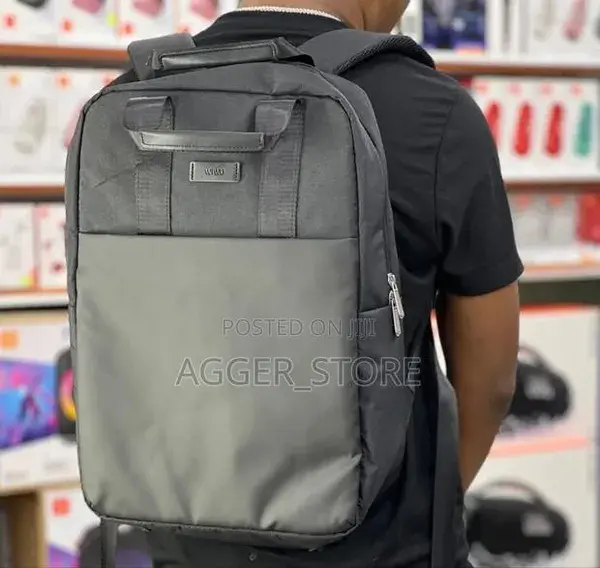
Start with a realistic load
Lay out the objects you carry most days: phone, keys, documents, water bottle, charger, notebook or computer. Estimate their combined weight and note which need quick access. A slim bag can be ideal for a few essentials but frustrating when you add a laptop or shopping. A large bag can hold more, yet it may encourage you to carry unnecessary weight. Choose a shape that suits your typical load, allowing a little spare room without making every item difficult to find.
Choose a carrying style for your route
A backpack spreads weight across both shoulders and leaves hands free. That can help during longer walks or when you need to use transport, though a bulky backpack may be awkward in crowded spaces. A shoulder bag gives faster access to contents and may suit shorter journeys, but a heavy load on one side can become uncomfortable. A small hand-carried bag can look neat for meetings while offering less flexibility. Try to imagine the entire journey, including queues, stairs and moments when you need both hands.
Before comparing bags on Umoja, decide whether you need a backpack, shoulder bag or hand-carried design. The category can include different styles and materials, so a title alone does not establish capacity or durability. Ask for dimensions and photographs of the inside, base and straps. A small number of relevant listings is enough to begin a comparison if each seller can answer practical questions. The best match is the bag that carries your actual load securely, not the one with the most impressive product name.
Check the length and adjustability of straps. A bag that hangs too low may move around when walking; one held too close can be difficult to open. A wide, well-attached strap is often more comfortable under weight than a thin decorative one. Handles should feel secure in the hand and not cut into your fingers. If the bag is for a laptop or other heavy item, put similar weight inside during inspection. Empty bags can feel comfortable while loaded ones reveal weak points.
Understand what material changes
Fabric bags can be light and flexible, but weave density, coating and stitching determine how they perform. Leather may develop character with use and can be repaired in some cases, yet it requires appropriate care and should not be judged by appearance alone. Synthetic leather varies widely; some surfaces are easy to wipe while others may peel after wear. Ask what the material actually is, especially when an advert uses the word “leather” loosely. If the seller cannot identify it, inspect the feel, backing and care label where available.
Think about the weather and where the bag will be stored. A bag may resist a brief splash without being waterproof. Zippers, seams and openings can let water in even when the outer material has a protective finish. If you carry electronics or papers, consider an inner sleeve or separate cover rather than trusting a vague rainproof claim. Darker colours may show less everyday dirt, while lighter colours can make contents easier to see. Choose material and colour according to the care you are willing to give.
Inspect the parts most likely to fail
Look closely at where handles and straps join the body. These points take repeated stress, particularly when the bag is full. Stitching should be even and secure, without loose ends or sections pulling away. Examine the base for abrasion and the corners for thinning. A reinforced base can help a bag keep its shape when placed on the floor. Decorative studs or a logo do not compensate for weak seams. Ask for close-up photographs of these areas if the advert only shows the front.
Open and close every zipper. It should move smoothly without catching the lining, and its ends should feel secure. Check buckles, magnetic closures and any adjustable hardware. A damaged zipper can make an otherwise good bag difficult to use or costly to repair. Look inside for torn lining, stains, detached pockets or an unpleasant smell that cleaning may not remove. On a used bag, ordinary surface wear can be acceptable; damage at a load-bearing point deserves much more caution.
Match compartments to what you carry
More pockets are not automatically better. A main compartment should fit the largest object without forcing the closure. Smaller pockets should keep keys or a charger easy to locate, rather than adding bulk. If you carry a laptop, measure the device and compare it with the usable internal space, not only the bag’s exterior dimensions. Check whether padding covers the bottom and sides. A label saying “laptop bag” does not guarantee fit for your particular device.
Consider security and access together. A rear pocket may keep important items closer to your body during travel, while a side pocket can make a water bottle easy to reach. An open tote may be convenient for quick errands but less suitable in rain or crowded transport. Test whether you can find your phone without emptying the bag. If a compartment is difficult to reach when the bag is worn, it may not be useful in daily life. Choose a layout that reduces friction in your routine.
Read listings with construction in mind
A good advert should show the actual bag from front, back, sides and inside. Ask about dimensions, material, condition, closures and included straps. Promotional photographs may not show the item currently available, so request current images before travelling. If the bag is described as new, ask whether it has been carried or displayed and whether there are any marks. A used bag should have wear described honestly, especially on its straps and base. Compare the description with the photographs rather than assuming either is complete.
Test comfort at the handover
Meet where there is enough light to inspect the bag and room to try it on. Bring the largest item you intend to carry or note its exact measurements. Load the bag lightly and walk for a minute. Notice whether the straps slide, the base sags or the opening becomes hard to reach. Check that closures still work when the main compartment is filled. A bag can have excellent materials and still be the wrong size or shape for you.
Review the colour and condition against the advert before paying. If a defect was not disclosed, you can ask about it or decline. Agree on the final price and which detachable parts are included. Keep the exchange in a public place when practical, and do not share unnecessary personal details. If shipping is involved, clarify packaging and what happens if the item arrives damaged or different from its description. Inspection in person is usually the clearest way to judge comfort and construction.
Care for the bag so it lasts
Follow the material’s care instructions where available. Empty crumbs and dust regularly rather than waiting for a major cleaning. A fabric bag may tolerate gentle spot cleaning, while leather and coated materials can require different products. Test any cleaner in an inconspicuous place before treating a visible area. Avoid soaking a bag unless the maker specifically permits it. Dry it away from intense heat and direct sun, especially if the material or adhesive may be affected.
A compact bag checklist
Load: does the bag fit your largest everyday item without strain?
Comfort: do the handles or straps work when the bag is filled?
Construction: are seams, base, zippers and hardware sound?
Material: do you know what it is and how to care for it?
Condition: does the actual item match the photographs and description?
The bottom line
Choose an everyday bag by its load, carrying comfort and construction. Measure what must fit inside, inspect the stress points and test every closure. Read material claims carefully and allow for the weather and care your routine permits. A close inspection of the actual bag tells you more than a stylish photograph. The best choice is one that keeps your essentials organised and remains comfortable after the first few minutes of use.


