
How to Choose the Right Shredder Blades for Efficient Recycling Operations
- Aug 3
- 4 min read
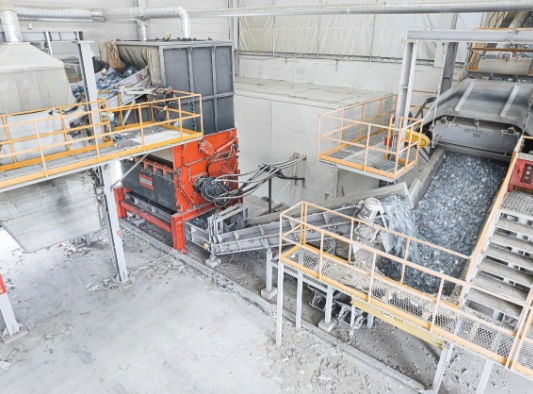
Recycling operations depend on industrial shredders to process a wide range of materials, including plastic waste, wood scraps, rubber, and other industrial materials. While the performance of the machine itself is important, the quality and condition of the cutting components often determine how efficiently the entire system operates. Worn or unsuitable blades can reduce cutting efficiency, increase energy consumption, and cause frequent maintenance issues that interrupt production schedules. Choosing the right shredder wear parts is essential for maintaining stable crushing performance, extending equipment service life, and reducing unexpected downtime in demanding recycling environments.
Why Shredder Blade Selection Matters in Recycling Operations
The performance of an industrial shredder depends heavily on the quality of its cutting components. Choosing the right blades helps recycling facilities maintain stable production, improve processing efficiency, and reduce unnecessary maintenance costs.
When blades become worn or unsuitable for the application, shredders may require more energy to process materials and experience reduced cutting performance. This can lead to lower productivity and more frequent downtime.
Durable blades designed for specific materials and machine requirements provide better cutting results and longer service life. For recycling operators, selecting the right components is not only about replacement but also about improving overall equipment reliability and controlling long-term operating expenses.
Common Types of Industrial Shredder Blades
Industrial shredders use different blade designs to handle various materials and processing requirements. Selecting the right blade type helps improve cutting efficiency and extend equipment performance.
Single Shaft Shredder Blades are commonly used for processing plastics, wood waste, and other lightweight materials. They provide consistent cutting performance and are suitable for applications that require controlled material size reduction.
‘Double Shaft Shredder Blades are designed for tougher applications where stronger cutting force is required. They are often used for processing materials such as municipal waste, tires, and industrial scrap due to their durability and higher impact resistance.
Hook Type and Serrated Blades feature specialized edge designs that improve material gripping and cutting ability. They are suitable for challenging materials that require stronger pulling and shearing performance.
Many operators also focus on selecting durable industrial shredder blades that match their processing requirements to achieve better efficiency and longer service life.
Key Factors When Choosing Shredder Blades
Selecting the right shredder blades requires more than choosing a standard replacement part. Factors such as material, wear resistance, cutting performance, and machine compatibility all affect blade life and overall shredding efficiency.
Blade Material and Hardness
The material of a shredder blade determines its ability to withstand heavy workloads. Common materials include alloy steel, tool steel, and hardened steel, each offering different levels of wear resistance and impact strength.
For applications involving soft materials, operators may prioritize sharp cutting edges and efficient processing. However, heavy-duty recycling operations require blades with higher hardness and toughness to handle continuous impact and abrasion.
Wear Resistance
During operation, shredder blades are exposed to constant friction, impact, and material abrasion. Blades with good wear resistance can maintain cutting performance for longer periods and reduce the frequency of replacements.
Proper heat treatment and stable hardness are important factors that improve durability. High-quality wear-resistant blades help minimize downtime and keep recycling equipment operating efficiently.
Cutting Performance
Blade design also plays an important role in shredding efficiency. Factors such as cutting angle, edge structure, and blade geometry affect how effectively materials are grabbed, cut, and discharged.
Well-designed blades can reduce material blockage, maintain consistent output size, and improve overall processing efficiency.
Machine Compatibility
Even a high-quality blade may not perform properly if it is not compatible with the shredder. Before selecting replacement blades, operators should consider the shredder model, rotor design, processed materials, and working conditions.
Using incorrectly matched blades may result in poor cutting performance, uneven wear, or additional stress on the equipment. Choosing components designed for the specific application ensures better reliability and longer service life.
The following table summarizes the main considerations when choosing shredder blades for different industrial applications.
Selection Factor | Why It Matters | Impact on Performance |
Blade Material | Determines strength, hardness, and resistance to impact and abrasion | Affects blade durability and service life |
Wear Resistance | Helps blades withstand continuous friction during shredding operations | Reduces replacement frequency and downtime |
Blade Design | Influences cutting efficiency, material gripping, and output consistency | Improves processing efficiency and reduces material blockage |
Material Application | Different materials require different cutting performance | Ensures better results when processing plastics, wood, rubber, or industrial waste |
Machine Compatibility | Blades must match the shredder model and rotor configuration | Prevents uneven wear and maintains stable operation |
Choosing shredder blades based on these factors helps recycling operators achieve better cutting performance, lower maintenance requirements, and more reliable equipment operation.
How Quality Wear Parts Reduce Downtime
For recycling facilities, unexpected downtime can be more expensive than the cost of replacing worn components. When shredder blades lose their cutting performance, production efficiency decreases and maintenance interruptions become more frequent.
Using reliable shredder wear parts helps extend replacement intervals, maintain stable processing performance, and reduce emergency repairs. Durable components can better withstand continuous impact and abrasion, allowing shredders to operate efficiently under demanding working conditions.
Choosing the right wear parts supplier is not only about purchasing replacement components. It is also about reducing long-term operating risks, improving equipment reliability, and helping recycling businesses maintain consistent productivity.
Conclusion
Choosing the right shredder blades plays an important role in improving recycling efficiency and maintaining reliable equipment performance. Factors such as blade material, wear resistance, cutting design, and machine compatibility should all be considered before selecting replacement components. By investing in suitable blades and following proper maintenance practices, recycling operators can reduce downtime, improve productivity, and achieve more consistent processing results. Reliable wear components help businesses handle demanding recycling applications with greater confidence while keeping their shredding operations running smoothly.


