
How To Hire A Roofer Who Can Handle A Complex Roofline
- Jul 12
- 4 min read
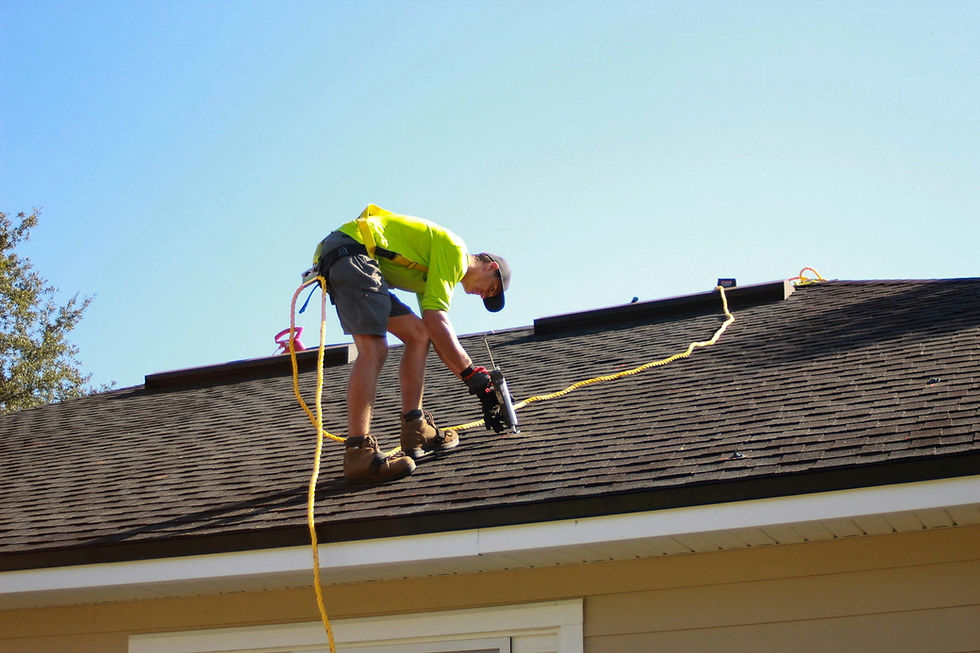
Hiring for a complicated roof comes down to one test, whether the crew has actually worked your exact roof system before. A shingle crew that runs asphalt all day is not automatically the roofer roswell ga homeowners should trust with a standing-seam metal porch or a low-slope rear addition. Those are two different trades wearing the same job title. Take a mid-century Roswell home with a low-slope addition off the back and a standing-seam metal porch roof out front, where the roof plane changes pitch and material within a few feet of itself, and you have a project that quietly filters out most of the phone book. Watch a generalist hesitate at that first transition between shingle and metal, and the skill gap stops being an abstraction. The roof tells you who belongs on it.
Not Every Roofer Can Work Every Roof
Roofing splits into systems, and each one carries its own failure points, tools, and detailing. A cool metal roof is not simply a color swap on top of the same install; done to spec, cool roofs and walls trimmed total HVAC use by about 6% to 12% in warm climates in a nationwide simulation study from the DOE Building America Solution Center, and that only holds when the panels, fasteners, and ventilation are installed the way the manufacturer specifies. A crew that lives on three-tab asphalt rarely handles that. The case we see most often is a homeowner who called three asphalt outfits before finding one who would even quote the metal section, let alone stand behind it. Water always finds the shortcut, and a low-slope roof punishes a shingle installer's ordinary habits inside a season or two.
Metal Tile And Low-Slope Demand Different Skills
Metal, tile, and low-slope membrane each ask for a separate playbook, and mixing them up is where jobs go wrong. Tile is heavy and brittle, so the deck and underlayment carry structural loads a shingle roof never sees, and a crew that treats it like heavy shingle will crack pieces and miss the batten spacing. Low-slope work depends on continuous membrane seams rather than gravity shedding water down a steep pitch, which means a single sloppy lap can flood a ceiling months later. Material prices are another reason this work is not cheap right now. In a May 2026 roundup, the Illinois Roofing Institute reported that Owens Corning had flagged roughly $60 million in added inflation costs plus about $13 million in net tariff costs in a single quarter. Those costs land in your estimate no matter which roof you own.
Here is a rule worth keeping in your head. If your roof is one simple plane of asphalt shingles, almost any licensed crew can do it well and you can shop on price. Once it involves metal panels, real clay or concrete tile, or a pitch under roughly three in twelve, you want someone who installs that specific system every single week, not once a summer.
Questions That Separate Specialists From Generalists
You can sort a specialist from a generalist in about five minutes on the phone. The trick is asking things a bluffing contractor cannot cover with a brochure line, since a real specialist answers in specifics while a generalist reaches for vague reassurance. Ask these before anyone climbs a ladder.
How many standing-seam metal roofs have you installed in the past year? A strong answer names a real count and a couple of nearby addresses you can drive past.
What underlayment and fastening pattern do you run on a low-slope section? A specialist names the product and the seam method without stalling.
Do you carry manufacturer certification for the metal or tile system you are quoting? The right answer is yes, with the brand stated plainly.
Who on your crew handles the flashing at valleys and pitch transitions? You want a named lead who does it daily, not a shrug and a maybe.
What The First Month Of Work Looks Like
A specialty job has a rhythm, and knowing it keeps you calm when the roof sits half-finished. The first week is usually inspection, measurement, and material ordering, because metal panels and tile get cut or sourced to your roof instead of pulled off a shelf. By the second week, tear-off and deck repair begin, and this is the stretch where hidden rot or a bad prior patch tends to surface and reset the schedule. Expect the loud, visible work, the panel or tile setting itself, to land around month one, weather permitting. Most complex reroofs wrap within 30 days of the first swing, though a stubborn week of Georgia rain will push that out. Nobody I know tracks how many jobs stall an extra week purely on weather, and I have never seen a clean number for it, so treat any promised finish date as a good-faith estimate rather than a guarantee.
Match The Crew To The Roof
The real decision is not price, it is the fit between the crew and the roof actually sitting on your house. Georgia weather makes a bad fit expensive; State Farm paid about $110 million in hail damage claims across Georgia in 2025, averaging near $17,000 for each affected customer, and complex rooflines are exactly where a rushed repair fails first. A crew that knows metal, tile, and low-slope systems prices that risk in before signing the estimate. When your roofline gets complicated, the roofer roswell ga homeowners recommend is the one who has already fixed the exact thing you are worried about. Match the crew to the roof, and the rest of the job gets far more predictable.


