
How to Move a Piano or Synthesator on a High Floor?
- May 22
- 4 min read
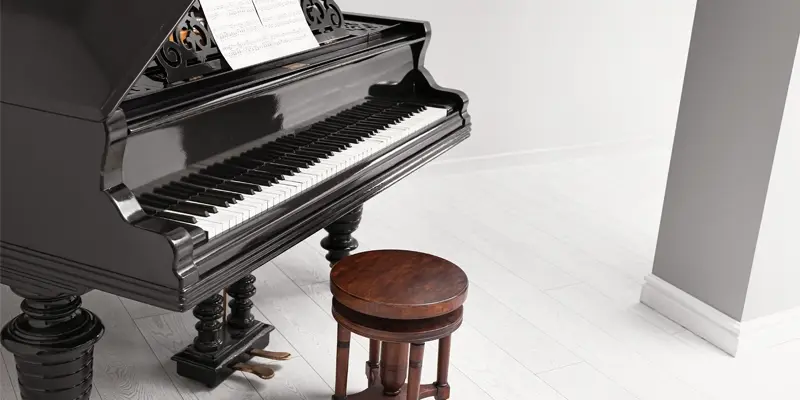
Moving heavy keyboard instruments to upper floors is a real test of your nerves and your back. In our experience, we often see people underestimate the weight of a standard piano, assuming that a couple of friends can easily handle the task. But carrying a massive instrument up narrow stairwells is a process that requires precision. Strength is certainly important here, but care and coordination are even more crucial. It only takes a slight misstep during a turn to ruin expensive flooring, damage the piano’s mounts, or injure someone. A safe move starts with good preparation.
Measure every inch of the route in advance
The main mistake in preparation is assuming the instrument will fit “by eye.” Before you move a piano upstairs, grab a tape measure. Measure the piano’s height and width, then walk the entire route from the car to the apartment or house with the tape measure. Note the width of doorways, the height of ceilings on landings, and the angles of the banisters. If the building has a freight elevator, be sure to check its load capacity and the diagonal dimensions of the elevator car. These measurements will help you immediately determine whether it’s possible to maneuver the piano on the landing between floors or if you’ll need to remove doors from their hinges.
Assess the actual weight and construction of the piano
Customers often ask what the difference is between transporting a heavy acoustic piano and a modern digital instrument. A classical piano weighs between 150 and 350 kg, while synthesizers are much more portable, weighing only 15 to 60 kg. They don’t require a Herculean effort to move, but their electronics must be handled with care.
Weight details for popular types of keyboard instruments:
Portable synthesizers: weigh only 5–15 kg and can be easily carried in a case by one person.
Classic digital pianos: weigh about 40–80 kg, can be disassembled into a stand and a keyboard unit.
Standard acoustic pianos: weigh about 200–260 kg, require significant effort from several people.
Understanding the instrument’s weight will help you properly distribute the physical load among everyone involved and avoid unpleasant surprises on the very first flight of stairs.
Use only professional equipment
Trying to lift a heavy piano using straps from an old bag or simply by holding onto the wooden body from below is a huge mistake. The instrument must be carried using special wide slings that are placed over the shoulders and back. In our experience, we have found that these slings redistribute the weight across large muscle groups, relieving the strain on the arms. You will also need thick construction gloves with a non-slip rubber coating and a cart with sturdy wheels for transport on flat floors.
Protect the instrument’s body and the walls of the stairwell
Even if you move very carefully, it’s hard to avoid accidentally bumping into the walls. Before you can move a piano on a high floor, it must be carefully packed.
To properly protect the instrument, you will definitely need the following packing materials:
Painter’s tape – securely holds moving parts and the keyboard lid in place without leaving sticky residue on the lacquer.
Bubble wrap – protects polished surfaces from scratches, moisture, and chips.
Thick corrugated cardboard – necessary to protect the instrument’s vulnerable corners and legs.
This sturdy protection will save the wood from costly damage and the walls from deep dents.
Clear the path of any small obstacles
Safety during the move depends heavily on keeping the path clear. There should be nothing in the way. Remove anything that might hinder smooth movement. If the room is dimly lit, be sure to replace the light bulbs or use headlamps. When you’re carrying a 150-kilogram load on your shoulders, you won’t be able to see your feet, so the path must be completely clear.
Move slowly and coordinate every step
To move a piano upstairs safely, you need a well-coordinated team of at least four people. The most physically demanding part of the job falls to those walking behind the instrument, so the strongest people are placed there.
While carrying the piano up the stairs, the entire team must strictly follow safety rules:
move strictly in unison, starting each step on the leader’s command;
under no circumstances make sudden movements, jerks, or jumps;
take mandatory breaks to rest your arms.
Following these simple rules will help you maintain control over the heavy load and protect your back from serious injury.
Entrust the difficult work to rigging specialists
Narrow stairwells and a lack of experience in carrying heavy loads are excellent reasons to avoid moving a heavy piano on your own. Professional musical instrument movers will handle this job calmly and without unnecessary chaos. They have proven securing techniques, clearly understand how weight is distributed across different instrument models, and guarantee that everything will be delivered safely and soundly.
Final thoughts
Lifting a keyboard instrument upstairs without preparation, good physical fitness, and strict discipline is practically impossible. Decided to take a chance and do it all on your own? Then be sure to check out our helpful piano moving tips to protect both yourself and the instrument from damage. But there’s a much easier and safer way – entrust this complex task to the professionals at 5 Points Moving. You’ll completely spare yourself the unnecessary headache and the risk of damaging a valuable item. We’ll carefully carry your piano to the desired floor, ensuring that its body remains intact and its tuning stays perfect.


