
How Truck Accident Claims Differ From Standard Car Crash Cases
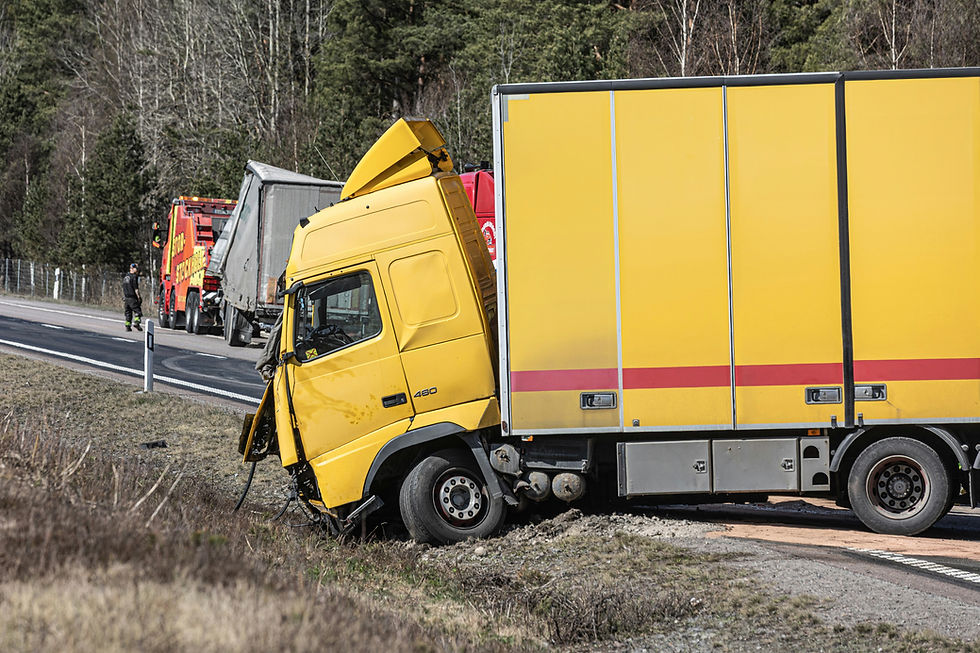
Salt Lake City, Utah, serves as a major transportation hub in the Intermountain West, with commercial trucks traveling daily along busy corridors such as I-15, I-80, and I-215. The city’s growing economy depends heavily on freight movement, connecting local businesses to regional and national markets. While this constant flow of commerce supports economic activity, it also increases the likelihood of serious collisions involving large commercial vehicles. For those injured in these incidents, the legal path forward can be far more complicated than many initially expect.
Unlike typical traffic accidents, trucking crashes often raise questions about industry regulations, corporate accountability, vehicle maintenance practices, and the handling of critical evidence. The stakes are frequently higher because the consequences can reach well beyond immediate medical bills and vehicle damage. In these situations, guidance from a Salt Lake City truck accident lawyer can help victims understand the unique legal issues that may shape their claim.
More Parties, More Pressure
Early review often sets the tone for everything that follows. Many injured people contact a truck accident lawyer after learning that a truck claim may include the operator, motor carrier, maintenance contractor, cargo company, broker, and separate insurers. That wider cast changes fault analysis, settlement posture, and document requests before meaningful negotiations even begin.
Federal Rules Change the Case
Commercial drivers and carriers operate under federal safety rules that private motorists never face. Those standards govern driving hours, rest periods, vehicle inspections, cargo securement, drug testing, and qualification files. A single violation can reshape liability arguments. Standard car cases usually turn on traffic laws, witness accounts, photographs, and repair bills, which creates a much narrower record than a trucking dispute usually presents.
Evidence Moves Faster
Truck cases demand immediate preservation efforts. Electronic logging data, dash camera footage, dispatch messages, inspection reports, and repair histories may vanish if counsel waits too long. Private car claims rarely involve that volume of technical material. Delay can damage an otherwise strong file before formal discovery begins, because key facts often reside within company systems that overwrite data during routine business operations.
Severity Changes Valuation
A loaded tractor-trailer can weigh many times more than a passenger car. That mass difference often produces traumatic brain injury, spinal cord damage, crushed limbs, internal bleeding, and prolonged rehabilitation. Damages rise with those losses. Future treatment costs, lost earning capacity, home modifications, and long-term pain care may require careful projection. At the same time, smaller crashes more often involve shorter recovery periods and fewer disputes over future needs.
Liability Is Wider
Corporate Fault Matters
An ordinary collision claim often centers on one careless driver. Truck litigation may examine hiring practices, training failures, unsafe delivery schedules, weak supervision, skipped inspections, or deferred brake work. Vicarious liability can place responsibility on the carrier even where the operator made the immediate mistake. Some cases also draw in a shipper, trailer owner, broker, or parts manufacturer, which broadens both strategy and exposure.
Insurance Tactics Are Different
Commercial policies usually carry higher limits than personal auto coverage. More extensive coverage invites faster, harder defense work. Insurers and carriers may send investigators within hours, collect statements early, inspect wreckage, and frame events before the injured side obtains medical records. Personal auto adjusters investigate as well, yet trucking defendants often act with greater urgency because their financial exposure can reach levels far beyond those of a routine collision claim.
Fault Disputes Grow Harder
Truck crashes often produce layered arguments over blame. Defense teams may point to road design, weather, cargo movement, mechanical failure, missing lighting, or another motorist’s conduct. In comparative fault states, even partial responsibility can reduce recovery. Ordinary car cases also involve shared blame at times, but trucking disputes usually spark broader debate over who controlled each hazard and whether company policies contributed to the outcome.
Experts Play a Bigger Role
Many truck claims require expert input early on. Accident reconstruction specialists, fleet safety consultants, life care planners, economists, and vocational analysts may help explain both causation and loss. Their opinions can clearly connect technical records to human injury. Without that support, an injured claimant may struggle against defenses built around logbooks, engine data, route schedules, inspection files, and company safety procedures.
Settlement Timing Often Shifts
A routine car claim may settle once treatment stabilizes and basic records are in. Truck cases often move more slowly because extra defendants, broader document review, and expert analysis create several added layers of scrutiny. Early offers may appear attractive, yet they may overlook future surgery costs, wage loss, or permanent functional limitations. Patience matters where serious injury or disputed corporate conduct remains unresolved.
Conclusion
Truck accident claims differ from standard car crash cases because the legal and financial issues expand at nearly every stage. More evidence requires preservation, more parties may share fault, and injuries often involve lasting physical impairment with expensive care needs. A sound case depends on fast action, disciplined review, and careful damage assessment. That approach helps injured people protect vital evidence, accurately measure loss, and respond to stronger defense pressure with credible facts.


