
How Your Roof Protects Your Home from Weather Damage
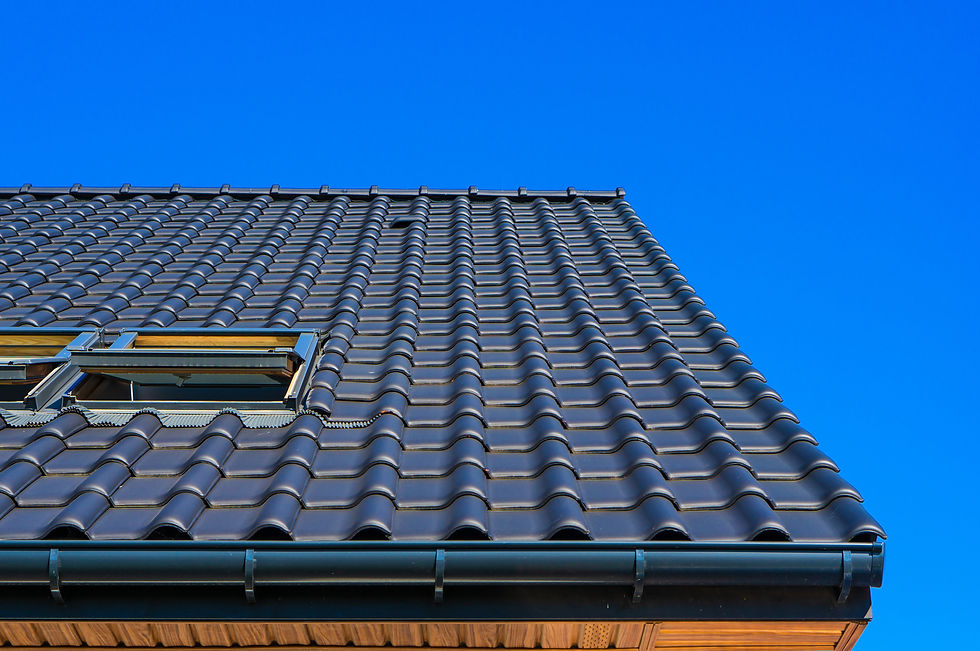
Your roof is your home's first line of defense against the weather.
Rain, snow, wind, hail, and sun all attack your roof daily. A strong roof keeps these elements outside where they belong. A weak roof lets them damage everything inside.
Understanding how your roof protects your home helps you maintain it properly. A trusted Residential Roofing Company Denver CO protects your home from weather damage by ensuring your roof remains strong, secure, and built to withstand the elements.
Let me explain how roofs defend against different weather conditions and what happens when they fail.
Protection Against Rain
How Roofs Keep Rain Out
Your roof has layers working together. Shingles form the outer barrier. Underlayment provides backup protection. Flashing seals vulnerable areas.
Water flows down the slope following gravity. Shingles overlap, so water can't flow backward underneath them. This keeps water moving away from your home.
Gutters collect water at the edges. Downspouts carry it away from your foundation. This system prevents water from pooling near your house.
When Rain Gets Through
Missing or damaged shingles create entry points. Water flows under the remaining shingles and soaks the underlayment.
Cracked flashing around chimneys and vents lets water seep in. These areas experience the most leaks. Clogged gutters overflow. Water backs up under shingles at the roof edge. This damages the wood underneath.
Signs of Rain Damage
Water stains on ceilings show active leaks. Brown or yellow spots mean water is getting through your roof. Attic dampness indicates roof problems. Check your attic after heavy rain. Wet insulation signals leaks.
Exterior wall stains below the roofline mean gutter problems. Water overflows and runs down your walls.
Defense Against Snow and Ice
Snow Load Challenges
Snow is heavy. Wet snow weighs even more. Your roof structure must support this weight without collapsing. Most roofs handle normal snowfall easily. Problems start when snow accumulates for weeks without melting.
Ice dams form when heat from your house melts snow. Water runs down and refreezes at the cold edge. Ice builds up, creating a dam.
Ice Dam Damage
Water backs up behind ice dams. It flows under shingles because it can't drain off the roof.
This water leaks into your attic and walls. Damage happens even with intact shingles.
Ice dams tear off gutters from their weight. Falling ice damages the property below.
Preventing Winter Problems
Proper attic insulation keeps your roof cold. This prevents snow from melting and creating ice dams.
Adequate ventilation helps too. Cold air flow under the roof keeps temperatures even.
Remove heavy snow accumulation. Use roof rakes from the ground. Never climb on snow-covered roofs.
Wind Resistance
How Wind Attacks Roofs
Wind pushes up under the shingles, trying to lift them. Strong winds peel shingles completely off.
Wind-driven rain forces water sideways under shingles. This gets past normal drainage systems.
Flying debris from storms impacts your roof. Branches, lawn furniture, and other objects create damage.
Shingle Attachment Matters
Properly installed shingles resist wind better. They're nailed in specific patterns with enough nails.
Old or poorly installed shingles blow off easily. Missing nails or wrong placement weakens the attachment.
Shingle edges curl up over time. Wind catches these edges and tears shingles loose.
Wind Damage Signs
Missing shingles are obvious. You see bare spots on your roof.
Lifted shingle edges show wind has loosened them. These will blow off in the next storm.
Granules in gutters mean shingle damage. Wind and weather wear away the protective granule coating.
Hail Impact Protection
What Hail Does to Roofs
Hail pounds your roof like thousands of hammers. Large hail creates visible dents and cracks.
Small hail causes less obvious damage. It bruises shingles by crushing the protective granules.
Metal roof components dent from hail. Vents, flashing, and gutters show impact marks.
Hidden Hail Damage
Shingles might look fine but be structurally compromised. Hail breaks the fiberglass mat inside shingles.
This damage shortens roof lifespan significantly. Shingles that should last 20 years might fail in 5.
Hail also damages the seal between shingle layers. This makes them vulnerable to wind damage later.
After Hail Storms
Inspect your roof after significant hail. Look for dents on metal surfaces like vents and flashing.
Check for cracked or missing shingles. Examine shingles closely for bruising and granule loss.
File insurance claims promptly. Most policies cover hail damage. Waiting too long can void coverage.
Sun and Heat Effects
UV Radiation Damage
Sunlight breaks down roofing materials over time. UV rays deteriorate shingles gradually.
This process happens slowly. You don't notice until shingles become brittle and crack.
Dark-colored roofs absorb more heat. This accelerates UV damage and aging.
Heat-Related Problems
Extreme heat makes shingles expand. When temperatures drop, they contract. This cycle creates stress.
Attic heat buildup affects shingle lifespan from below. Poor ventilation traps heat against your roof.
Thermal shock from rapid temperature changes cracks shingles. This happens especially in spring and fall.
Protecting Against Sun Damage
Light-colored roofing reflects more heat. This keeps your roof and home cooler.
Proper ventilation is crucial. Ridge vents and soffit vents allow hot air to escape.
Regular maintenance extends roof life. Replace damaged shingles before sun exposure worsens problems.
How Different Roof Types Perform
Asphalt Shingles
These are the most common residential roofing. They handle most weather reasonably well.
Quality varies significantly. Premium shingles last longer and resist the weather better than cheap ones.
Expect 15 to 30 years of life, depending on quality and climate. Harsh weather shortens this.
Metal Roofing
Metal roofs excel in most weather conditions. They shed snow and rain easily.
High winds don't affect properly installed metal roofs. They resist hail better than shingles.
Metal roofs last 40 to 70 years. Initial cost is higher but longevity makes them cost-effective.
Tile Roofing
Clay and concrete tiles are extremely durable. They handle sun, rain, and wind well.
Hail can crack tiles, though. Individual damaged tiles need replacement.
Tiles last 50+ years in good conditions. Weight requiresa strong roof structure.
Flat or Low-Slope Roofs
These roofs drain slowly. Water pooling is the biggest concern.
Membrane materials provide waterproofing. These need careful maintenance to prevent leaks.
Regular inspections are essential. Small problems become major leaks quickly on flat roofs.
Roof Components That Matter
Underlayment
This layer sits under your shingles. It's waterproof backup protection.
Quality underlayment prevents leaks even when shingles fail. Cheap underlayment deteriorates quickly.
Synthetic underlayment outperforms traditional felt paper. It costs more but lasts much longer.
Flashing
Metal flashing seals roof penetrations and transitions. It prevents water entry at vulnerable spots.
Properly installed flashing is crucial. Most leaks happen at flashing locations.
Flashing around chimneys, vents, and valleys needs regular inspection. Cracks or separation cause leaks.
Ventilation Systems
Attic ventilation extends roof life. It prevents heat and moisture buildup.
Ridge vents at the peak work with soffit vents at the eaves. This creates air flow.
Poor ventilation causes premature roof failure. Heat and moisture damage materials from the inside.
Maintenance Prevents Weather Damage
Regular Inspections
Check your roof twice yearly. Spring and fall are ideal times.
Look for missing, cracked, or curled shingles. Examine flashing for damage or separation.
Clean gutters during inspections. Clogged gutters cause water backup and roof damage.
Tree Management
Trim branches hanging over your roof. Falling branches cause major damage.
Leaves and debris from trees clog gutters and hold moisture against your roof.
Tree roots can damage your foundation. This indirectly affects your entire home structure.
Professional Maintenance
Hire roofing professionals for thorough inspections. They spot problems you might miss.
Professional cleaning removes algae and moss. These organisms damage shingles over time.
Small repairs prevent bigger problems. Fixing a few shingles is cheaper than replacing entire sections.
When to Replace Your Roof
Age Considerations
Asphalt shingle roofs need replacement after 20 to 25 years on average. Weather exposure affects this timeline.
Missing granules on many shingles signal the end of roof life. The protective layer is gone.
Multiple leaks mean widespread failure. Repairs become more expensive than replacement.
Storm Damage Assessment
Severe weather can shorten roof life dramatically. Major hail or wind damage might require full replacement.
Insurance often covers weather-related replacement. Document damage with photos for claims.
Get multiple professional opinions after major storms. Some damage isn't immediately obvious.
Signs of Failure
Sagging roof sections indicate structural problems. This requires immediate professional attention.
Daylight visible through roof boards means serious deterioration. Water definitely gets through these holes.
Widespread water damage inside your home means your roof is failing. Don't delay replacement.
Protecting Your Investment
Your roof is expensive to replace. Typical costs range from $5,000 to $15,000 or more.
Proper maintenance extends roof life significantly. A well-maintained roof lasts years longer than a neglected one.
Weather damage prevention saves money. Small repairs prevent costly water damage to your home's interior.
Regular inspections catch problems early. Early detection means cheaper fixes.
Your roof protects everything inside your home. It's worth the time and money to maintain it properly.
Don't ignore warning signs. Small leaks can cause major damage quickly.
The weather constantly attacks your roof. Give it the attention it needs to keep protecting your home and family.


