
Inside Musashi Energy: What's in the Can and Does It Work?
- Aug 4
- 4 min read

Power drinks can be found everywhere, but not all of them are built the same way. As a brand that has been part of Australia’s sports nutrition since 1987, Musashi has formulated their drinks specifically for athletes and active people rather than as a generic caffeine hit. By combining caffeine, B-vitamins, and beta-alanine in a sugar-free formulation, they have created a product that can help reduce tiredness and fatigue and support normal energy metabolism. So, what actually goes into a can, what it does, and how to use it?
What Sets Musashi Apart?

Most commercial stimulant drinks are built the same way: a large amount of sugar and caffeine meant to give you a quick hit of stimulation, followed by an inevitable crash after an hour or two. Musashi has taken a different approach - a zero-sugar formulation made up of a blend of caffeine, B-vitamins, and beta-alanine aimed to assist in reducing fatigue while optimising the body’s normal energy metabolism. Unlike other formulations, which only spike your blood sugar, the ingredients in Musashi’s energy drinks are meant to support sustained performance. Designed as pre-workout energy drinks, they can help athletes who seek functional energy boosts for training and competition, rather than a sugary servo grab-and-go.
What makes these drinks stand out at the Australia energy drink market is the specific combination of amino acids, beta-alanine, B vitamins and caffeine working together, not just caffeine on its own, to support performance, recovery and focus.
The Ingredients Breakdown
Here are the active components behind the scenes in each can:
Caffeine (160 mg per serve) - this is basically equivalent to one cup of strong coffee. It’s the component primarily responsible for alertness and energy boost; it works within 20 minutes and usually lasts 2-3 hours.
Taurine - an amino acid used widely in energy drinks because of its beneficial effect on exercise performance, cognitive function, and cardiovascular function.
Beta-Alanine - a favourite among strength and endurance athletes, this amino acid is associated with increased tolerance to lactic acid accumulation.
B-vitamins - these vitamins provide support for normal energy metabolism, helping your cells convert food into usable energy more efficiently.
Zero sugar - sweetened without any of the side effects associated with regular energy drinks.
Variety of flavours - The range spans Lemonade, Green Apple, Blue Raspberry, Fruit Crush, Purple Grape, Watermelon, Mango, and Pineapple, so you can try something different and don’t get sick of the same taste week after week.
This is a minimalistic combination of ingredients compared to many other servo energy drinks, with each component chosen to serve a specific performance purpose.
Possible Advantages
Used wisely, these are some advantages you may see:
Lower levels of fatigue: the blend of caffeine and B-vitamins is designed to fight off the “I do not feel like it” state prior to exercise.
Enhanced concentration: caffeine is a powerful stimulant that helps enhance mental focus, meaning that you will be able to concentrate on lifting, running, or doing whatever your sport demands.
Prolonged muscle endurance: the main reputation of beta-alanine is associated with high-intensity, repeated-effort activities (think circuits, HIIT, or middle-distance running) where that buffering effect can help you squeeze out a few more quality reps or metres.
No sugar crash – because there is no sugar in the drink, you will not face an energy crash during exercising as it happens with conventional energy drinks.
What needs to be noted: as with other supplements, the energy drinks are meant to be performance enhancers. They cannot replace sleep, nutrition, or training.
When and How to Use It
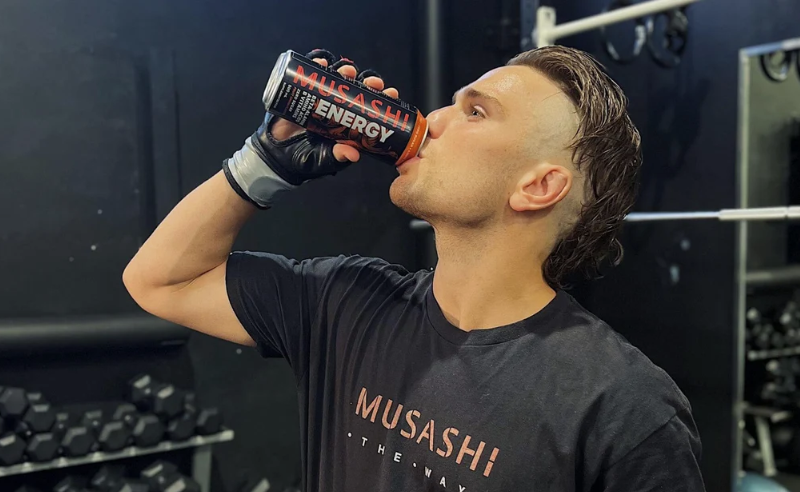
Most people experience the benefits by consuming a can 20-30 minutes prior to training, allowing enough time for the caffeine to take effect once your workout begins. For competition or intense training sessions, it makes sense to plan the timing so the peak effect (typically 2-3 hours after consumption) happens during your performance period.
Don't go for one late in the day, since caffeine has a long half-life of a few hours; consuming the drink in the afternoon or evening could leave you tossing and turning in the middle of the night, completely defeating the point since most of your recovery depends on sleep.
Things to Watch Out for
A few sensible guardrails:
Be mindful of your total caffeine intake since each can contains 160mg of caffeine. If you’re also consuming other caffeinated drinks like coffee, pre-workout, etc., that amount can get quite high. Health experts normally recommend having about one can per day.
Caffeine can be addicting. Although energy drinks are not generally classified as an addictive substance, regular caffeine consumption could result in tolerance and withdrawal symptoms such as headaches, tiredness, and irritability if you suddenly stop consuming it.
Sugar-free does not necessarily mean harmless. Artificial sweeteners are considered harmless to most individuals; however, it is important to take note of any possible adverse effects they might have on your digestion if you are sensitive to them.
Be wary of your sleeping habits. Avoid making your pre-workout routine cause sleep issues.
Each person has a different tolerance level. Age, body size, pre-existing conditions, and caffeine tolerance will affect the reaction to caffeine intake; so, start with less than a full can if you're not a regular caffeine user.
The Bottom Line
Musashi's energy drinks aren’t reinventing the wheel, but they make good choices if you're seeking out an energy drink that was engineered with your training sessions in mind. The zero-sugar, performance-ingredient approach makes sense if you train regularly and don't want to get into that traditional cycle of sugar rush, crash and burn. Just keep in mind that it is still a stimulant, after all.


