
Investing in Elegance: The Lasting Value of Antique Jewellery
Updated: Apr 21
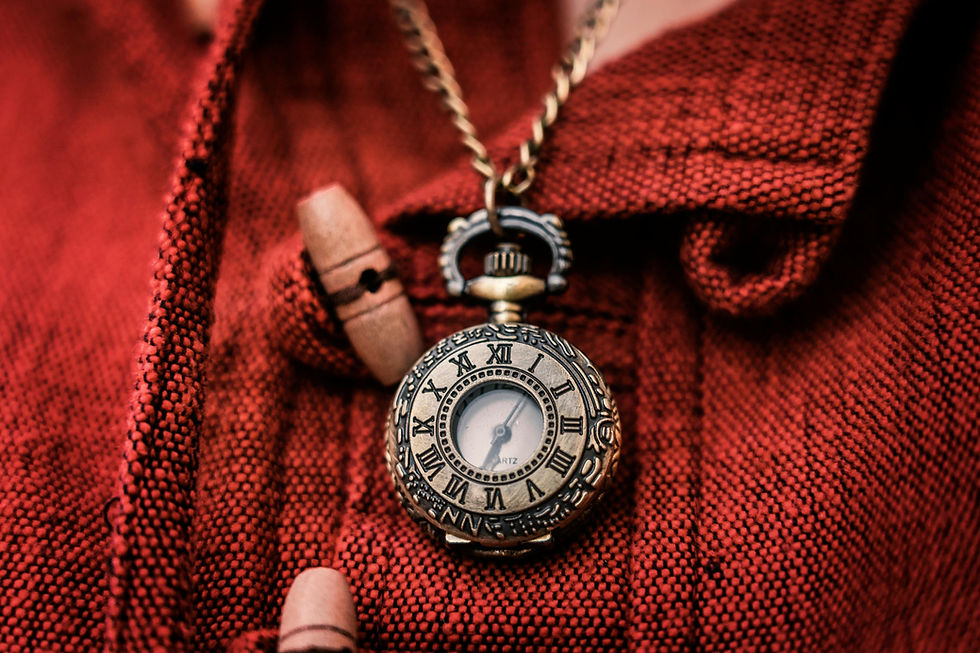
You know that feeling when you open your jewellery box, and everything inside starts to blur together, even the pieces that once felt like a careful choice. It is not regret exactly. More like a pause where nothing really stands out the way it should.
In places like Sydney, this shift has been easier to notice. The fashion scene moves quickly, but jewellery seems to be treated with a bit more restraint. People look, compare, and think about it longer than they admit. Antique pieces have been coming back into view, not loudly, just slowly, as if they were always part of the mix. They carry something that newer pieces try to replicate, though it does not always land the same way.
What Makes Antique Jewellery Hold Its Ground
Antique jewellery does not move with trends in the usual sense. It was made under different conditions, and that difference shows up in ways that are not always easy to point out. Some pieces feel slightly uneven when examined closely. Not flawed, just less controlled.
Materials behave differently too. Older metals, older cuts of stones, they reflect light in a way that feels softer or maybe just less sharp. It is not always better, but it is noticeable. Something about it feels settled, even if that sounds vague.
Value gets mentioned often, but not always in a clear way. It is not only about price. A piece that has lasted decades does not really need to prove anything anymore. It just stays where it is. That seems to matter, even if it is not always explained.
Why People Still Invest in Antique Jewellery
People today still invest in timeless jewellery pieces, but there’s a lot of uncertainty around where to find actual antique pieces. If you’re planning to shop antique jewellery in Sydney, you’ll find beautiful pieces if you look at the right places. Finding antiques does not follow a simple pattern. It is not like walking into a store and picking something from a display. Pieces are not consistent. Some appear briefly, some sit longer, but there is no clear rhythm.
Labels are not always accurate. The difference between antique, vintage, or something reproduced can get blurred, especially for someone not used to looking closely. That uncertainty tends to make people hesitate.
Value That Does Not Rely on Trends
Modern jewellery tends to follow what is current. Styles shift, sometimes quickly, and what feels right now might not feel the same later. Antique jewellery does not really adjust like that. It stays where it is, more or less.
That does not mean every piece holds or grows in value. That idea comes up often, maybe too often. Still, there is usually some baseline that does not drop off suddenly. The work has already been done, the design finished, so it sits differently in the market.
There is also something quieter that builds over time. A piece that keeps being worn, without much thought, starts to feel like it belongs. Not in an obvious way. It just fits into daily use, and that consistency starts to matter more than expected. Or at least, it seems to.
The Role of Craftsmanship in Long-Term Worth
Older jewellery was made without the tools that are standard now. That meant more time was involved, sometimes more trial and error. Details were shaped slowly. Adjustments took effort.
This shows up in durability, though not always perfectly. Antique pieces, when maintained, tend to hold together well. Repairs can be done without changing the overall structure too much, which is not always the case with newer designs. Some modern pieces are harder to fix once something goes wrong.
There is also a shift in how ownership feels. Wearing something that has already existed for decades changes the sense of it. It does not feel temporary, even if that was never the intention behind it. It just carries forward.
Changing Buying Habits and What They Reveal
Buying habits have shifted, though it is not always clear in one direction. People hesitate more now. They compare, check, wait, sometimes longer than needed. It can turn into overthinking, but it also shows a kind of caution that was not as common before.
Antique jewellery fits into this in a quiet way. It already carries a past, so the need to replace it again and again feels less necessary. Some buyers move toward fewer pieces that stay relevant longer. Not always intentionally, but it happens.
Work routines have also changed how jewellery is worn. Pieces need to move across settings without standing out too much. Antique designs often manage that without trying. They just work, or at least they tend to.
The Quiet Discipline of Choosing Well
Choosing antique jewellery does not follow a clear path. It takes time, and sometimes the process feels slower than it should. There is a tendency to want a quick answer, something that confirms the choice immediately. That rarely happens. A piece might seem right at first, then feel different later. Or the other way around. It is not always clear why, and that uncertainty can be uncomfortable.
Stepping back helps, even if it feels unnecessary. Looking again later, without the first impression, changes things slightly. Not always enough to explain, but enough to notice. The slower pace reduces mistakes, though it does not always feel efficient while it is happening.
When Jewellery Becomes More Than an Object
At some point, antique jewellery shifts in how it is seen. It stops being just something worn and starts to carry something else. That change is gradual, and it does not happen with every piece. There is a difference between having something and feeling responsible for it. Antique pieces often move into that space. They are handled differently, stored with more care, even if nothing about them has changed physically.
Over time, the idea of value becomes less tied to resale. It moves somewhere else, not always easy to describe. The piece remains, even as other things change or get replaced. The idea of investing in elegance sounds simple on the surface. In practice, it does not follow a straight line. Antique jewellery does not compete for attention. It stays consistent, and that consistency, over time, tends to matter more than expected. Or at least, it often does.


